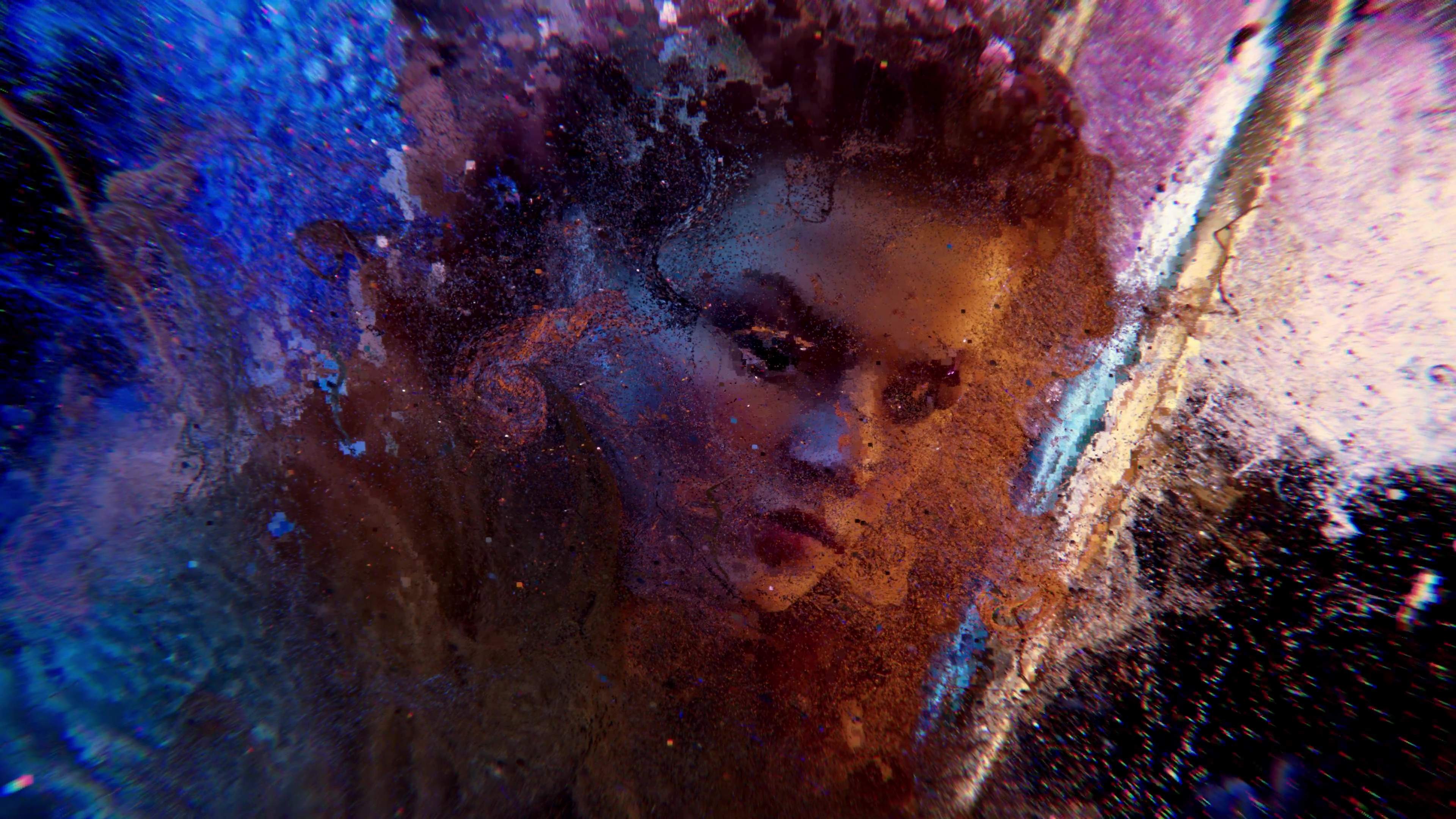
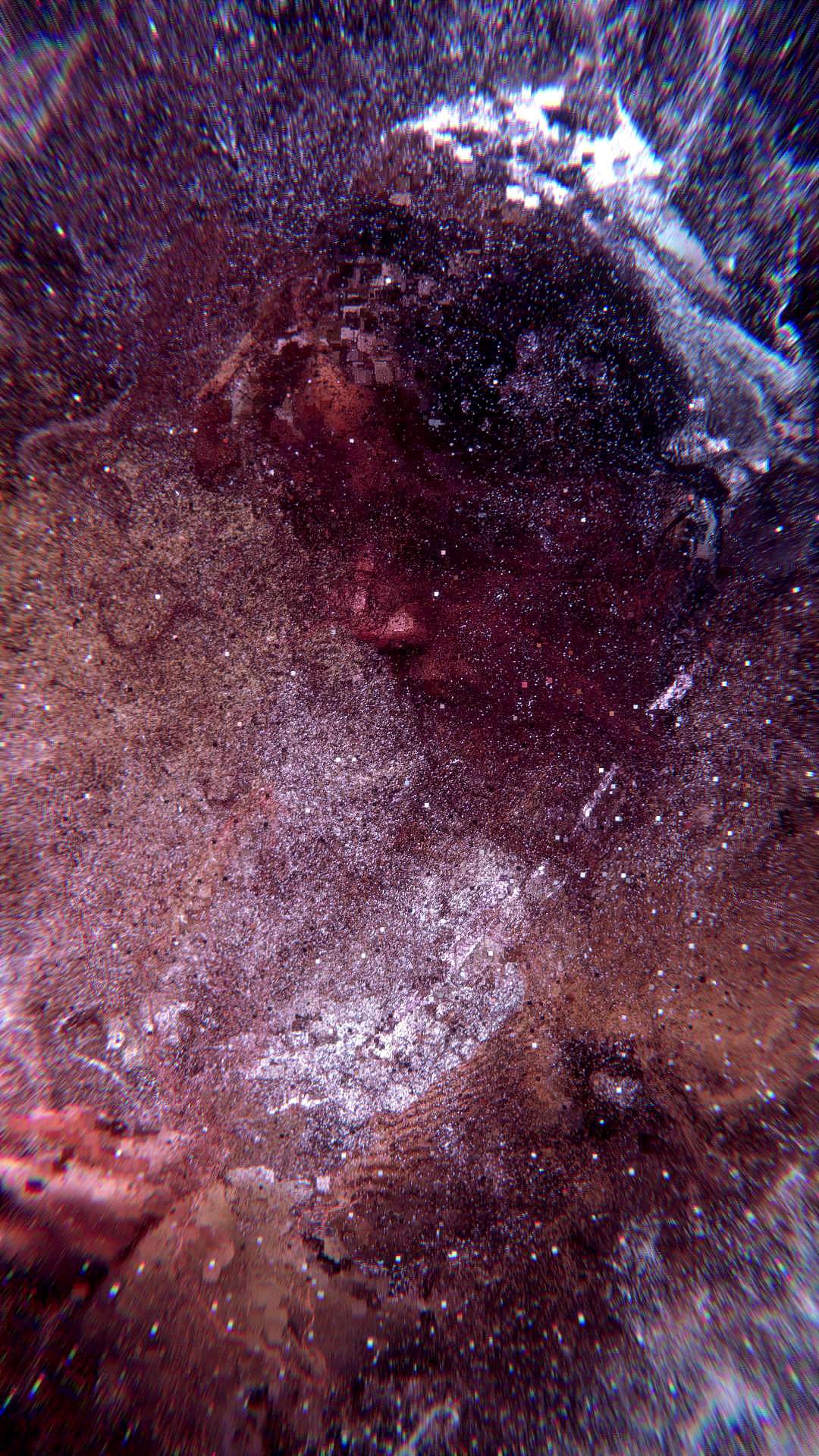
The Latent City The Latent City
The Latent City
What the City Leaves Within Us What the City Leaves Within Us
What the City Leaves Within Us
The Drift The Drift
The Drift
Ghost in the Machine Ghost in the Machine
Ghost in the Machine
The Shining The Shining
The Shining
The Last Call The Last Call
The Last Call
Mare Nostrum Mare Nostrum
Mare Nostrum
Mare Nostrum II Mare Nostrum II
Mare Nostrum II
In the Orbit of Solaris In the Orbit of Solaris
In the Orbit of Solaris
s͘͡u̕͡b͏w̨̡a͘͢y͢͞_͠v͏̶o̡͜x̷͟e͡l͘͘.WiP s͘͡u̕͡b͏w̨̡a͘͢y͢͞_͠v͏̶o̡͜x̷͟e͡l͘͘.WiP
s͘͡u̕͡b͏w̨̡a͘͢y͢͞_͠v͏̶o̡͜x̷͟e͡l͘͘.WiP
Shinjuku Meltdown Shinjuku Meltdown
Shinjuku Meltdown
L'Horloge L'Horloge
L'Horloge
Alètheia Alètheia
Alètheia
Anamnésis Anamnésis
Anamnésis
Cleo Varga Cleo Varga
Cleo Varga
Mira Halden Mira Halden
Mira Halden
Vera Riels Vera Riels
Vera Riels
Lisa Claire Belmont Lisa Claire Belmont
Lisa Claire Belmont
Magda Ellstern Magda Ellstern
Magda Ellstern
The Twin Brothers The Twin Brothers
The Twin Brothers
Henri Darcène & Solange Vernay Henri Darcène & Solange Vernay
Henri Darcène & Solange Vernay
Last Moments of a City Last Moments of a City
Last Moments of a City
The Magnetic Fields The Magnetic Fields
The Magnetic Fields
Nocturnal Painting Nocturnal Painting
Nocturnal Painting
Passages: Ideal Passages: Ideal
Passages: Ideal
Passages: Spleen Passages: Spleen
Passages: Spleen
Passages: Inferno Passages: Inferno
Passages: Inferno
Memory of Brittany No.1 Memory of Brittany No.1
Memory of Brittany No.1
Memory of Brittany No.2 Memory of Brittany No.2
Memory of Brittany No.2
Memory of Brittany No.3 Memory of Brittany No.3
Memory of Brittany No.3
Memories of an Exhibition Memories of an Exhibition
Memories of an Exhibition
Studies of Artificial Landscapes Studies of Artificial Landscapes
Studies of Artificial Landscapes
The Awakening The Awakening
The Awakening
Unexpected Memory from Kyoto Unexpected Memory from Kyoto
Unexpected Memory from Kyoto
Memory of Turner No.1 Memory of Turner No.1
Memory of Turner No.1
Memory of Turner No.2 Memory of Turner No.2
Memory of Turner No.2
Memory of Turner No.3 Memory of Turner No.3
Memory of Turner No.3
Collective Memories Collective Memories
Collective Memories
Imaginary Landscape No.3 Imaginary Landscape No.3
Imaginary Landscape No.3
Imaginary Landscape No.5 Imaginary Landscape No.5
Imaginary Landscape No.5
Imaginary Landscape No.6 Imaginary Landscape No.6
Imaginary Landscape No.6
Imaginary Landscape No.7 Imaginary Landscape No.7
Imaginary Landscape No.7
Imaginary Landscape No.8 Imaginary Landscape No.8
Imaginary Landscape No.8
The Weight of the Memory The Weight of the Memory
The Weight of the Memory
Paris Wandering Paris Wandering
Paris Wandering
Shared Memories Shared Memories
Shared Memories
Brainstorm Brainstorm
Brainstorm

Benjamin Bardou (b. 1981) is a French artist whose work explores the intersection of memory, the city, and digital technologies.

With a background in visual arts and experience in the field of visual effects, he has developed a distinctive body of work at the crossroads of cinema, painting, and artificial intelligence.

Through projects like Megalopolis, Memories of an Exhibition and The Flow, he investigates the persistence of images in human consciousness and the layered memories embedded in urban spaces.

Using techniques such as point clouds, volumetric video, and AI-generated imagery, Bardou creates immersive fictions that unfold like waking dreams.

He has collaborated with artists such as Ridley Scott, Liam Wong, and Ikumi Nakamura, and has also worked with companies like Apple, Meta and Microsoft.

His work has been exhibited in museums, galleries, and festivals both in France and internationally.

Selected exhibitions

Shinjuku District - Tokyo, Japan

Motion + Design - Tokyo, Japan

K Museum of Contemporary Art - Seoul, South Korea

Galerie A+E - Paris, France

Galerie Data - Paris, France

Palace Le Bristol - Paris, France

Game Video/Art. A Survey - Milan, Italy

Festival of Endless Gratitude - Copenhaguen, Denmark

Collectif Jeune Cinéma - Paris, France

Busan International Short Film Festival - Busan, South Korea

FILE Machinima - São Paulo, Brazil

Centro das Artes Casa das Mudas - Madeira, Portugal

Charles Allis + Villa Terrace Museums - Milwaukee, USA

Motion Motion - Nantes, France

NFT Factory - Paris, France

Galerie Fauve - Paris, France

Available for freelance, commissions and collaborations. For business enquiries, licensing, speaking opportunities, please contact:

Email: benjaminbardou@gmail.com

Instagram: https://www.instagram.com/benjaminbardou/

X: https://x.com/benjaminbardou

Benjamin Bardou portrait
The Latent City
20251 minute 40 secondsAI, pointclouds, volumetric video, 3DGS

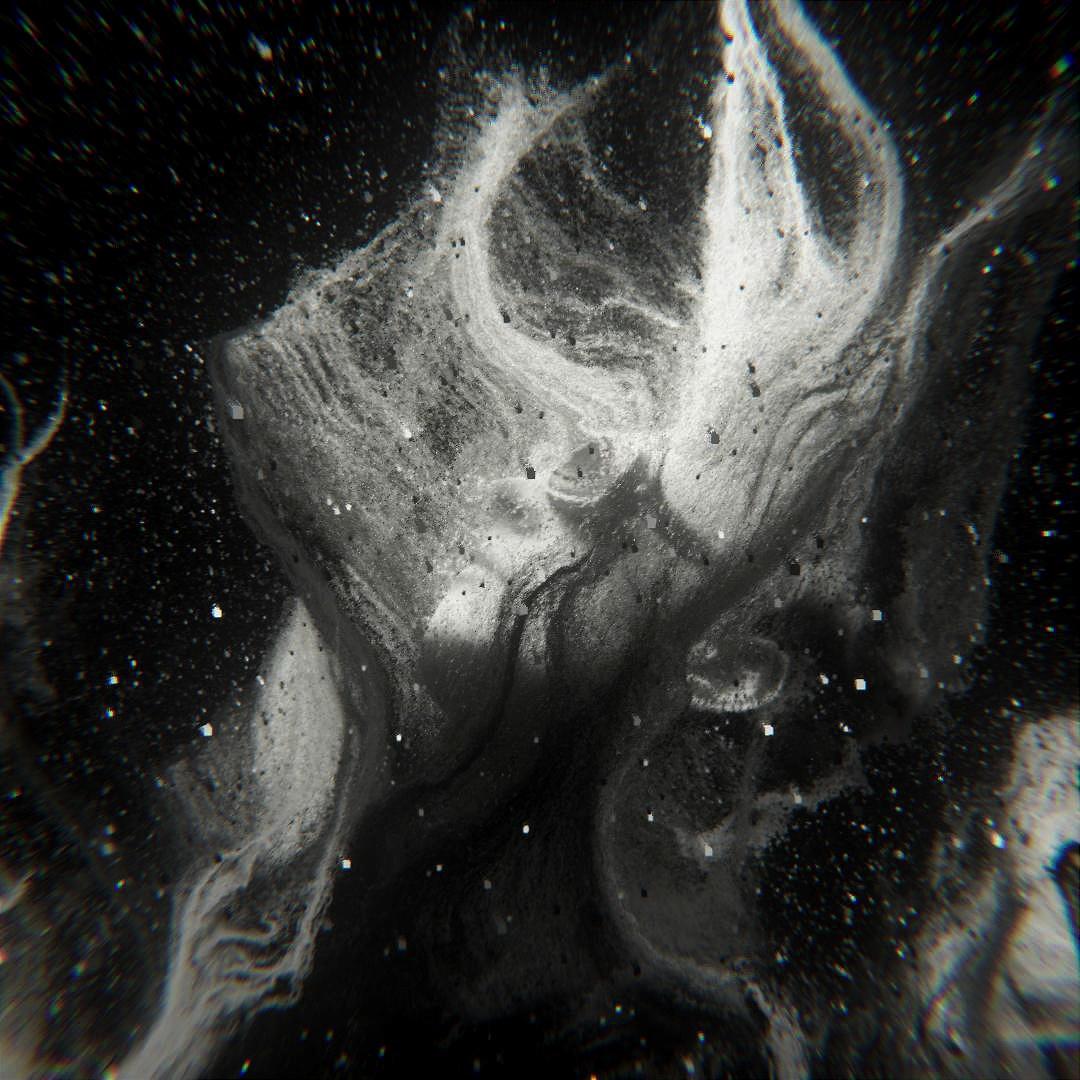
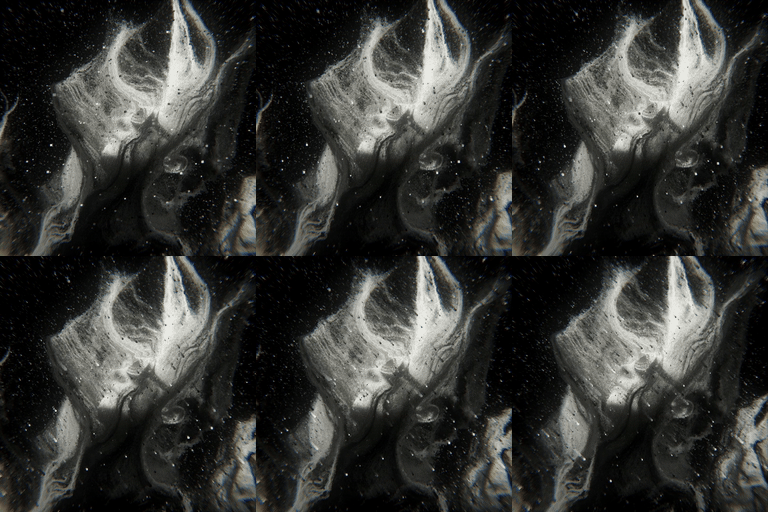
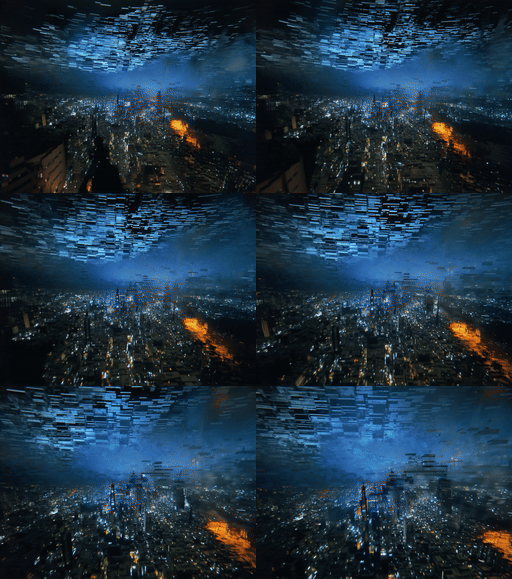
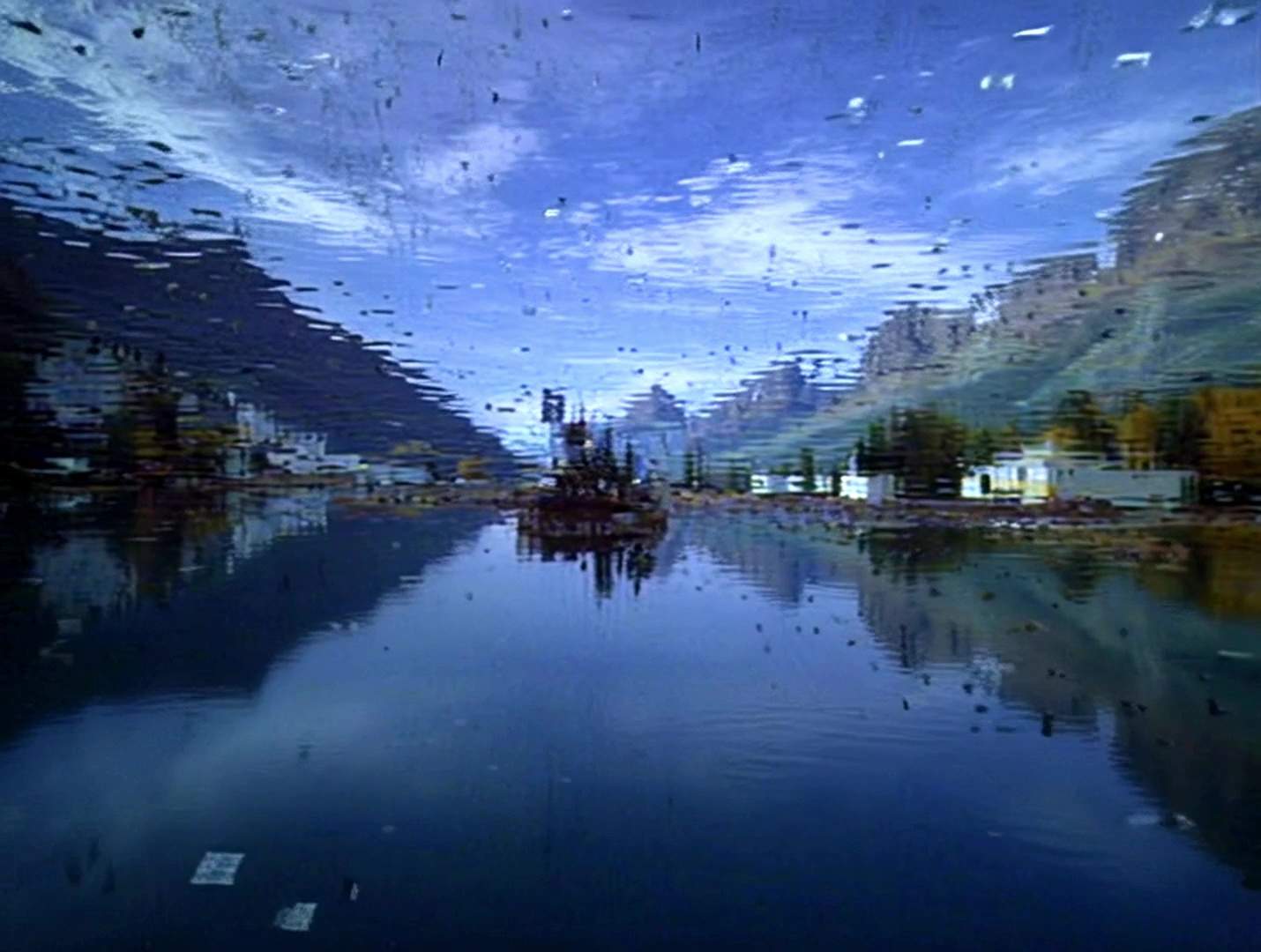
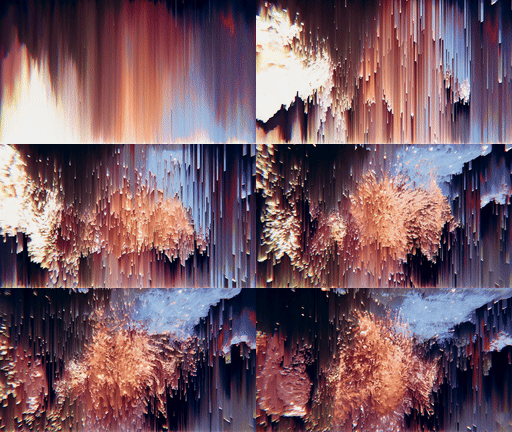
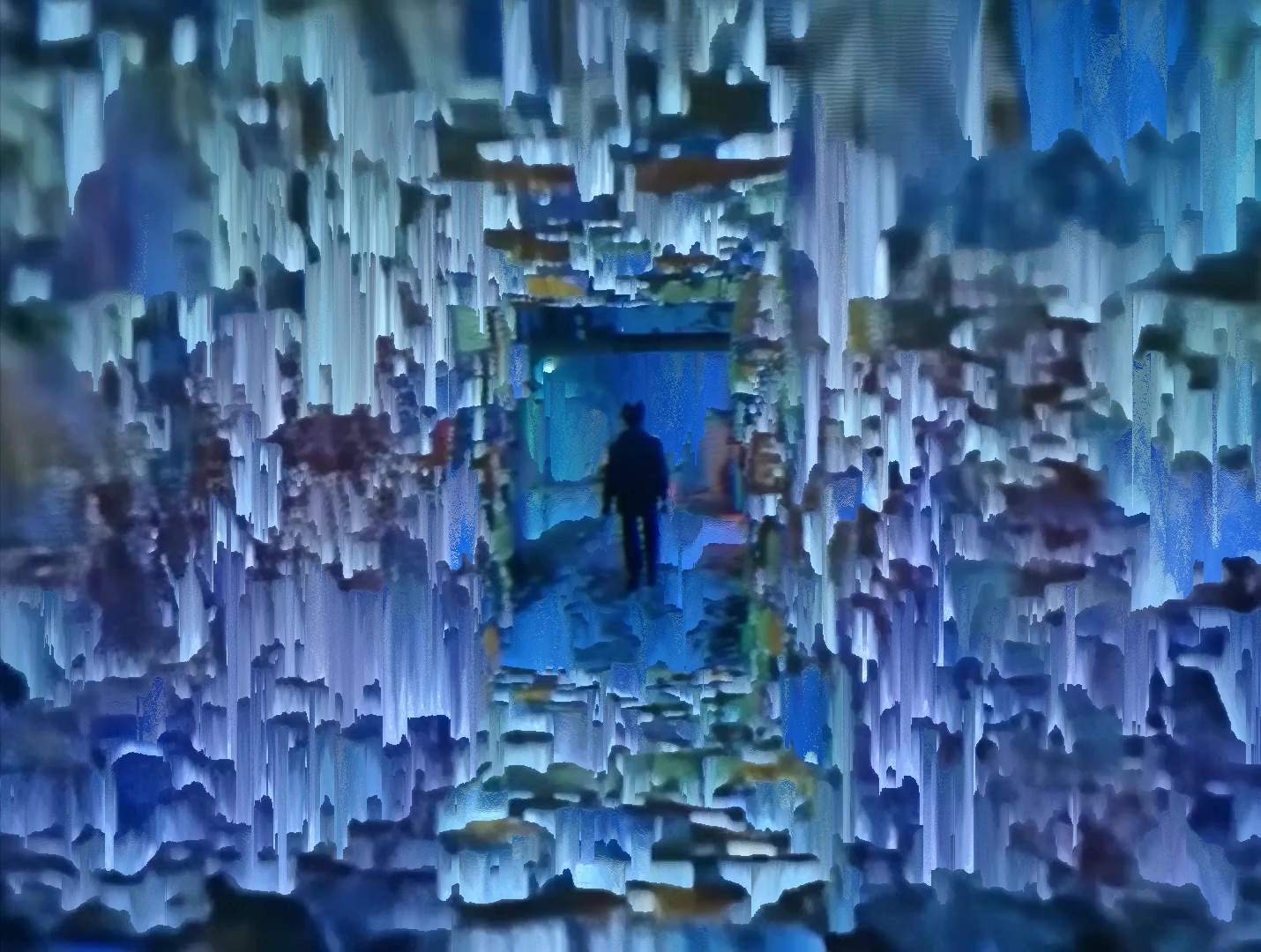
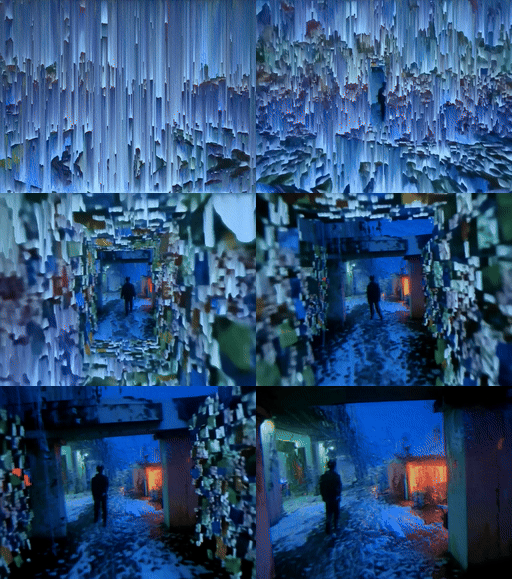
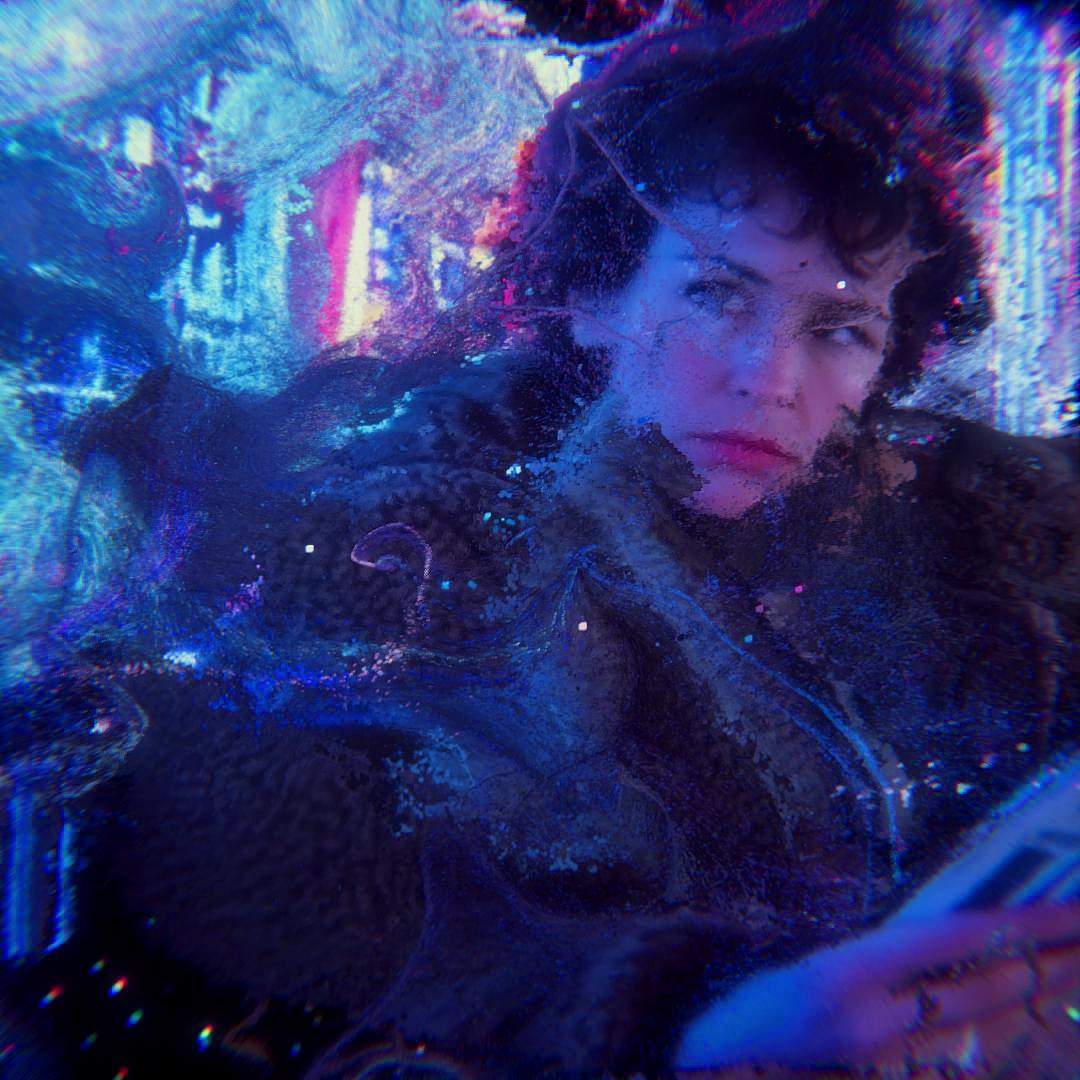
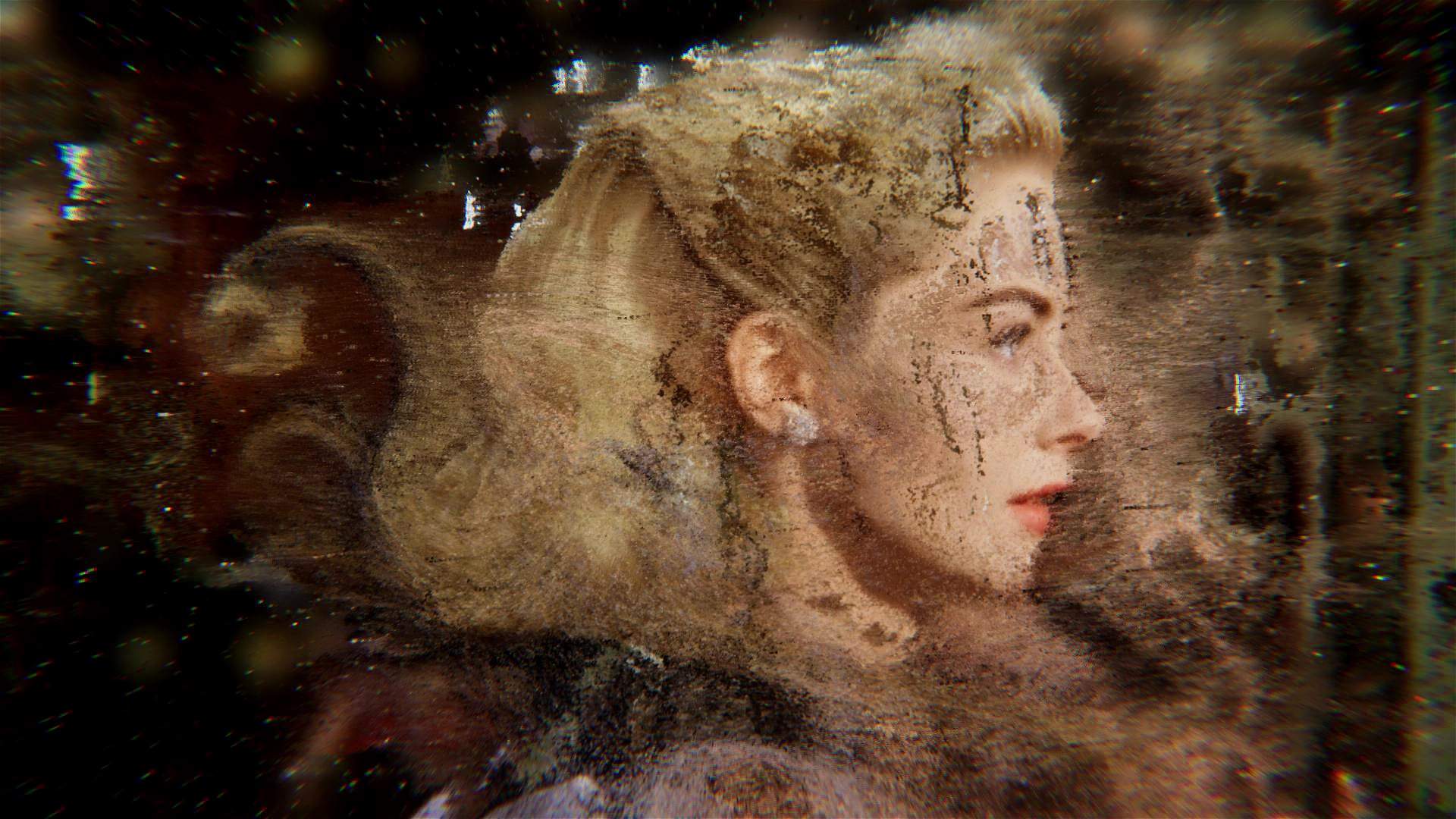
Exploring the thresholds that structure our cities — those zones where the flow of consciousness weaves itself between personal memory, shared images, and drifting imagination.

Artificial imagination becomes the binding force of this material, as if we were gliding through a shifting fabric of images, sounds, and thoughts.

The ambition here is to embrace the flux that moves through us.

Tech: locally trained model on my own artworks + point clouds + gaussian splats + volumetric video + voices from Pierrot le Fou by JLG

Series

The Flow

The Latent City The Latent City The Latent City The Latent City The Latent City The Latent City
What the City Leaves Within Us
20251 minute 25 secondspointclouds

What the City Leaves Within Us // part of The Flow: a study on the stream of consciousness

Memory is never a fixed image. It never exists alone: it calls forth another image, another place, another moment. It operates like a force — returning, shifting, transforming.

What we call “remembering” is not direct access to the past, but a probabilistic reconstruction, a reconfiguration of fragments that have survived.

Thus, a place to which we have returned a thousand times no longer exists as a single point in space.

It becomes a node within an invisible geometry of affects.

The past resurfaces not because it has been preserved intact, but because it finds, in the present, a resonance that reactivates it.

A perpetual movement between what was, what might have been, and what continues to act.

It is not the fidelity of memory that matters, but the relations between these fragments that continue to live within us.

Benjamin Bardou

Series

The Flow

What the City Leaves Within Us What the City Leaves Within Us What the City Leaves Within Us What the City Leaves Within Us What the City Leaves Within Us What the City Leaves Within Us
The Drift
202552 secondspointclouds

One day, we will create memories to drift away. // part of the Megalopolis project: a study on the stream of

Series

The Flow

The Drift The Drift The Drift The Drift
Ghost in the Machine
20251 minute 18 secondsAI, pointclouds, volumetric video, 3DGS

What I seek through artificial imagination is a form that breathes — the opposite of the closed, mechanical, and saturated forms of today’s images.

An organic rhythm, where thought flows like an underground current through the city, connecting distant zones: a childhood memory, a street, a dream, an image of war.

To explore the latent space is to explore the way the world moves through us. It is not about telling a story, but about letting things emerge.

Each sequence then becomes a threshold: between the outside and the inside, between what once was and what is still being thought. Each image becomes a fragment of thought: a reminiscence, a flash, a hesitation.

It is no longer the narrative that governs the montage, but the way images recall one another — as memories do. This flow is discontinuous, porous, sometimes pierced by intrusions of the real — a sound, a light, a face — that reignite thought.

The latent space acts as an expanded memory — a topography of the collective imagination. It is a place without fixed coordinates, without edges, without hierarchy, where the images of the past, the present, and the possible overlap.

Artificial imagination thus becomes an instrument of drift — a kind of second consciousness that dreams from our traces.

*** TECH: locally trained model on my own artworks + point clouds + gaussian splats + volumetric video

Series

The Flow

Ghost in the Machine Ghost in the Machine Ghost in the Machine Ghost in the Machine Ghost in the Machine Ghost in the Machine Ghost in the Machine Ghost in the Machine
The Shining
20251 minuteAI, pointclouds, volumetric video, 3DGS

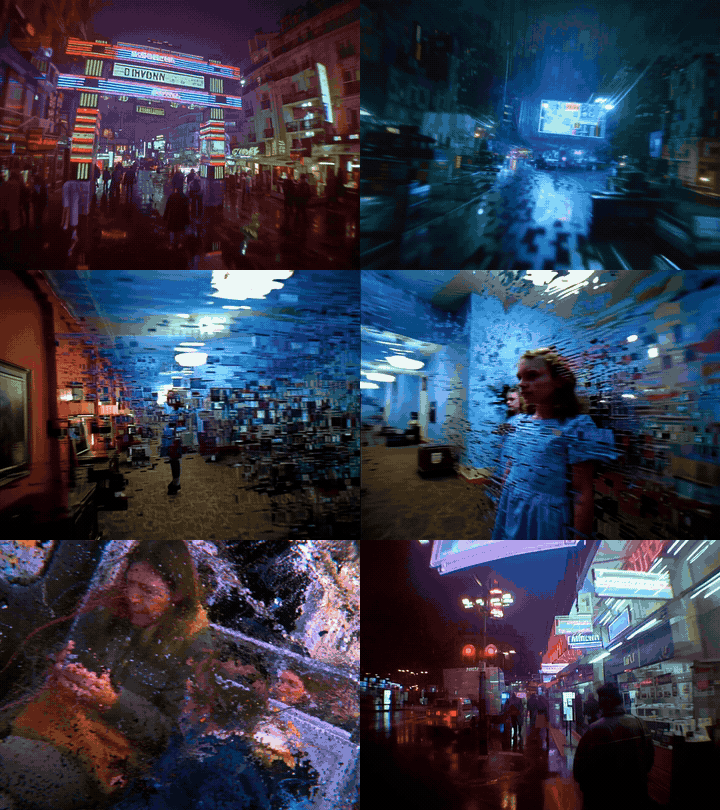
Exploring the latent space of The Shining is to approach the film as one approaches a memory.

Here, artificial intelligence acts as a second consciousness: it does not reproduce — it remembers. It reconstructs The Shining from its traces, its echoes, from what has survived the narrative.

The latent space becomes a mental territory, an inner Overlook where the ghosts of the image, the logic of dreams, and the mechanisms of visual memory unfold once again.

The aim is to turn the exploration of the latent space into a mnemonic experience of cinema itself.

Series

The Flow

The Shining The Shining The Shining The Shining The Shining The Shining
The Last Call
2025volumetric video

The blinding light of the present time // The Flow: a study on the stream of consciousness

Series

The Flow

The Last Call The Last Call The Last Call The Last Call
Mare Nostrum
202535 secondsAI, pointclouds, volumetric video, 3DGS

An experiment with a model trained on my own images.

"An image is not strong because it is brutal or fantastic – but because the association of ideas is distant and right," said Pierre Reverdy.

The aim here is to explore the latent space by following this method: connecting its most distant points, in order to trace lines of tension between them that reveal the figure of a constellation.

Series

The Flow

Mare Nostrum Mare Nostrum Mare Nostrum Mare Nostrum Mare Nostrum Mare Nostrum
Mare Nostrum II
202555 secondsAI, pointclouds, volumetric video, 3DGS

In the latent space, images lie dormant. These images, figured as isolated points, seem fragmentary; yet when connected, a form emerges—like the ancient constellations once traced across the night sky.

This project seeks to explore that logic: to wander through the latent space, selecting distant points and linking them by a path. The line is never neutral: it generates movement, tension, an image in the making. In this way, a cartography of time takes shape, where each point is a fragment of memory and each connection an attempt to give meaning to what traverses us.

It is not about amassing images, but orchestrating their relations. Like the cartographers of old, who invented worlds by linking faraway lands, we trace here the constellations of an inner and collective space—made visible through artificial imagination.

Series

The Flow

Mare Nostrum II Mare Nostrum II Mare Nostrum II Mare Nostrum II Mare Nostrum II Mare Nostrum II
In the Orbit of Solaris
202550 secondsAI, 3DGS

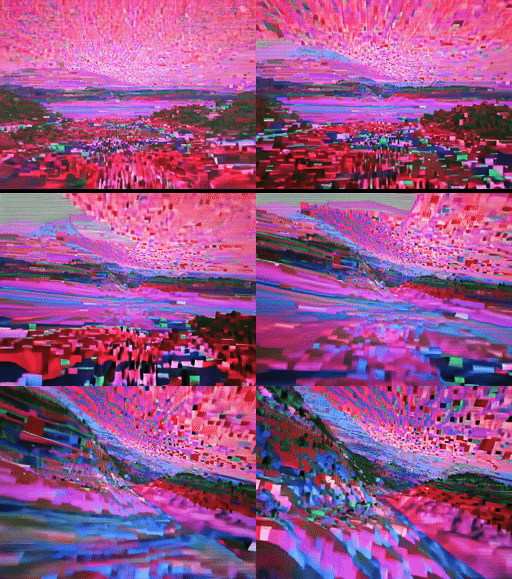
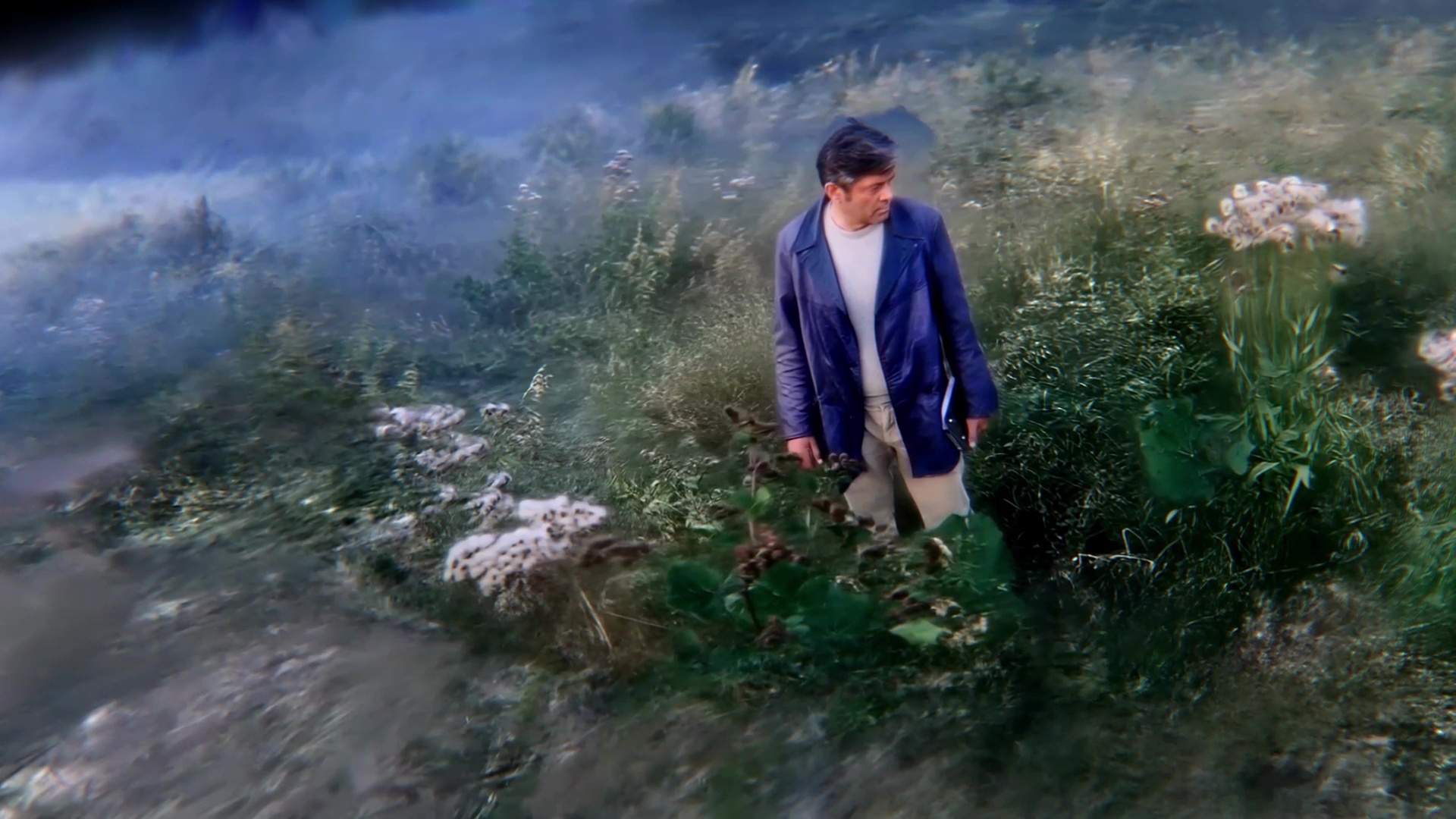
In the Orbit of Solaris – A gaussian splat reconstruction of a scene from Tarkovsky’s masterpiece

The way images emerge, take shape, and impose themselves upon us is something that deeply fascinates me. I never truly know what I am looking for, but when, within the endless flow of generated images, one suddenly seizes me, I recognize that I have found something new. It is a strange experience, as if I had not created the image myself, but merely revealed it—bringing it into presence within our temporality.

For several years, I have been developing a research practice around memory, the city, and the digital image. Working with point clouds and latent spaces, I compose forms that are neither entirely realistic nor purely imaginary.

What interests me is the possibility of making visible what usually acts in secret—those layers of images and memories that structure our perception of the world just as invisible matter structures the universe. Here, reality appears as a field of interference, a superposition of traces and potentialities.

My work moves between cinema, painting, and artificial intelligence. Point clouds generated through 3D scans allow me to capture a place like a fragile constellation, a luminous memory of my passage. Latent space, on the other hand, offers an infinite reservoir of potential images, a diffuse memory awaiting realization. I search for resonance between these two dimensions: the lived trace and the projected future, memory and dream.

I draw inspiration as much from the cinematic avant-garde as from painters of color and light. The fragments I compose unfold, I believe, like waking dreams, oscillating between figuration and abstraction. The image is not delivered as a certainty, but as an enigma—something to be deciphered.

In the Orbit of Solaris In the Orbit of Solaris In the Orbit of Solaris
s͘͡u̕͡b͏w̨̡a͘͢y͢͞_͠v͏̶o̡͜x̷͟e͡l͘͘.WiP
202546 secondsvolumetric video

My artistic practice is very similar to the scientific method. I experiment a lot, and sometimes something condenses and becomes something tangible. I never know in advance what I'm going to do. I don't even know what I'm doing. Dreams only reveal themselves when you wake up, and the same is true of artwork.

Series

The Flow

s͘͡u̕͡b͏w̨̡a͘͢y͢͞_͠v͏̶o̡͜x̷͟e͡l͘͘.WiP s͘͡u̕͡b͏w̨̡a͘͢y͢͞_͠v͏̶o̡͜x̷͟e͡l͘͘.WiP s͘͡u̕͡b͏w̨̡a͘͢y͢͞_͠v͏̶o̡͜x̷͟e͡l͘͘.WiP s͘͡u̕͡b͏w̨̡a͘͢y͢͞_͠v͏̶o̡͜x̷͟e͡l͘͘.WiP s͘͡u̕͡b͏w̨̡a͘͢y͢͞_͠v͏̶o̡͜x̷͟e͡l͘͘.WiP s͘͡u̕͡b͏w̨̡a͘͢y͢͞_͠v͏̶o̡͜x̷͟e͡l͘͘.WiP s͘͡u̕͡b͏w̨̡a͘͢y͢͞_͠v͏̶o̡͜x̷͟e͡l͘͘.WiP
Shinjuku Meltdown
20231 minute 13 secondsvolumetric video

MEGALOPOLIS

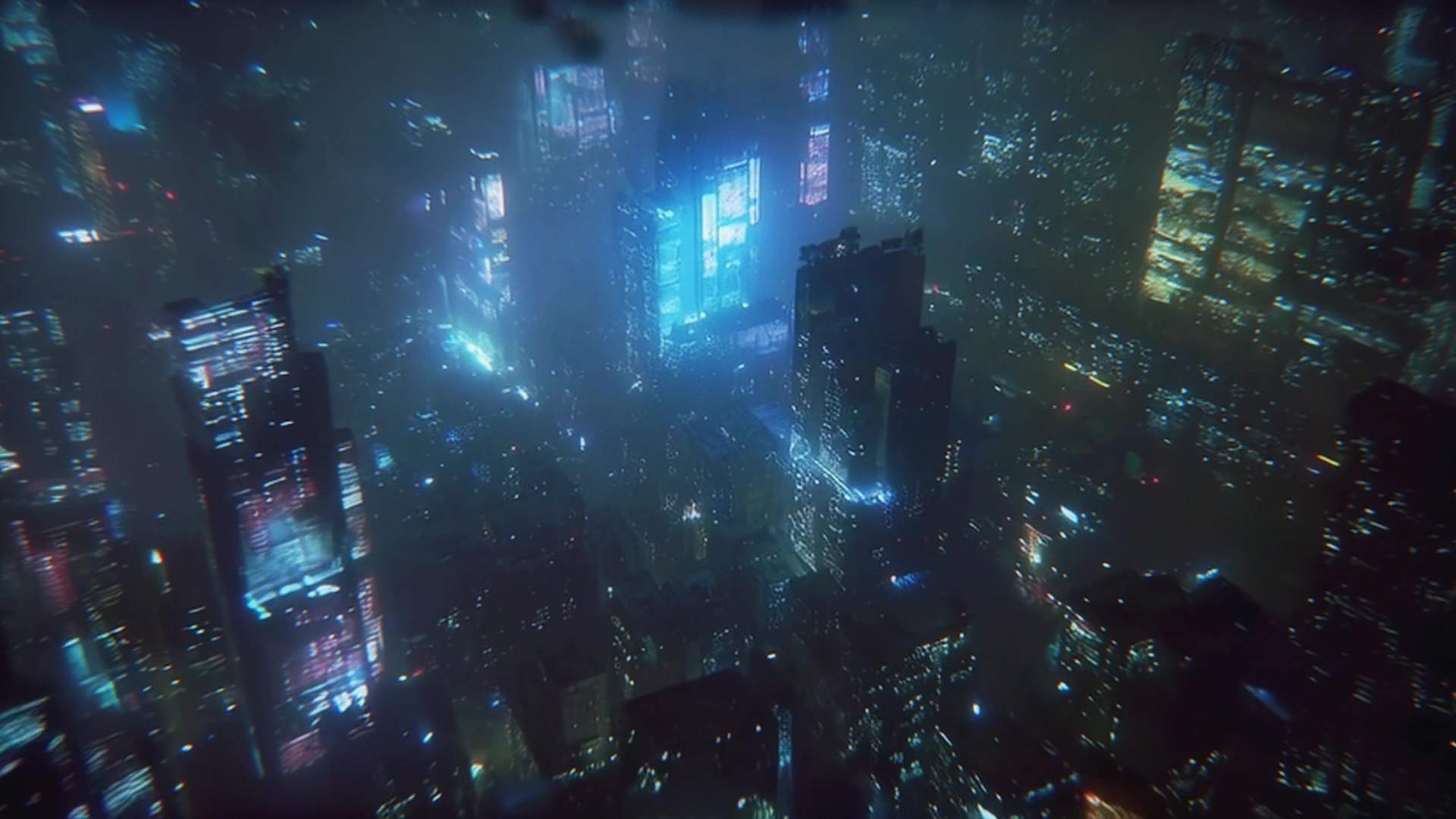
It all starts with a simple intuition: every moment lived in the city is traversed by multiple times at once. In the same gesture, I am in the immediate present, caught by the news and media flows; but I am also inhabited by involuntary memories that suddenly resurface, or by melancholic reveries that transfigure what I see. The city thus becomes a threshold, a space where these heterogeneous temporalities overlap and collide.

My project seeks to give form to this stratified experience: to make felt how the most banal everyday life is crossed by archaic survivals, collective images, fragments of history and memory, as much as by the alienation of a saturated present. It is this constant oscillation—between Inferno, Spleen, and Ideal—that I want to unfold through a sensitive cartography of urban consciousness.

The City as Threshold

I see the subway, the station, the staircase, the café, or the office as thresholds. In these ordinary spaces, three dimensions coexist:

•The Inferno, that of the homogeneous and repetitive present, saturated by information, networks, mechanical gestures. •The Spleen, an allegorical and poetic gaze that suspends time and transforms the city into a spectral theater. •The Ideal, involuntary memory, intimate or archaic reminiscences that resurface through a detail, a light, a smell.

These dimensions do not simply add up, they overlap. The threshold is the space where they are experienced simultaneously.

A Fragmented Consciousness

I want to show that consciousness does not advance in a straight line. Each moment is made of back-and-forth movements:

•Upon waking, the present still mingles with the dreams of the night, but already the news intrudes. •In the subway, the mechanical repetition of the commute intertwines with intimate thoughts, fleeting memories. •During the workday, the Inferno of routine can be fractured by a moment of spleen—a light, a silence, a gaze. •In the evening, urban wandering opens up new resonances, where memory and melancholy overlap.

The city, lived this way, becomes a moving cartography of our inner states.

Strata and Survivals

My approach inscribes itself in a theoretical and artistic lineage:

•With Benjamin and Baudelaire, I found a grammar of modern spleen and a typology of urban temporalities. •Didi-Huberman and Warburg taught me to see each image as a stratification, an archaic survival traversing the present. •Bergson thought of duration as a flux where past and present intertwine, and I seek to embody this experience. •De Certeau and Lefebvre showed me that everyday life and its rhythms are already poetic and political scenes. •Finally, Debord and Mark Fisher illuminate contemporary melancholy: a saturated present haunted by aborted futures.

Montage as Consciousness

I conceive montage as the equivalent of a flow of thought. My work juxtaposes the documentary and the hallucinatory, the most ordinary gestures and the most spectral images. Point clouds, volumetric video, and artificial imagination are for me ways to render visible the stratification of time:

•AI as an expression of a collective, hallucinatory unconscious. •The point cloud as a constellation of fragile and unfinished memories. •Montage as fragmented consciousness, crossed by resonances.

Conclusion

MEGALOPOLIS is not merely a work about the city. It is an attempt to render perceptible the way our lives are constantly traversed by heterogeneous flows: memory, news, spleen. The city thus becomes the mirror of our stratified consciousnesses, a living atlas where our dreams, our anxieties, and our survivals are endlessly replayed.

Series

Megalopolis

Shinjuku Meltdown Shinjuku Meltdown Shinjuku Meltdown Shinjuku Meltdown Shinjuku Meltdown Shinjuku Meltdown
L'Horloge
20242 minutes 25 secondsAI, pointclouds

L’Horloge ou la Mécanique des Seuils explores the potentialities of latent space as a site for the reconfiguration of time — a non-linear time in which layers of memory and traces of fiction overlap. Through the mediation of artificial imagination, the Bristol bar becomes an echo chamber of past images, where figures emerge not as memories but as survivals.

L'Horloge L'Horloge L'Horloge L'Horloge L'Horloge L'Horloge L'Horloge L'Horloge
Alètheia
202550 secondspointclouds

"To see a star that burned out long ago, one must be very far from it. There are even pasts that occurred at such a distance that they have not yet reached us." wrote Günther Anders.

The latent space acts like a night sky: it shelters billions of possible points, invisible to the naked eye.

To make images emerge from these points, one must connect them, trace complex trajectories that gradually sketch a reflection of what might have been, but never blossomed within our temporality.

All this is only possible if the observer stands at the right distance from the past. The figures of our constellations exist only within our own firmament.

Series

Fragments of the Latent Space

Alètheia Alètheia Alètheia
Anamnésis
202559 secondspointclouds

How many faces pass by each day without leaving a trace, and yet sometimes one of them, glimpsed only once, begins to live within us, to haunt us, to accompany us until the end.

We encounter it again in dreams, or it suddenly arises in a memory that had no connection to it.

And then it becomes impossible to decide whether this face belongs to a real being or to an apparition invented by ourselves.

But it remains, it insists, it accompanies us like a benevolent or troubling specter.

Series

Fragments of the Latent Space

Anamnésis Anamnésis Anamnésis
Cleo Varga
202539 secondspointclouds

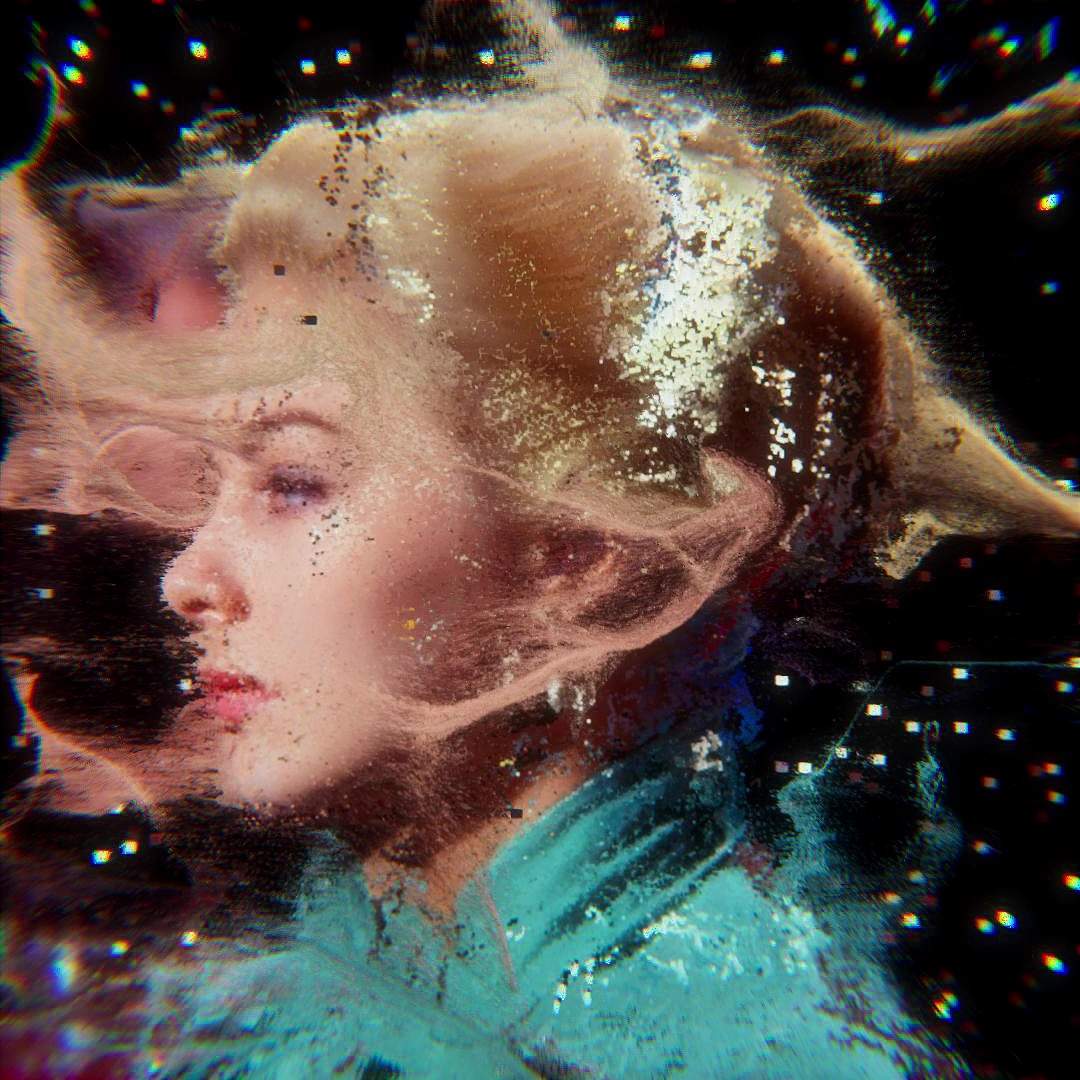
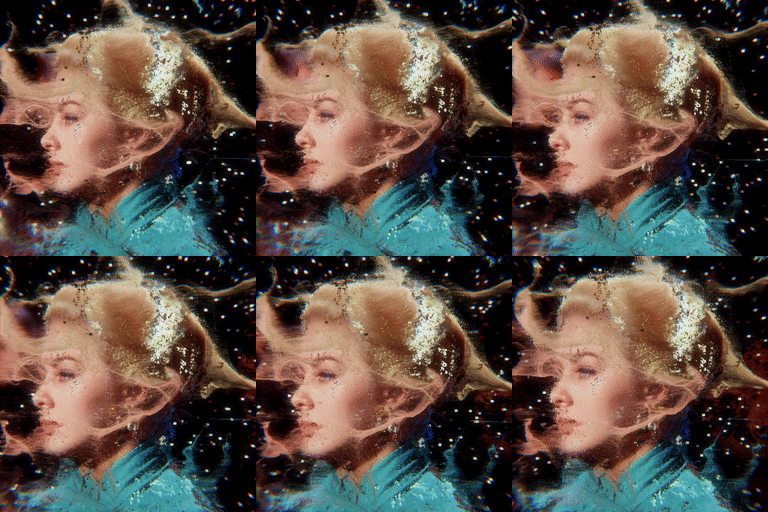
This young woman does not exist.

She is a pattern drawn from latent space, glimpsed during an algorithmic drift. Perhaps one of you has met her already, or will meet her in some distant future.

What fascinates me is that vertiginous depth where the image outruns reality: AI charts branching timelines—possible lives that orbit our own like invisible satellites, potentials waiting to bloom.

Series

Fragments of the Latent Space

Cleo Varga Cleo Varga Cleo Varga
Mira Halden
202538 secondspointclouds

One day we will explore infinite spaces. I just hope they don't separate us.

The possibilities of latent space are infinite.

It seems to me that we can encounter patterns that have already been conceived but haven't had time to blossom in our time.

-

Fragments of the Latent Space Series

This project offers a visual exploration of latent space through point clouds extracted from imaginary scenes.

By navigating this space, I capture fragments, figures, moments that seem to come from a forgotten film, a collective memory, or an unwritten story.

The aim is not to reconstruct reality, nor to produce finished images, but to record what surfaces: partial, unstable forms, like so many sketches of possible worlds.

These portraits, scenes, or silhouettes never existed, but carry familiar clues within them.

They inhabit this blurred zone between memory, fiction, and desire.

Series

Fragments of the Latent Space

Mira Halden Mira Halden Mira Halden
Vera Riels
202546 secondspointclouds

Memories of Blade Runner (Latent Space Pattern)

Somewhere in latent space, there are films that never saw the light of day in our reality.

Lost in la Mancha with Jean Rochefort has finally been filmed, and Clouzot's Inferno is not unfinished.

The same goes for world history. All that remains is to imagine it.

Series

Fragments of the Latent Space

Vera Riels Vera Riels Vera Riels
Lisa Claire Belmont
202559 secondspointclouds

Memories of Rear Window

In the latent space, the images revealed by the denoising are approximate, like memory.

In my mind, Kim Novac plays Grace Kelly. I've forgotten the story behind Vertigo.

But no matter, the important thing is to remember the essential patterns that great creators have managed to inscribe in our collective memory.

And that's how we recognize great creators of form.

Series

Fragments of the Latent Space

Lisa Claire Belmont Lisa Claire Belmont Lisa Claire Belmont
Magda Ellstern
202522 secondspointclouds

Memories of Vertigo (Latent Space Pattern)

I've forgotten the story of this movie. I've forgotten why James Stewart is chasing this woman. I don't know why he's so obsessed with making her look exactly like a dead woman.

But we remember Madeleine's hair. We remember the Golden Gate Bridge. We remember that strange scene in front of the trunk of a thousand-year-old tree.

It seems to me that these memories look like this in my mind.

They aren't exact copies but rather approximate images that live in their differences from their original matrix.

Series

Fragments of the Latent Space

Magda Ellstern Magda Ellstern Magda Ellstern
The Twin Brothers
202547 secondspointclouds

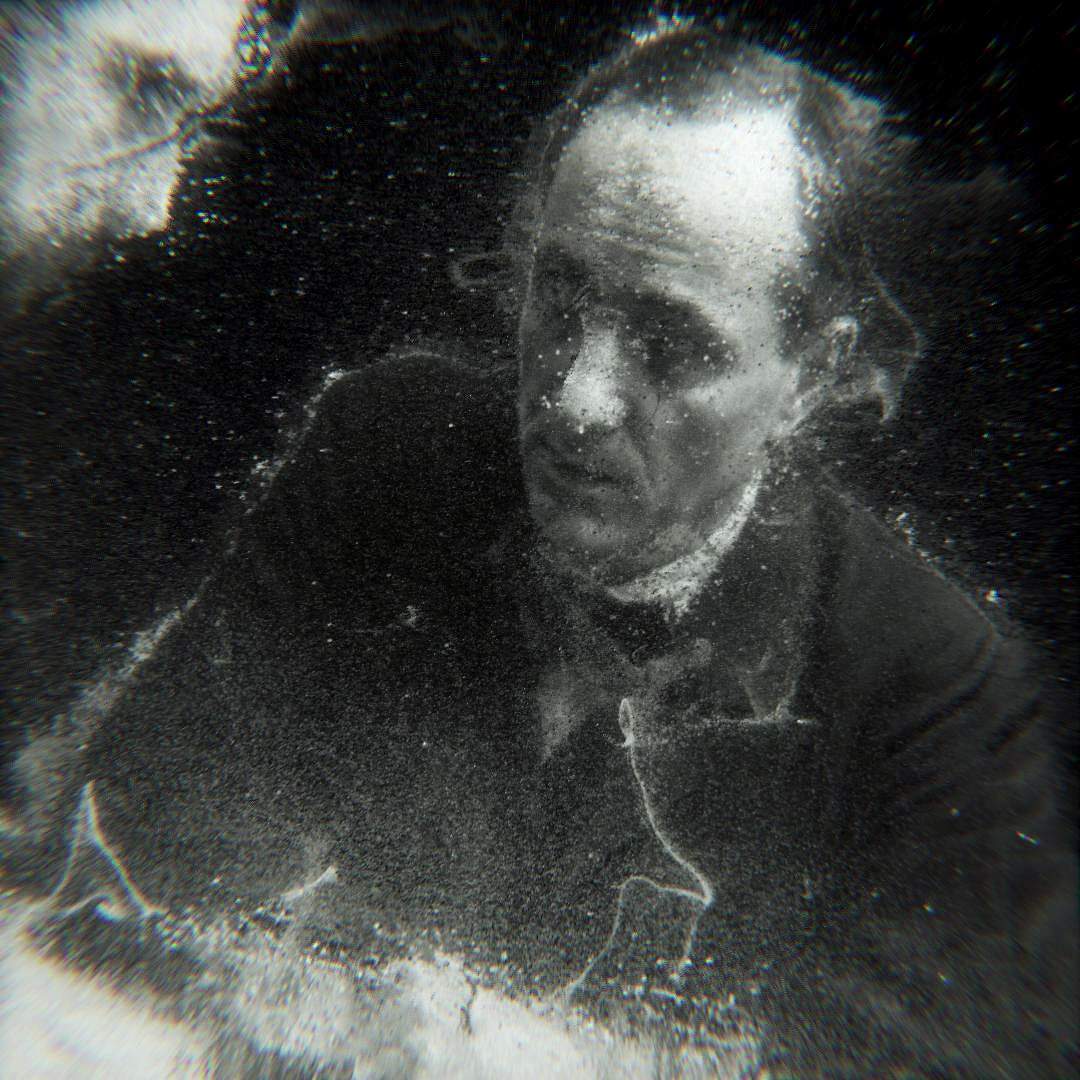
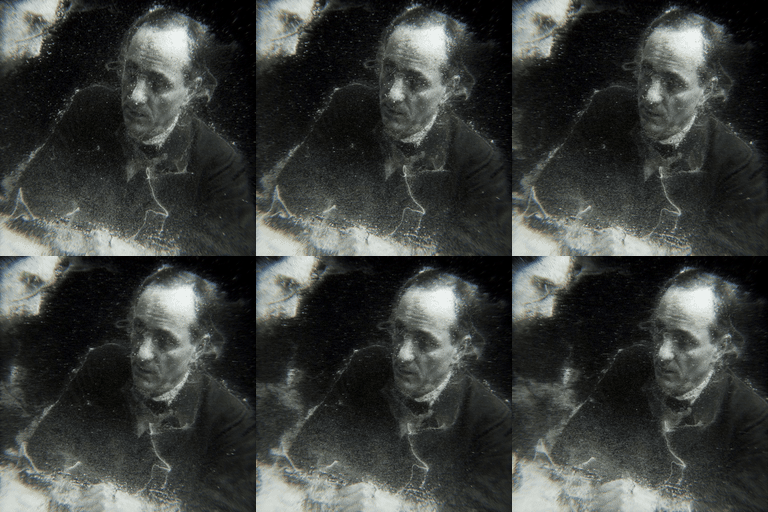
Portraits of the Latent Space: Baudelaire & Meryon

This is a scene from a film I have always dreamed of making. Imagining the meeting of one of greatest poets, Charles Baudelaire, with one of the 19th century’s greatest engravers, Charles Meryon.

I know this meeting took place somewhere in Paris, in a café near Saint-Lazare around 1860. I even went to see if the place still existed, but everything had vanished.

Only a few written traces remained to reconstruct this encounter — and the power of imagination.

Much like Peter Watkins' film La Commune de Paris, which through its innovative narrative device was able to revisit a forgotten chapter of history within our present, the latent space offers a formidable tool for the actualization of memories.

It is an as yet unknown continent that must be explored, in order to trace its contours and, perhaps at last, complete the stories that History and time had engulfed.

The Twin Brothers The Twin Brothers The Twin Brothers
Henri Darcène & Solange Vernay
20250/47pointclouds

We live in oblivion of our metamorphoses.

Figures that might recall Jean-Paul Sarte and Simone de Beauvoir.

-

Fragments of the Latent Space Series

This project offers a visual exploration of latent space through point clouds extracted from imaginary scenes.

By navigating this space, I capture fragments, figures, moments that seem to come from a forgotten film, a collective memory, or an unwritten story.

The aim is not to reconstruct reality, nor to produce finished images, but to record what surfaces: partial, unstable forms, like so many sketches of possible worlds.

These portraits, scenes, or silhouettes never existed, but carry familiar clues within them.

They inhabit this blurred zone between memory, fiction, and desire.

Series

Fragments of the Latent Space

Henri Darcène & Solange Vernay Henri Darcène & Solange Vernay
Last Moments of a City
20211 minute 21 secondspointclouds

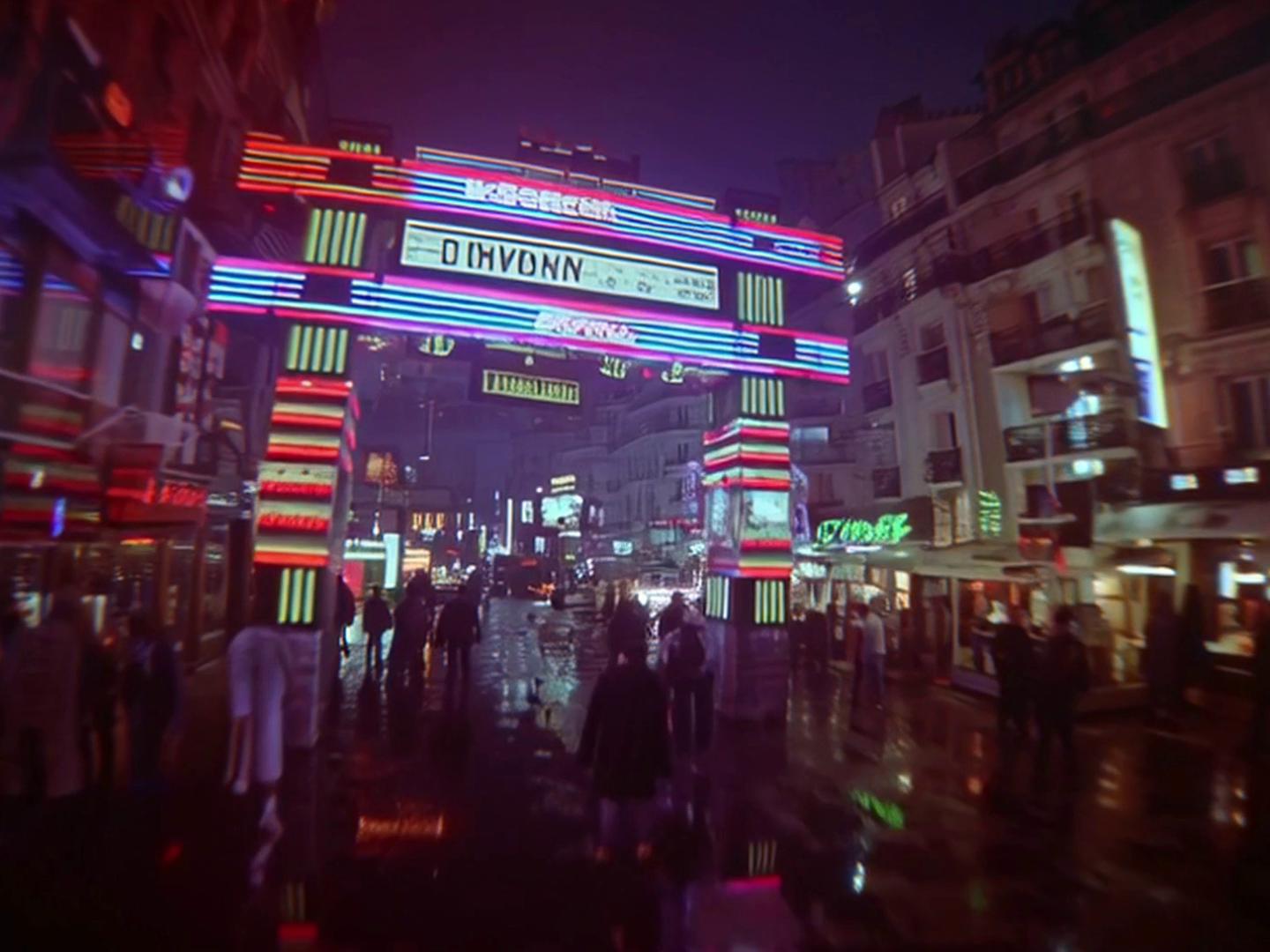
Wandering through the memories of a Tokyo night in Shinjuku.

It is striking how much exploring latent space resembles wandering through a city.

In urban strolling, a form emerges—guided by the discovery of patterns that stop us, intrigue us, and make us retrace our steps to better understand them. This trajectory is the translation of the city’s aesthetic experience.

The same applies to latent space. It is an as-yet unexplored, ever-renewed territory whose contours we chart through our wanderings. The imprint left by our exploration aspires to reflect our own personal culture.

AI is not a tool. Would we say that cinema is one? In his Histoire(s) du Cinéma, Godard showed what cinema had seen of us throughout the twentieth century.

The vector space appears as a new language, just as cinematic montage was in the past century—one we must learn in order to better understand the time in which we live.

Series

Megalopolis

Last Moments of a City Last Moments of a City Last Moments of a City Last Moments of a City Last Moments of a City Last Moments of a City
The Magnetic Fields
20201 minute 45 secondspoointclouds

"We run through cities without noise and the enchanted posters no longer touch us."

Music by Field Rotation - The History of Repetition

Series

Megalopolis

The Magnetic Fields The Magnetic Fields The Magnetic Fields The Magnetic Fields The Magnetic Fields The Magnetic Fields
Nocturnal Painting
20201 minute 20 secondspointclouds

"One day we will build cities to drift in," said Debord. Latent space awaits exploration in the same way. Therein lie pasts not yet hatched, waiting to be unfolded by our encounter.

Series

Megalopolis

Nocturnal Painting Nocturnal Painting Nocturnal Painting Nocturnal Painting
Passages: Ideal
20221 minute 21 secondspointclouds

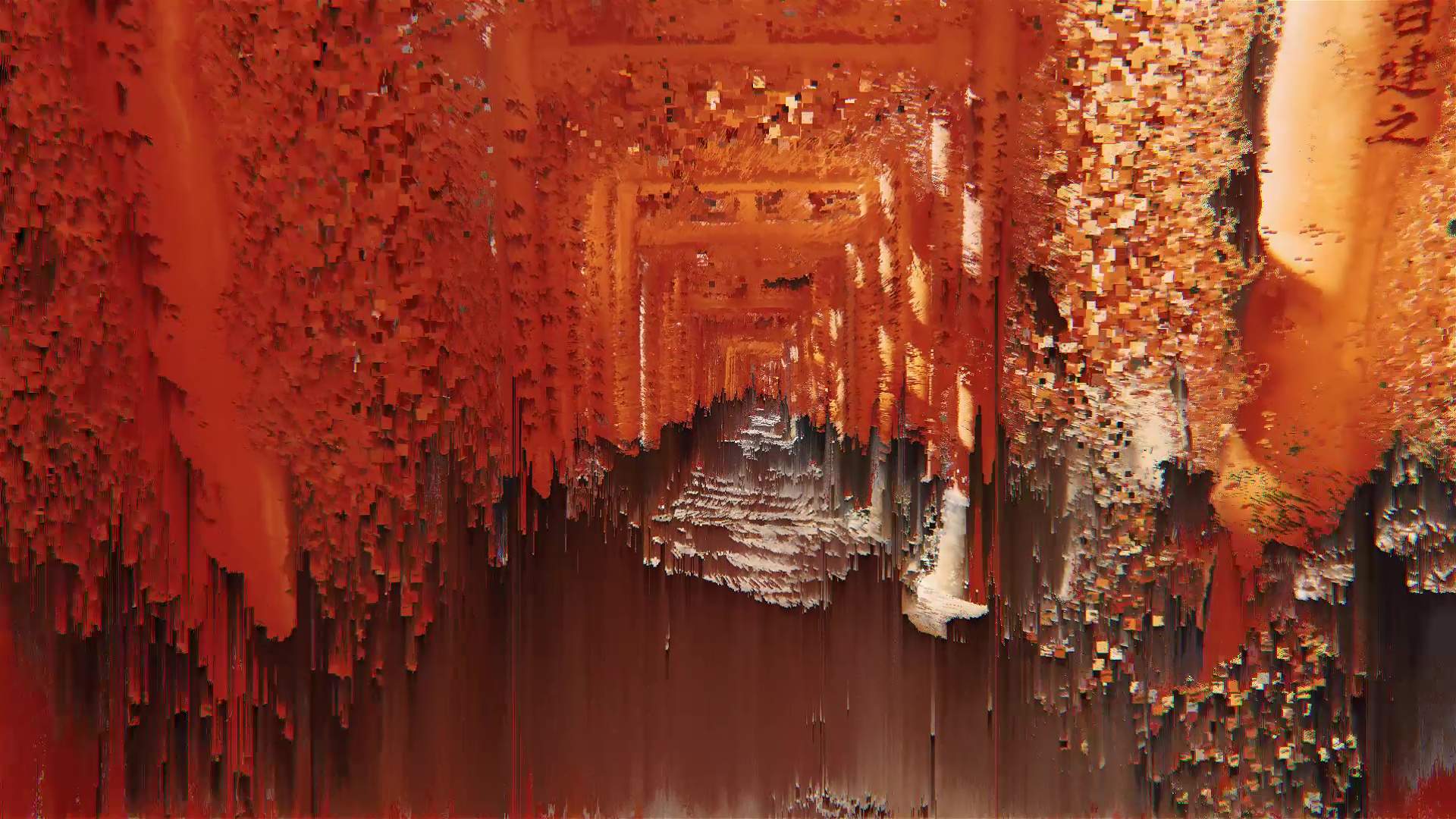
Wandering through Passage Jouffroy in Paris.

"Memory is the only paradise from which we cannot be cast away". — Johann Paul Friedrich Richter

Music: Yokohama (Simon James French)

Voice: Pierrot le Fou (Jean-Luc Godard)

About the series

“’These passages, a new invention of industrial luxury, are glass-covered galleries, panelled with marble, which cross entire blocks of buildings whose owners have grouped together for such considerations. On either side of these galleries, which receive the daylight from above, are lined up the most elegant stores, so that such a passage is a city, a world in miniature.’ — Illustrated Guide to Paris, 1850

In these covered galleries, countless food stores, restaurants, gadgets, souvenirs, by-products and ready-to-wear items punctuate the stroll of passer-bys. It is a labyrinth where the crowd as well as the merchandise are displayed. These commercial streets are neither completely outside nor completely inside the city. They act as thresholds, places of reverie where time and the consciousness of the flâneur are altered to counter the experience of the shock of the big city. Indeed, these streets, brought to life by iron and glass architecture, are above all a refuge from the inhospitable and blinding experience that is characteristic of megacities. The transformations brought about by modernity and the commercial sphere have reified the urban space. The inhabitants of the city no longer feel at home there; they are beginning to become aware of the inhumanity of the big city.

A threshold, buffer zone, dream zone; the passage is a place where several memories and states of consciousness are superimposed (dream, awakening, awareness). The voluntary memory, that of the chaos of commodity and publicity, rubs shoulders with the collective unconscious, the Ideal and the Utopia. The collective memory is a compound of truth and betrayal, of authentic utopia and phantasmagorical utopia, nurtured by the dream of the commodity. The architecture of the passage is the reification of this thought, and it is thus a testimony of the collective dream.

The passages would appear then as an antechamber of the collective awakening, where dialectic images show themselves in their double sense: on the one hand turned towards the myth and the archaic, the other turned towards the promise of social progress. The awakening of the collective appears then as a synthesis of a dreaming consciousness, and the antithesis of the awakened consciousness.

This artistic project, conceived as a triptych, has the task of presenting these different forms of memory that sway the crowds and circulate amongst the Parisian passages.”

Series

Passages Triptych

Passages: Ideal Passages: Ideal Passages: Ideal Passages: Ideal Passages: Ideal Passages: Ideal Passages: Ideal Passages: Ideal
Passages: Spleen
20221 minute 15 secondspointclouds

Wandering through Passage des Panoramas in Paris. “These large and beautiful ships, imperceptibly swaying (waddling) on the quiet waters, these robust ships, with their idle and nostalgic air, do they not say to us in a silent language: When do we leave for happiness?" — Charles Baudelaire Music: Kyoto (Simon James French) Voice: Alphaville (Jean-Luc Godard)

About the series artpoint.xyz/artworks/passages:-spleen-benjamin-bardou

“’These passages, a new invention of industrial luxury, are glass-covered galleries, panelled with marble, which cross entire blocks of buildings whose owners have grouped together for such considerations. On either side of these galleries, which receive the daylight from above, are lined up the most elegant stores, so that such a passage is a city, a world in miniature.’ — Illustrated Guide to Paris, 1850

In these covered galleries, countless food stores, restaurants, gadgets, souvenirs, by-products and ready-to-wear items punctuate the stroll of passer-bys. It is a labyrinth where the crowd as well as the merchandise are displayed. These commercial streets are neither completely outside nor completely inside the city. They act as thresholds, places of reverie where time and the consciousness of the flâneur are altered to counter the experience of the shock of the big city. Indeed, these streets, brought to life by iron and glass architecture, are above all a refuge from the inhospitable and blinding experience that is characteristic of megacities. The transformations brought about by modernity and the commercial sphere have reified the urban space. The inhabitants of the city no longer feel at home there; they are beginning to become aware of the inhumanity of the big city.

A threshold, buffer zone, dream zone; the passage is a place where several memories and states of consciousness are superimposed (dream, awakening, awareness). The voluntary memory, that of the chaos of commodity and publicity, rubs shoulders with the collective unconscious, the Ideal and the Utopia. The collective memory is a compound of truth and betrayal, of authentic utopia and phantasmagorical utopia, nurtured by the dream of the commodity. The architecture of the passage is the reification of this thought, and it is thus a testimony of the collective dream.

The passages would appear then as an antechamber of the collective awakening, where dialectic images show themselves in their double sense: on the one hand turned towards the myth and the archaic, the other turned towards the promise of social progress. The awakening of the collective appears then as a synthesis of a dreaming consciousness, and the antithesis of the awakened consciousness.

This artistic project, conceived as a triptych, has the task of presenting these different forms of memory that sway the crowds and circulate amongst the Parisian passages.”

Benjamin Bardou

Though these works can be collected individually, the series was designed as a triptych. The collector of the full triptych will receive an exclusive airdrop of an NFT by Benjamin Bardou. Applicable only once, to the first collector who acquires all three artworks.

Series

Passages Triptych

Passages: Spleen Passages: Spleen Passages: Spleen Passages: Spleen Passages: Spleen Passages: Spleen Passages: Spleen Passages: Spleen
Passages: Inferno
20221 minute 13 secondspointclouds

Wandering through Passage Verdeau in Paris. "Everything must change for nothing to change." — The Cheetah, Luchino Visconti Music: Within/Namiyoke Inari (Simon James French) Voice: For Ever Mozart (Jean-Luc Godard)

About the series

artpoint.xyz/artworks/passages:-inferno-benjamin-bardou

“’These passages, a new invention of industrial luxury, are glass-covered galleries, panelled with marble, which cross entire blocks of buildings whose owners have grouped together for such considerations. On either side of these galleries, which receive the daylight from above, are lined up the most elegant stores, so that such a passage is a city, a world in miniature.’ — Illustrated Guide to Paris, 1850

In these covered galleries, countless food stores, restaurants, gadgets, souvenirs, by-products and ready-to-wear items punctuate the stroll of passer-bys. It is a labyrinth where the crowd as well as the merchandise are displayed. These commercial streets are neither completely outside nor completely inside the city. They act as thresholds, places of reverie where time and the consciousness of the flâneur are altered to counter the experience of the shock of the big city. Indeed, these streets, brought to life by iron and glass architecture, are above all a refuge from the inhospitable and blinding experience that is characteristic of megacities. The transformations brought about by modernity and the commercial sphere have reified the urban space. The inhabitants of the city no longer feel at home there; they are beginning to become aware of the inhumanity of the big city.

A threshold, buffer zone, dream zone; the passage is a place where several memories and states of consciousness are superimposed (dream, awakening, awareness). The voluntary memory, that of the chaos of commodity and publicity, rubs shoulders with the collective unconscious, the Ideal and the Utopia. The collective memory is a compound of truth and betrayal, of authentic utopia and phantasmagorical utopia, nurtured by the dream of the commodity. The architecture of the passage is the reification of this thought, and it is thus a testimony of the collective dream.

The passages would appear then as an antechamber of the collective awakening, where dialectic images show themselves in their double sense: on the one hand turned towards the myth and the archaic, the other turned towards the promise of social progress. The awakening of the collective appears then as a synthesis of a dreaming consciousness, and the antithesis of the awakened consciousness.

This artistic project, conceived as a triptych, has the task of presenting these different forms of memory that sway the crowds and circulate amongst the Parisian passages.”

Benjamin Bardou

Though these works can be collected individually, the series was designed as a triptych. The collector of the full triptych will receive an exclusive airdrop of an NFT by Benjamin Bardou. Applicable only once, to the first collector who acquires all three artworks.

Series

Passages Triptych

Passages: Inferno Passages: Inferno Passages: Inferno Passages: Inferno Passages: Inferno Passages: Inferno Passages: Inferno
Memory of Brittany No.1
36 secondsvolumetric video

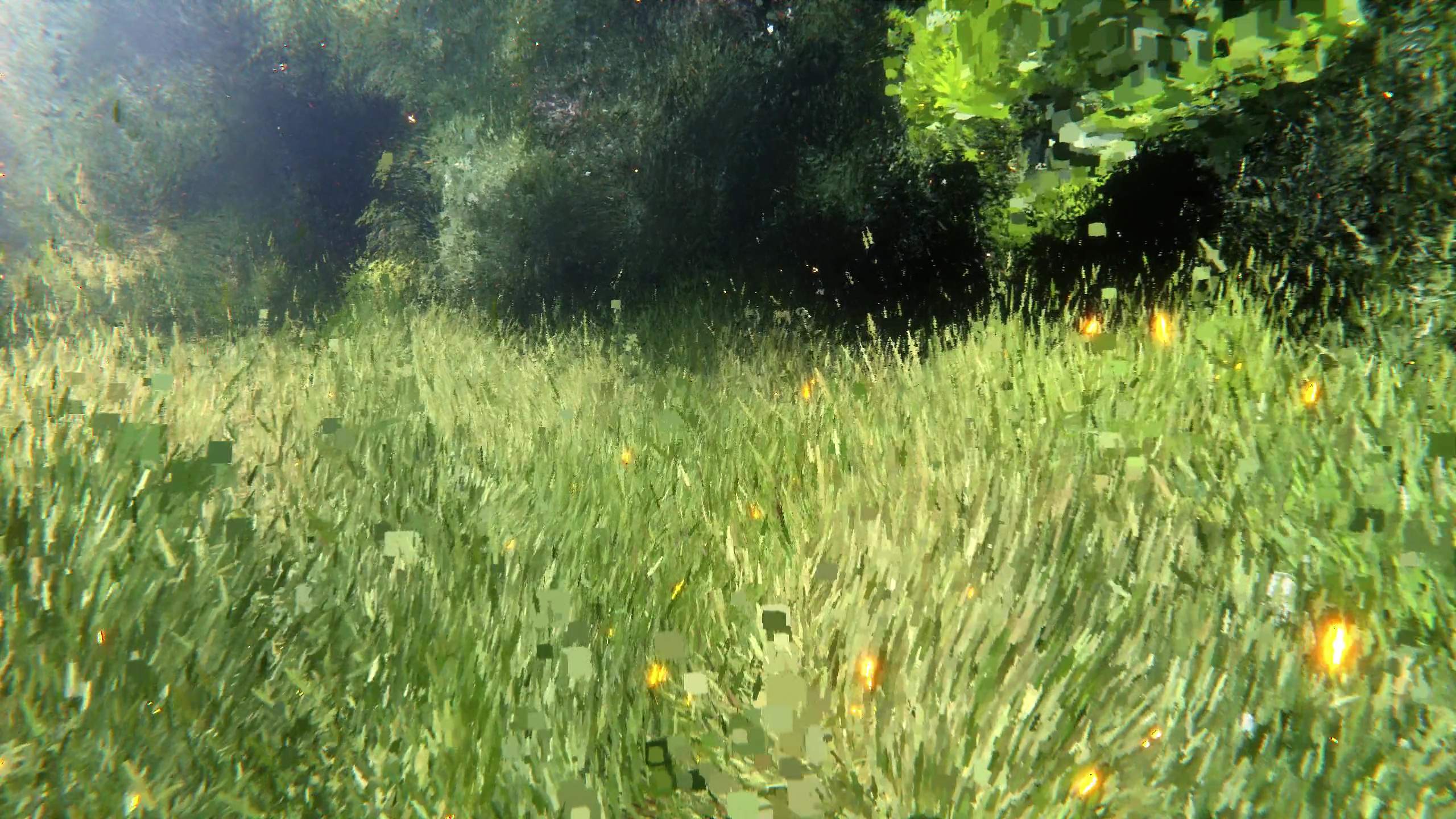
A memory of a walk in the forest not far from Fougères.

Series

Memories of Brittany

Memory of Brittany No.1 Memory of Brittany No.1 Memory of Brittany No.1 Memory of Brittany No.1
Memory of Brittany No.2
2 minutes 8 secondsvolumetric video

It is not enough for the world to be beautiful — one must also deign to rejoice in it.' Grothendieck

A memory of a walk in the forest not far from Fougères.

Series

Memories of Brittany

Memory of Brittany No.2 Memory of Brittany No.2 Memory of Brittany No.2 Memory of Brittany No.2 Memory of Brittany No.2 Memory of Brittany No.2 Memory of Brittany No.2
Memory of Brittany No.3
volumetric video

A memory of a walk on a coastal path near Plougasnou.

Series

Memories of Brittany

Memory of Brittany No.3 Memory of Brittany No.3 Memory of Brittany No.3 Memory of Brittany No.3 Memory of Brittany No.3 Memory of Brittany No.3 Memory of Brittany No.3
Memories of an Exhibition
20244 hrsvolumetric video

Memories of an Exhibition Series

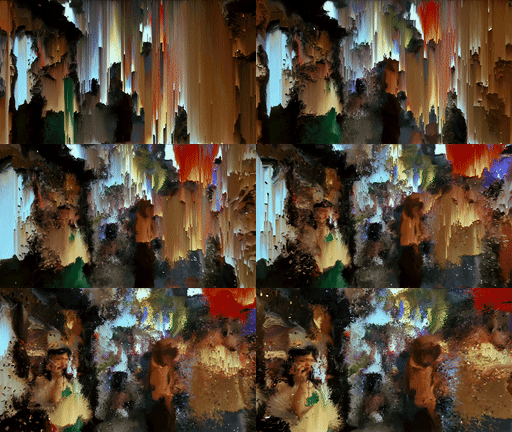
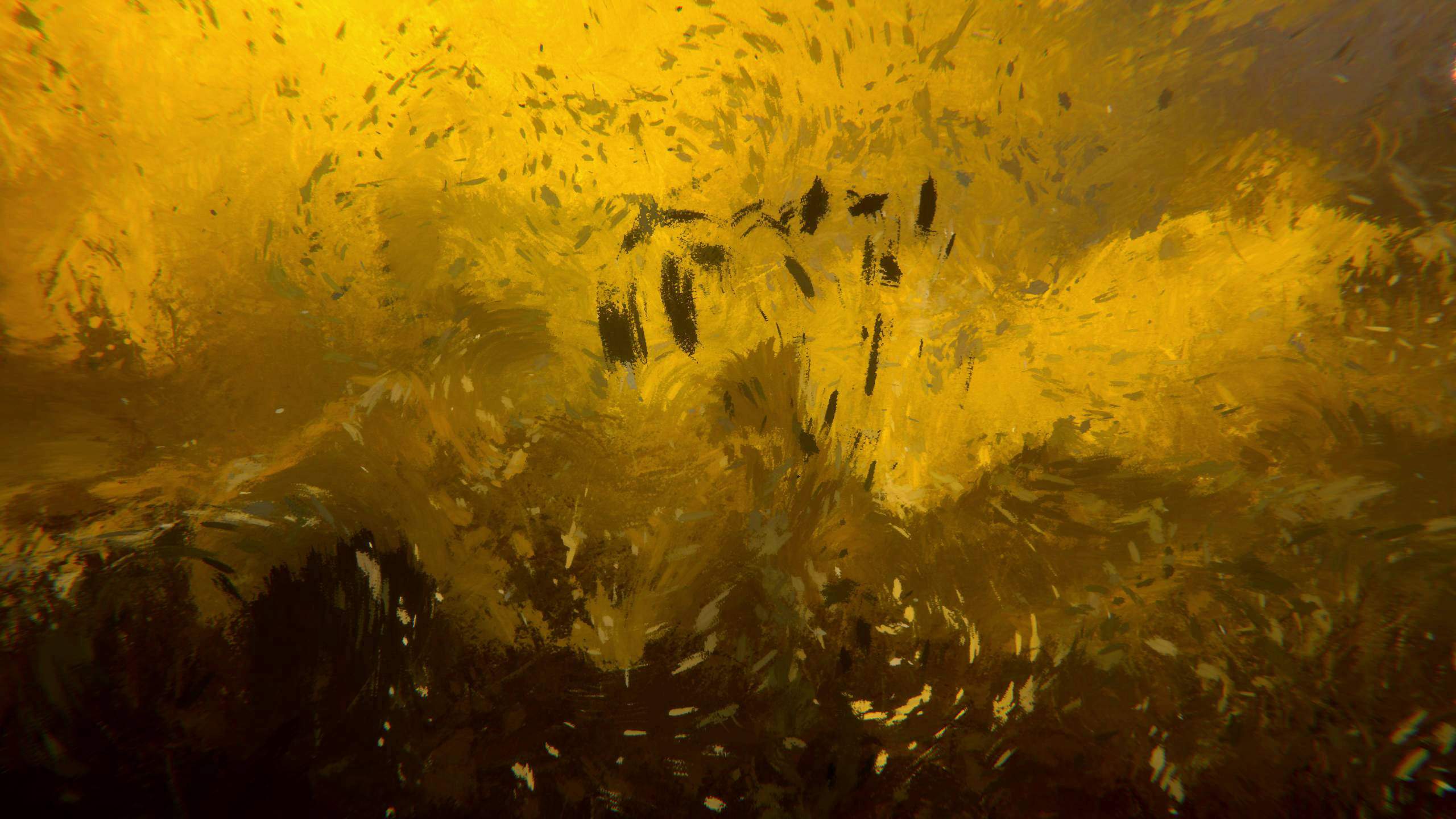
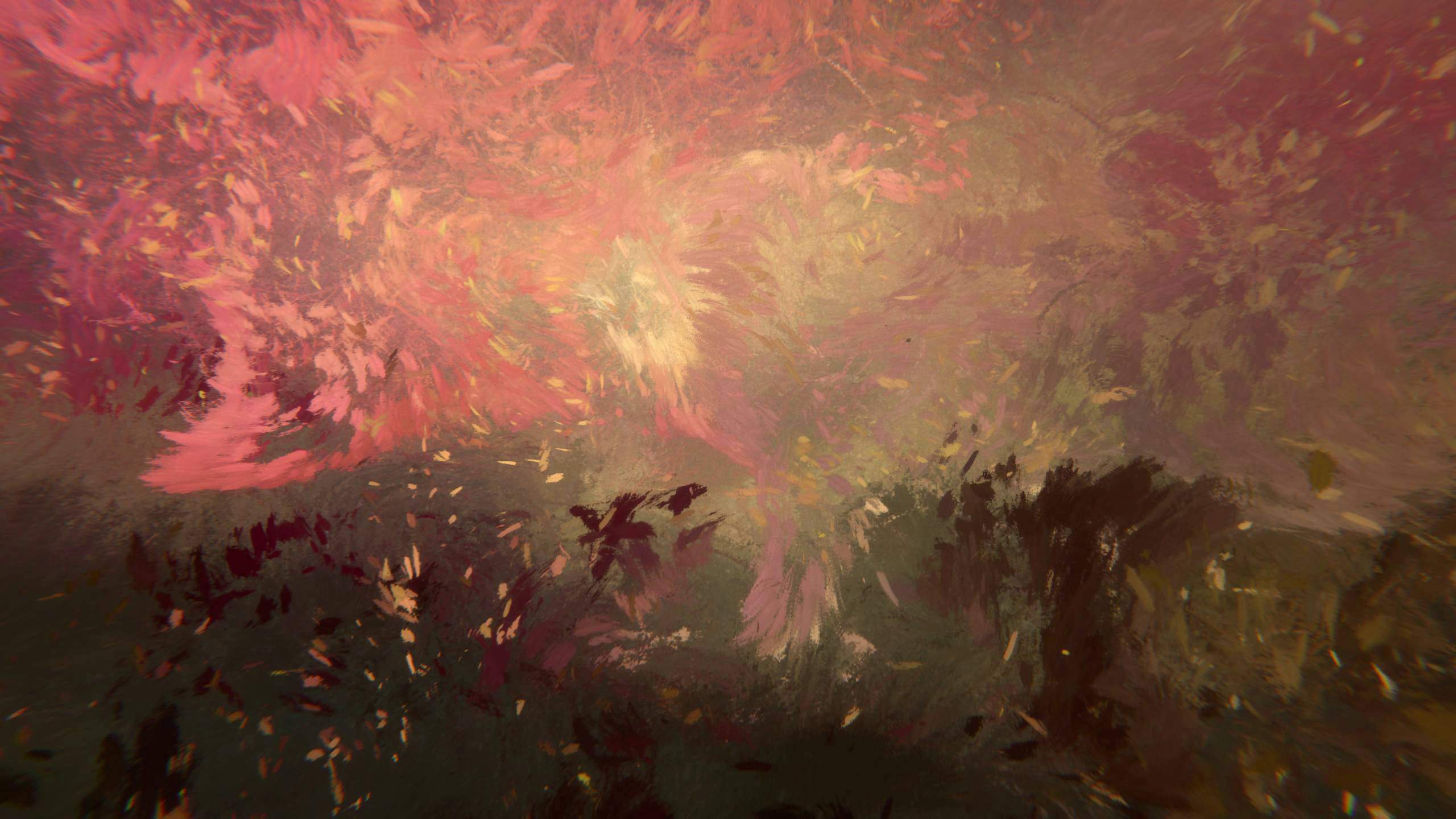
Like a dream one only becomes aware of upon waking, it was only once completed that this project revealed itself to me as a synthesis of two themes dear to me: painting and memory.

So then, what remains in our minds of artworks when they elude our gaze?

What endures are traces revealed through recollection. They are sequences of blotches that connect to form diaphanous images—in other words, memories. In this action, so close to imagination, the goal is once again to bring the artwork to life, to revive past forms by reactivating them in our present.

A painting, in its materiality, is the precipitate of the artist's imagination. This act of projecting images is akin to memory, where mental images are arranged to reconstruct the past. These two movements—one oriented toward the future, the other toward the past—meet in the latent space, a place where ideas and forms coexist in potential states before being revealed.

Memories of an Exhibition was born from the desire to paint this space—not by representing the artworks themselves, but rather their memories.

Here, artificial imagination does not oppose organic memory; instead, it acts as a machine for retrieving the memory of an aesthetic experience. It becomes a universal canvas where painters coexist not as figures of the past, but as potentialities or echoes of what could have been and what might still emerge.

In this imaginary space, color acts as a detonator for the reminiscence of works seen by our contemporaries—and potentially dreamed by the painters themselves.

Memories of an Exhibition offers a wander through the memories of the paintings of six illustrious artists: Pierre Bonnard, Wassily Kandinsky, Gustav Klimt, Henri Matisse, Claude Monet, and Vincent van Gogh.

500 unique artworks inspired by Bonnard, Kandinsky, Klimt, Matisse, Monet and Van Gogh.

Mint available on: https://braindrops.cloud/projects/33

Series

Memories of an Exhibition

Exhibitions / Screenings
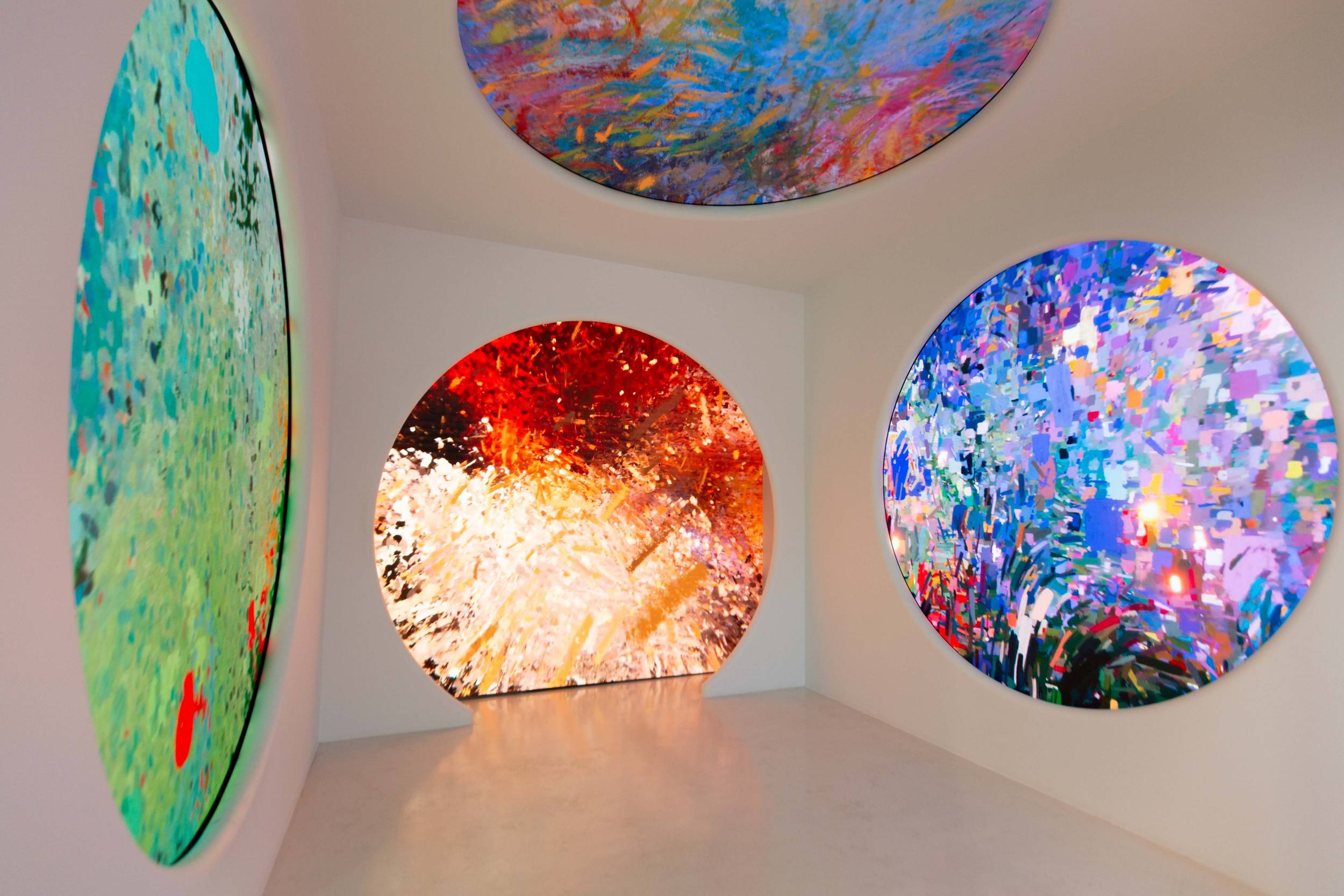
2024 Galerie A+E

Solo exhibition

Memories of an Exhibition Memories of an Exhibition Memories of an Exhibition Memories of an Exhibition Memories of an Exhibition Memories of an Exhibition
Memories of an Exhibition Memories of an Exhibition Memories of an Exhibition Memories of an Exhibition Memories of an Exhibition Memories of an Exhibition Memories of an Exhibition Memories of an Exhibition Memories of an Exhibition Memories of an Exhibition Memories of an Exhibition Memories of an Exhibition Memories of an Exhibition Memories of an Exhibition Memories of an Exhibition Memories of an Exhibition Memories of an Exhibition
Studies of Artificial Landscapes
20254 minutesAI, volumetric video

'Studies of Artificial Landscapes' is part of a research project on new forms created by artificial imagination. Just as plein-air painters like Eugène Boudin were captivated by the shape and color that a landscape might take at certain times of day, the aim here is to capture the geography of latent space. Sketching thus appears to be the technique best suited to capturing the infinitely sensitive fluctuations of this new imaginary space.

Exhibitions / Screenings
2024 Galerie Data

Collective Exhibition

Studies of Artificial Landscapes Studies of Artificial Landscapes Studies of Artificial Landscapes Studies of Artificial Landscapes Studies of Artificial Landscapes Studies of Artificial Landscapes Studies of Artificial Landscapes Studies of Artificial Landscapes Studies of Artificial Landscapes Studies of Artificial Landscapes Studies of Artificial Landscapes Studies of Artificial Landscapes Studies of Artificial Landscapes Studies of Artificial Landscapes Studies of Artificial Landscapes Studies of Artificial Landscapes Studies of Artificial Landscapes
The Awakening
20254 minutes 16 secondsAI, volumetric video

'Studies of Artificial Landscapes' is part of a research project on new forms created by artificial imagination. Just as plein-air painters like Eugène Boudin were captivated by the shape and color that a landscape might take at certain times of day, the aim here is to capture the geography of latent space. Sketching thus appears to be the technique best suited to capturing the infinitely sensitive fluctuations of this new imaginary space.

Exhibitions / Screenings
2024 Galerie Data

Collective Exhibition

The Awakening The Awakening The Awakening The Awakening The Awakening The Awakening The Awakening The Awakening The Awakening The Awakening The Awakening The Awakening
Unexpected Memory from Kyoto
201934 secondspointclouds

"An image is that in which the Once-Before encounters the Now in a flash to form a constellation" said Benjamin.

The stars that compose the figures of our night sky lie light-years apart.

Seen from another vantage point in the galaxy, they bear no particular relation to one another, save for the sidereal void that separates them.

It is only by observing them from here and now that they reveal themselves in all their tension.

So it is with the images of the past. They await their reactivation in our present.

For this, our task will be to find a place in our present distant enough—yet just enough.*

Series

Megalopolis

Unexpected Memory from Kyoto Unexpected Memory from Kyoto Unexpected Memory from Kyoto Unexpected Memory from Kyoto
Memory of Turner No.1
202456 secondsvolumetric video

What remains of works of art when they escape our gaze? There remain traces produced by their memories. These are series of patterns that link together to form diaphanous images, in other words memories. In this action close to imagination, it is a question, once again, of making the work alive. It is a question of giving life to past forms by re-actualizing them in our present. A painting in its materiality is the precipitate of the artist's imagination. This act of projecting images is close to that of memory where mental images are arranged with a view to reconstructing the past. These two movements, one turned towards the future and the other towards the past, meet in latent space, a place where ideas and forms can coexist in potential states before being revealed. Memories of the Masters was born from the desire to paint this space not by representing the works themselves but rather their memories. Here, artificial imagination does not oppose organic memory but acts as a machine to restore the memory of an aesthetic experience. It becomes a universal canvas where painters coexist, not as figures of the past, but as potentialities or echoes of what could have been and what could happen. In this imaginary space, color serves as a detonator for a reminiscence of works seen by our contemporaries and potentially dreamed by the painters themselves. Memories of the Masters offers a wandering in the memories of the paintings of famous painters. This series follows Memories of an Exhibition which honored the following six painters: Pierre Bonnard, Wassily Kandinsky, Gustav Klimt, Henri Matisse, Claude Monet and Vincent Van Gogh.

Series

Memory of the Masters

Memory of Turner No.1 Memory of Turner No.1 Memory of Turner No.1 Memory of Turner No.1 Memory of Turner No.1
Memory of Turner No.2
202458 secondsvolumetric video

What remains of works of art when they escape our gaze? There remain traces produced by their memories. These are series of patterns that link together to form diaphanous images, in other words memories. In this action close to imagination, it is a question, once again, of making the work alive. It is a question of giving life to past forms by re-actualizing them in our present. A painting in its materiality is the precipitate of the artist's imagination. This act of projecting images is close to that of memory where mental images are arranged with a view to reconstructing the past. These two movements, one turned towards the future and the other towards the past, meet in latent space, a place where ideas and forms can coexist in potential states before being revealed. Memories of the Masters was born from the desire to paint this space not by representing the works themselves but rather their memories. Here, artificial imagination does not oppose organic memory but acts as a machine to restore the memory of an aesthetic experience. It becomes a universal canvas where painters coexist, not as figures of the past, but as potentialities or echoes of what could have been and what could happen. In this imaginary space, color serves as a detonator for a reminiscence of works seen by our contemporaries and potentially dreamed by the painters themselves. Memories of the Masters offers a wandering in the memories of the paintings of famous painters. This series follows Memories of an Exhibition which honored the following six painters: Pierre Bonnard, Wassily Kandinsky, Gustav Klimt, Henri Matisse, Claude Monet and Vincent Van Gogh.

Series

Memories of the Masters

Memory of Turner No.2 Memory of Turner No.2 Memory of Turner No.2 Memory of Turner No.2 Memory of Turner No.2 Memory of Turner No.2
Memory of Turner No.3
2024volumetric video

What remains of works of art when they escape our gaze? There remain traces produced by their memories. These are series of patterns that link together to form diaphanous images, in other words memories. In this action close to imagination, it is a question, once again, of making the work alive. It is a question of giving life to past forms by re-actualizing them in our present. A painting in its materiality is the precipitate of the artist's imagination. This act of projecting images is close to that of memory where mental images are arranged with a view to reconstructing the past. These two movements, one turned towards the future and the other towards the past, meet in latent space, a place where ideas and forms can coexist in potential states before being revealed. Memories of the Masters was born from the desire to paint this space not by representing the works themselves but rather their memories. Here, artificial imagination does not oppose organic memory but acts as a machine to restore the memory of an aesthetic experience. It becomes a universal canvas where painters coexist, not as figures of the past, but as potentialities or echoes of what could have been and what could happen. In this imaginary space, color serves as a detonator for a reminiscence of works seen by our contemporaries and potentially dreamed by the painters themselves. Memories of the Masters offers a wandering in the memories of the paintings of famous painters. This series follows Memories of an Exhibition which honored the following six painters: Pierre Bonnard, Wassily Kandinsky, Gustav Klimt, Henri Matisse, Claude Monet and Vincent Van Gogh.

Series

Memories of the Masters

Memory of Turner No.3 Memory of Turner No.3 Memory of Turner No.3 Memory of Turner No.3
Collective Memories
20251 minute 43 secondsvolumetric video, generative art

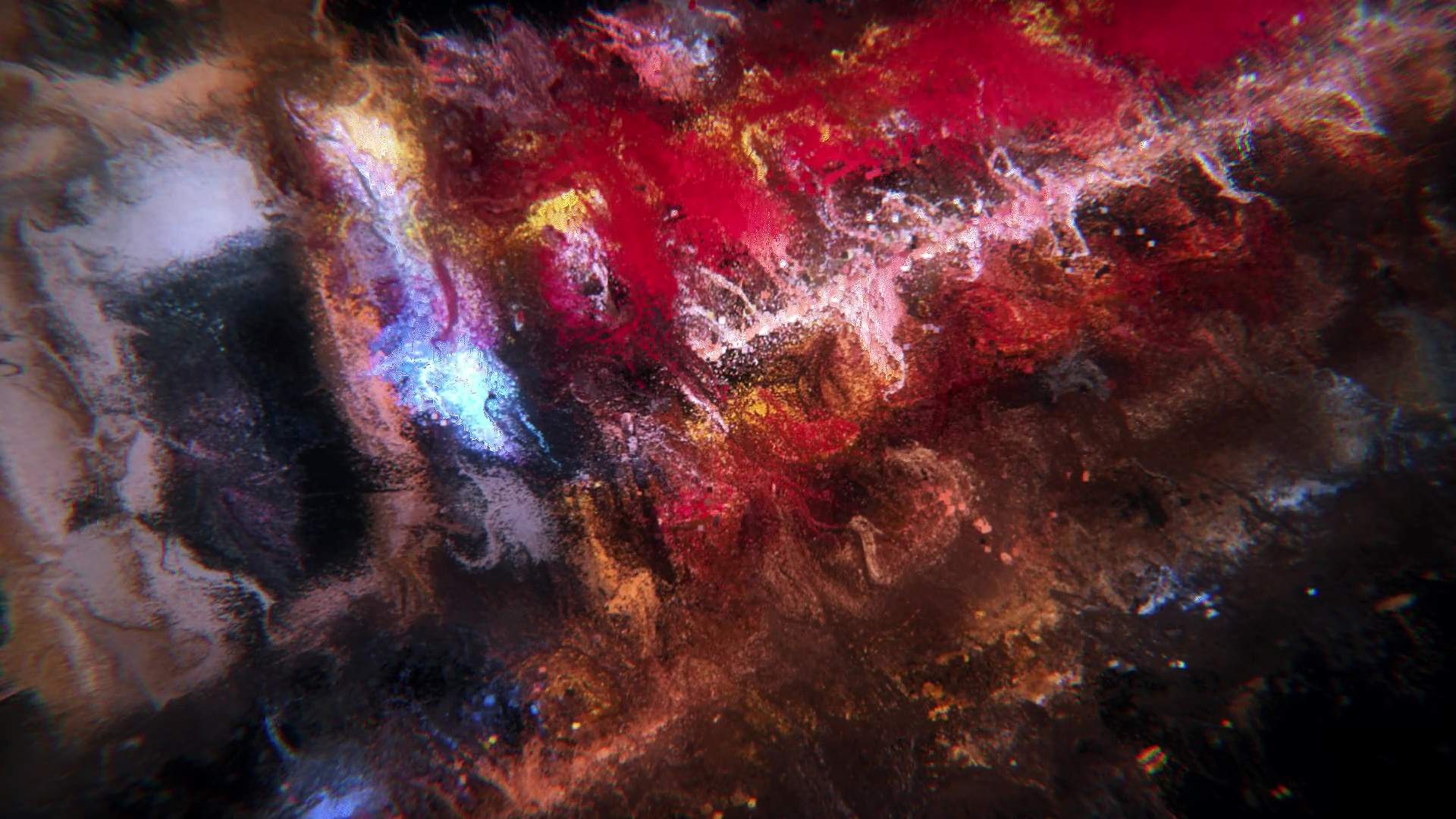
Benjamin Bardou and Florian Zumbrunn combine their respective practices—algorithmics and image processing—to create a unique series born from their collaboration.

Florian Zumbrunn uses programming to generate abstract artworks inspired by the Impressionist approach to light and color. His process is based on developing evolving algorithms in JavaScript and WebGL, allowing him to generate and visualize complex compositions rich in information.

Benjamin Bardou has developed a hybrid technique that blends multiple mediums. He begins by experimenting with image generation tools to recreate a painterly touch reminiscent of the great masters of painting. He then processes these images using photogrammetry, giving them a fluid texture infused with light.

As part of this collaboration, Florian Zumbrunn draws on the algorithms he developed for his seasonal series, including Scents of Summer, Scents of Spring and Brise d’Automne. These iterations are then integrated by Benjamin Bardou, who sets the compositions in motion using data of Giverny.

This process establishes an organic link between Florian Zumbrunn’s Impressionist-inspired universe and Benjamin Bardou’s unique approach to animating images.

This artwork is part of the exhibition REMINISCENCE, at Galerie Data (Paris).

Collective Memories Collective Memories Collective Memories Collective Memories Collective Memories Collective Memories Collective Memories Collective Memories
Imaginary Landscape No.3
202344 secondsvolumetric video, AI

An AI-assisted exploration of souvenir. This is about painting memories.

Series

Imagniary Landscapes

Imaginary Landscape No.3 Imaginary Landscape No.3 Imaginary Landscape No.3 Imaginary Landscape No.3 Imaginary Landscape No.3
Imaginary Landscape No.5
20231 minute 5 secondsvolumetric video, AI

An AI-assisted exploration of souvenir. This is about painting memories.

Series

Imaginary Landscapes

Imaginary Landscape No.5 Imaginary Landscape No.5 Imaginary Landscape No.5 Imaginary Landscape No.5 Imaginary Landscape No.5 Imaginary Landscape No.5
Imaginary Landscape No.6
202358 secondsvolumetric video, AI

An AI-assisted exploration of souvenir. This is about painting memories.

Series

Imaginary Landscapes

Imaginary Landscape No.6 Imaginary Landscape No.6 Imaginary Landscape No.6 Imaginary Landscape No.6 Imaginary Landscape No.6 Imaginary Landscape No.6 Imaginary Landscape No.6 Imaginary Landscape No.6
Imaginary Landscape No.7
202358 secondsvolumetric video, AI

An AI-assisted exploration of souvenir. This is about painting memories.

Series

Imaginary Landscapes

Imaginary Landscape No.7 Imaginary Landscape No.7 Imaginary Landscape No.7 Imaginary Landscape No.7 Imaginary Landscape No.7 Imaginary Landscape No.7 Imaginary Landscape No.7 Imaginary Landscape No.7
Imaginary Landscape No.8
202358 secondsvolumetric video, AI

An AI-assisted exploration of souvenir. This is about painting memories.

Series

Imaginary Landscapes

Imaginary Landscape No.8 Imaginary Landscape No.8 Imaginary Landscape No.8 Imaginary Landscape No.8 Imaginary Landscape No.8 Imaginary Landscape No.8 Imaginary Landscape No.8 Imaginary Landscape No.8 Imaginary Landscape No.8
The Weight of the Memory
20221 minute 7 secondspointclouds

"The future torments us, the past holds us back, that's why the present escapes us." Gustave Flaubert\n\n\n\n

Series

Megalopolis

The Weight of the Memory The Weight of the Memory The Weight of the Memory The Weight of the Memory The Weight of the Memory The Weight of the Memory The Weight of the Memory
Paris Wandering
20181 minute 39 secondspointclouds

A memory of a walk in the passages of Paris.

Music by Ningen (www.ningen.bandcamp.com) / Pilotpriest (www.pilotpriest.bandcamp.com)

Series

Megalopolis

Paris Wandering Paris Wandering Paris Wandering Paris Wandering Paris Wandering Paris Wandering Paris Wandering Paris Wandering Paris Wandering
Shared Memories
20191 minute 44 secondspointclouds

Shared Memories is a collaboration of two artists, Benjamin Bardou and Ash Thorp, exploring the synergy between film and volumetric camera projection into the realm of Impressionism.

Shared Memories Directed by Benjamin Bardou Cinematography by Ash Thorp Music by Disasterpeace

Shared Memories Shared Memories Shared Memories Shared Memories Shared Memories Shared Memories Shared Memories Shared Memories
Brainstorm
2024AI, 360°, volumetric video

Text coming soon.

Brainstorm Brainstorm Brainstorm Brainstorm Brainstorm Brainstorm Brainstorm