An independent experimental film about the stream of consciousness
What is The Flow?
A FILM ABOUT OUR CONSCIOUSNESS
The Flow is conceived as a film-essay with a theoretical duration of 24 hours, taking as its subject the flow of consciousness. It begins from a simple observation: we never experience a pure present. Every moment is traversed by layers of memory, anticipation, and latent images. What we perceive is not stable, but in constant transformation. Forms appear, drift, and recombine. One image calls forth another, a memory emerges unexpectedly, a thought branches off. The project seeks to give form to this continuous flow, to this inner movement through which thought constantly reconfigures itself.
MONTAGE AS A MODEL AND ITS LIMITS
Cinema has long attempted to grasp this flow through montage. By juxtaposing images and creating associations, it offered a first translation of thought as a non-linear sequence. Yet montage remains grounded in a logic of separation: it cuts, organizes, and connects distinct fragments. In lived experience, however, images are not simply juxtaposed; they transform into one another. Montage approaches thought, but does not fully capture its continuity and fluidity.
A NEW REGIME OF IMAGES
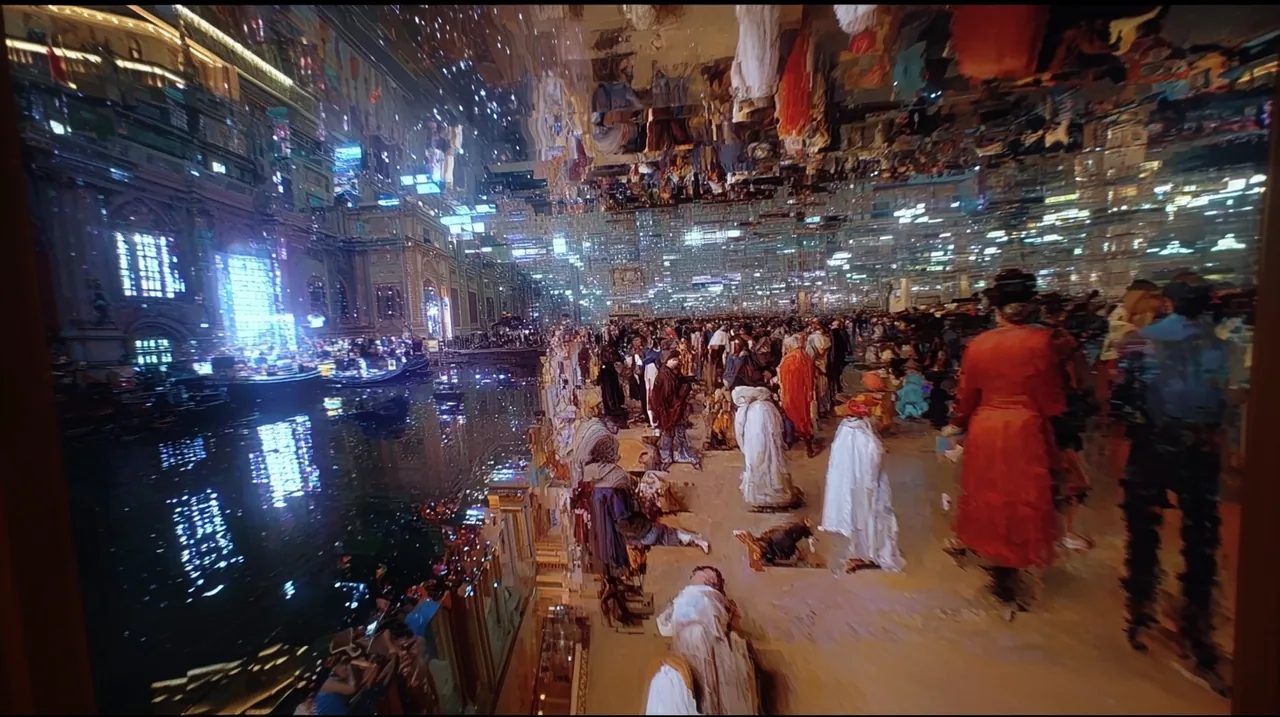
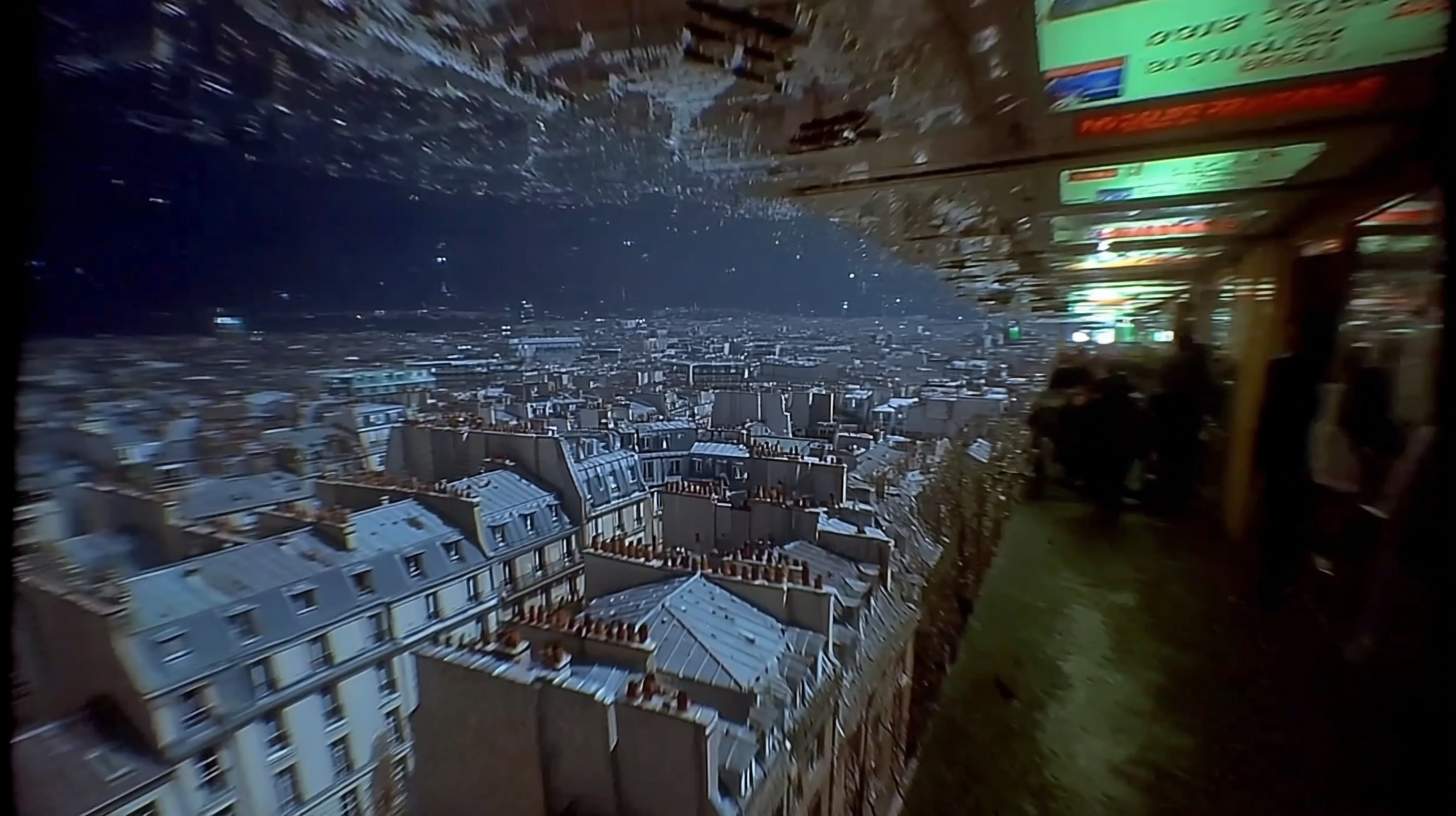
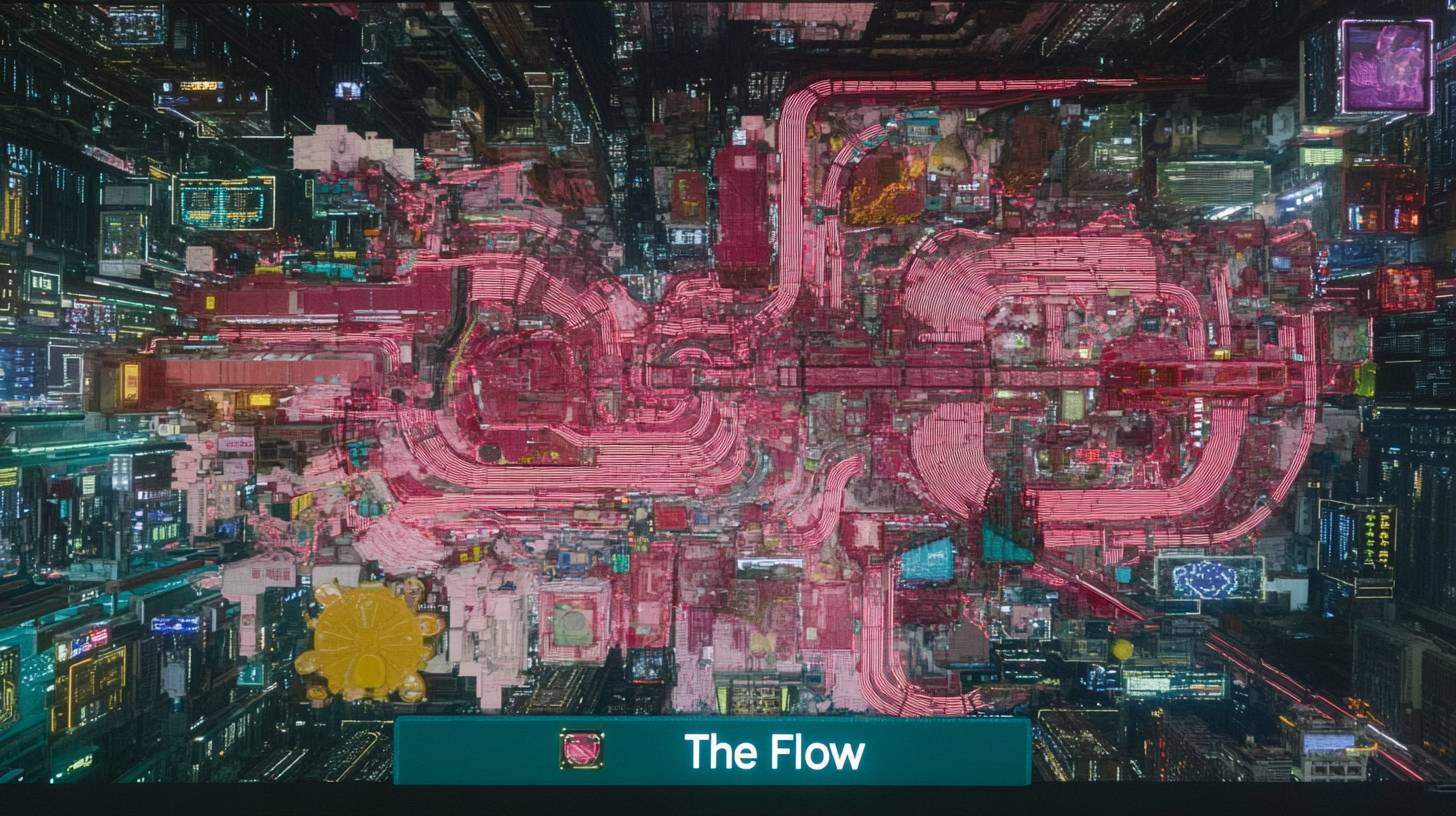
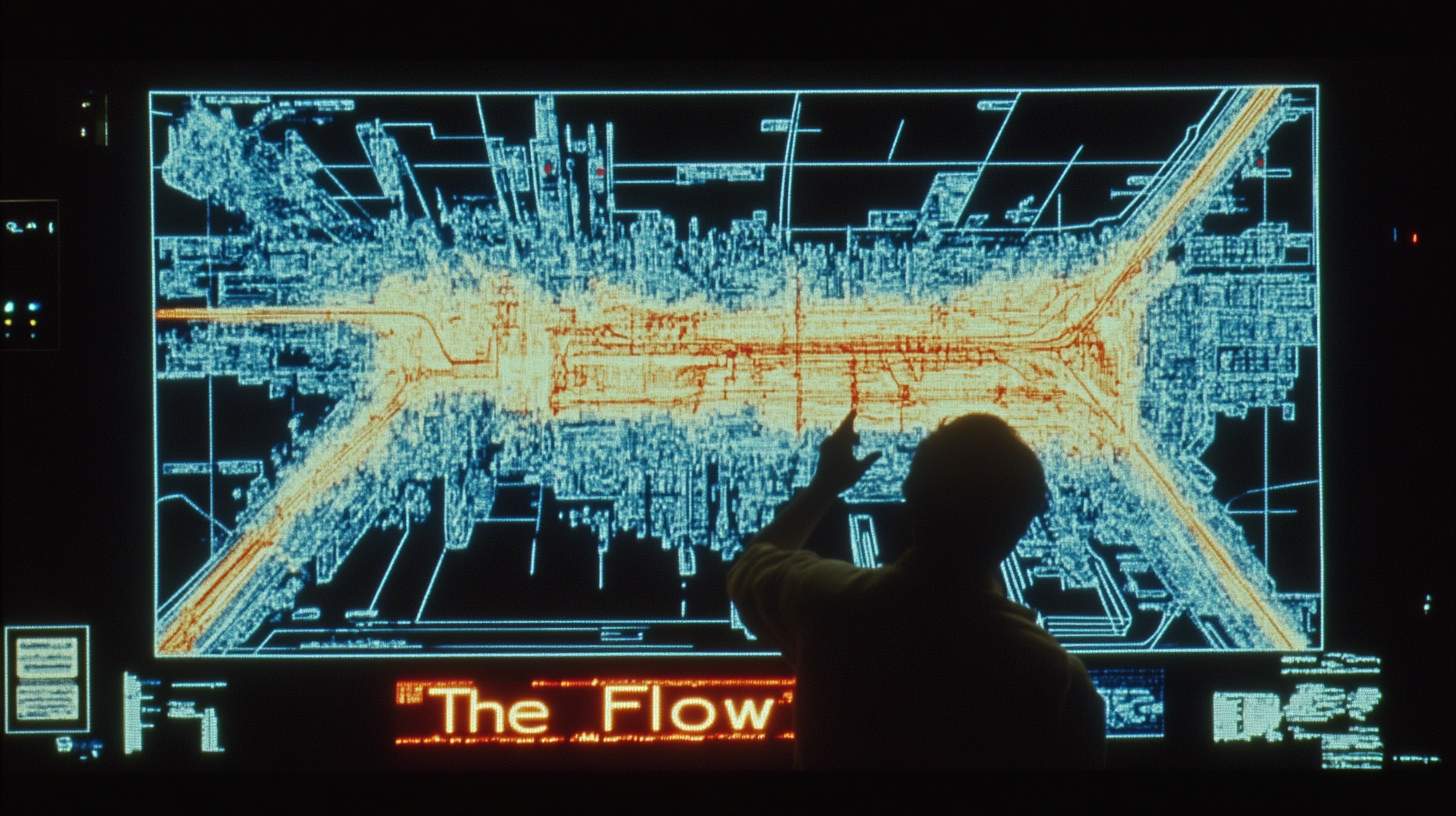
Artificial imagination opens the possibility of another regime of images. Within the flow of consciousness, one form drifts into another, a place unfolds into a memory, a face dissolves into a landscape. AI models allow images to be understood as positions within a latent space, connected through invisible proximities. Moving from one image to another no longer requires a cut, but a displacement within this space: a process of continuous transformation. The image becomes a trajectory.
This regime of metamorphosis seems closer to the way consciousness actually unfolds: not as a sequence of fragments, but as a field of ongoing transformations. The challenge for cinema to come may no longer be to edit images, but to learn how to navigate within them.
INCOMPLETE IMAGES, LIKE MEMORY
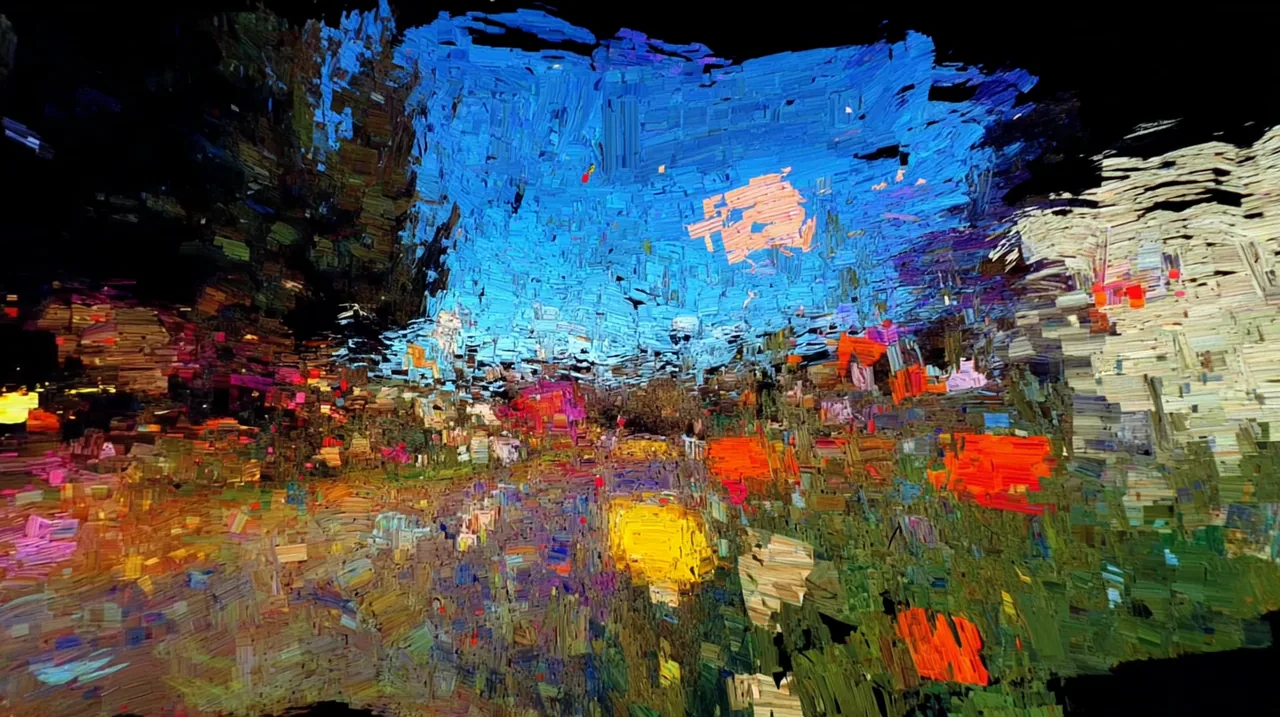
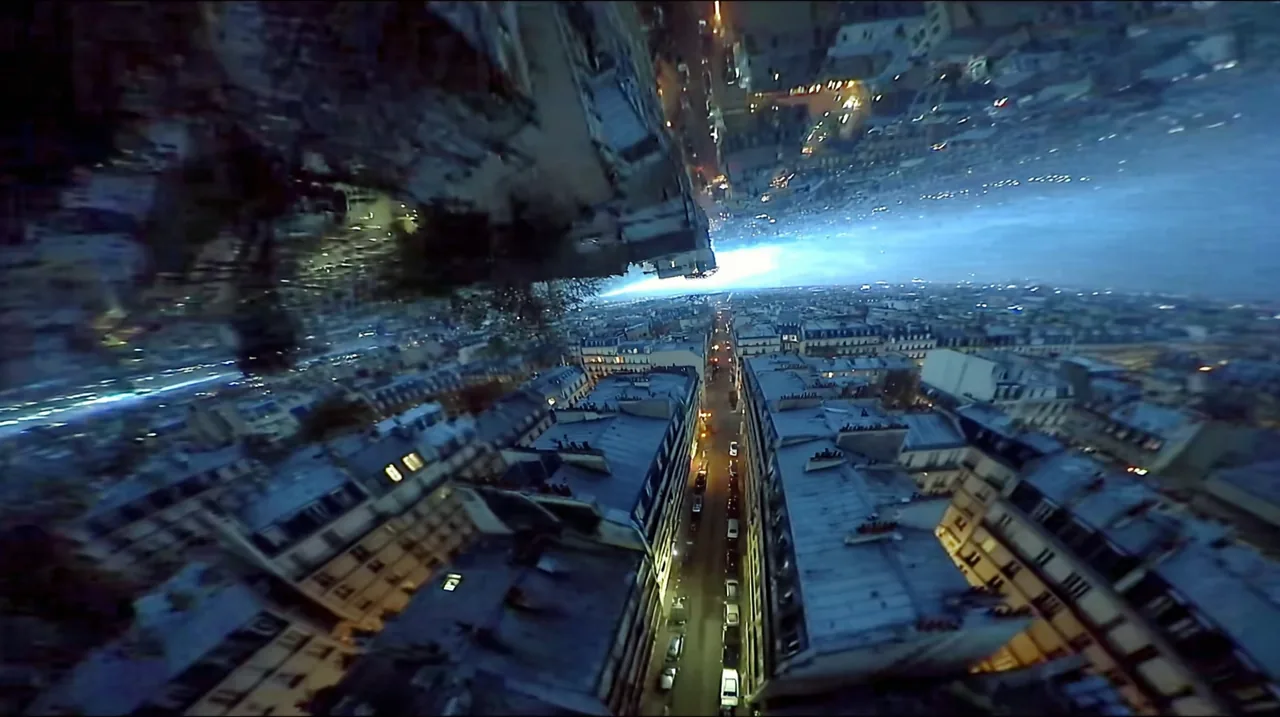
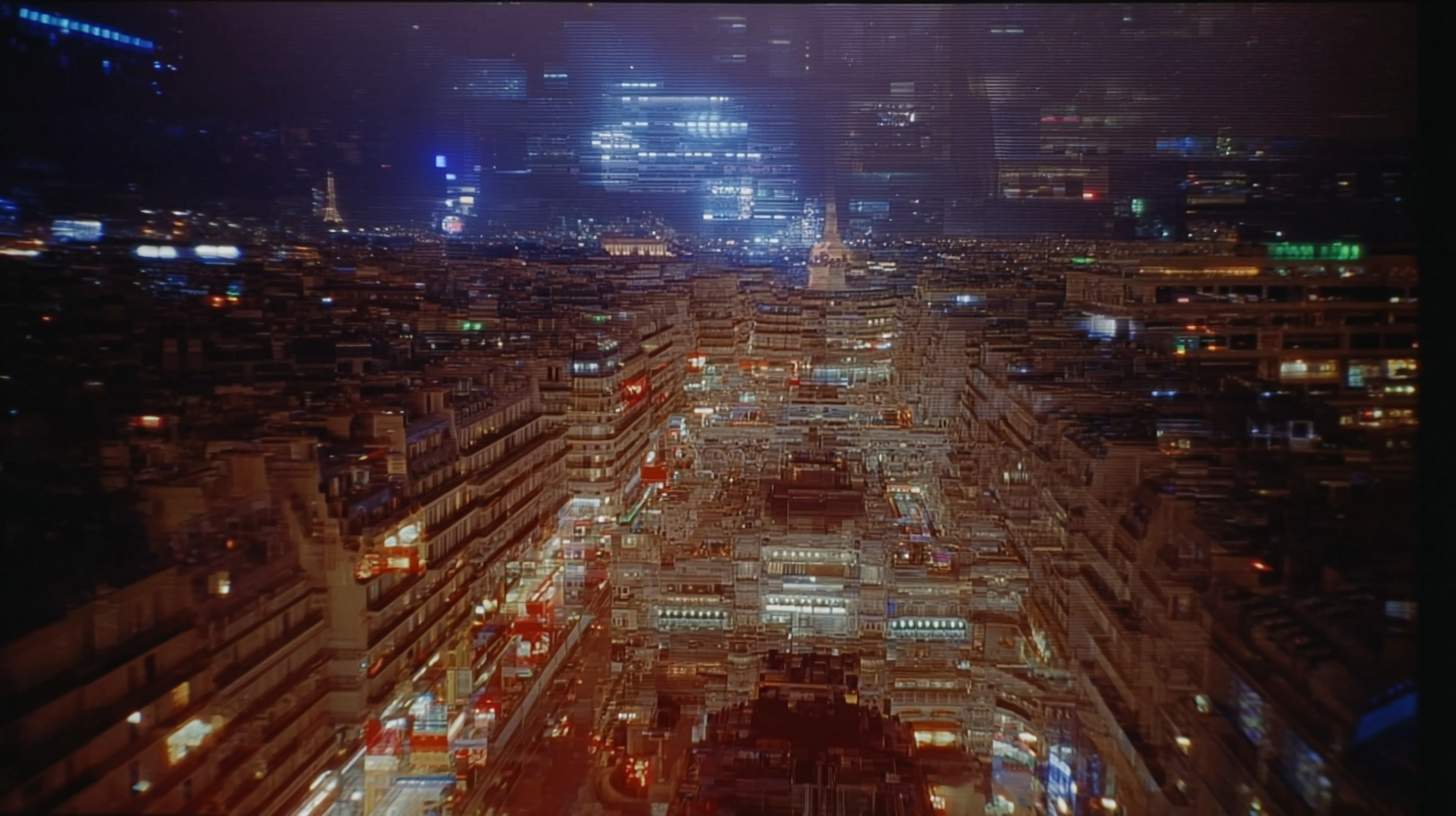
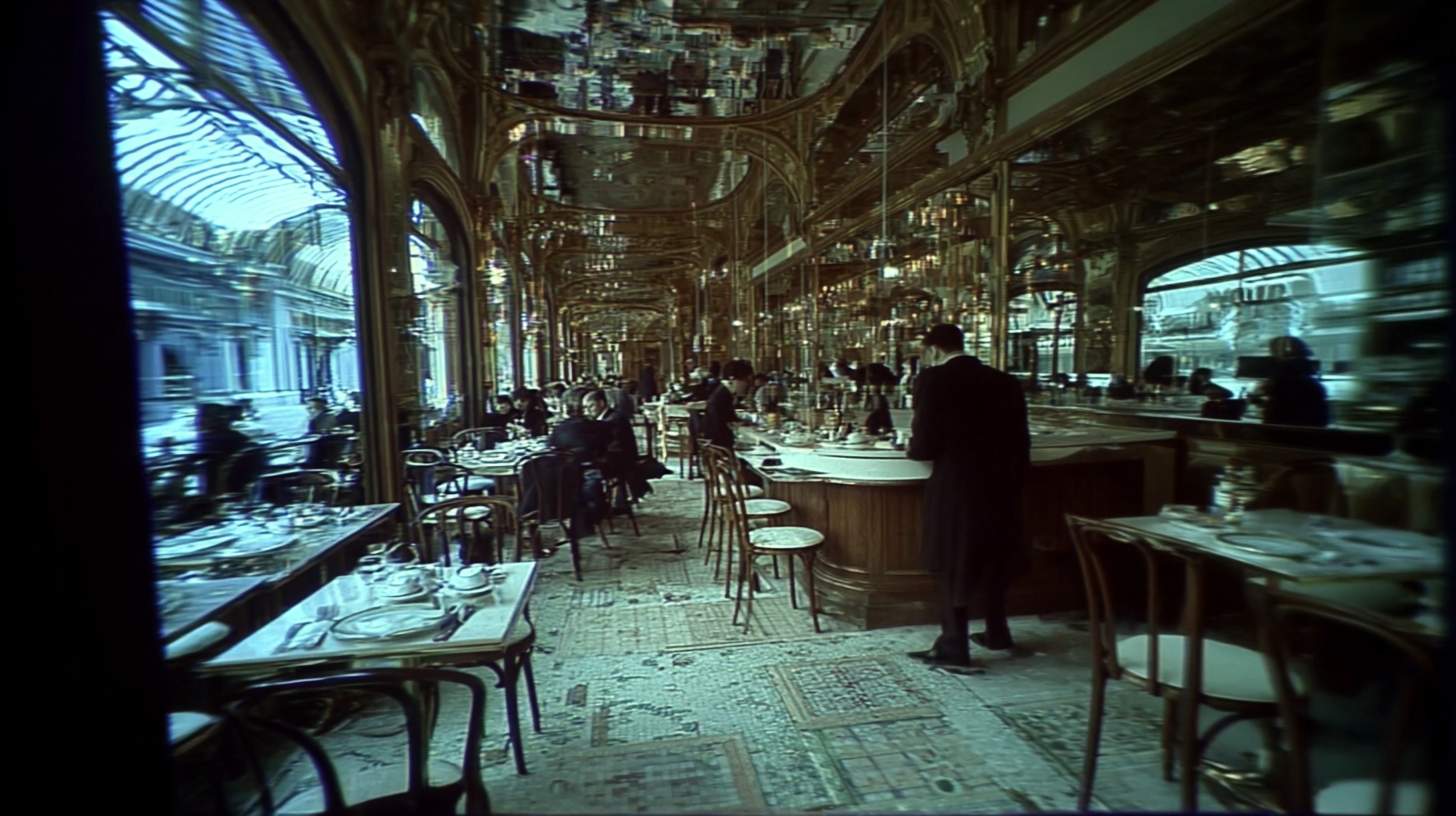
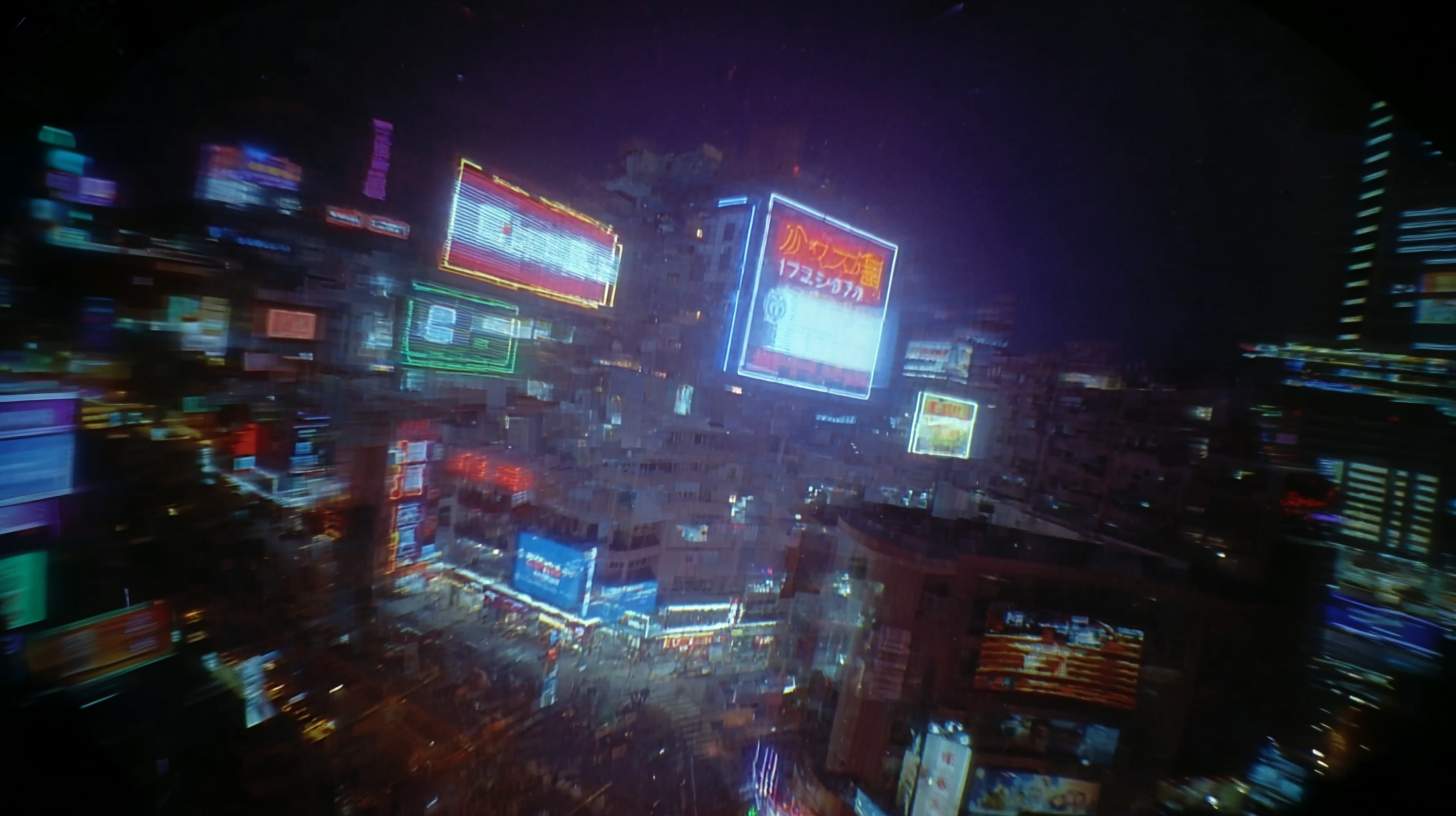
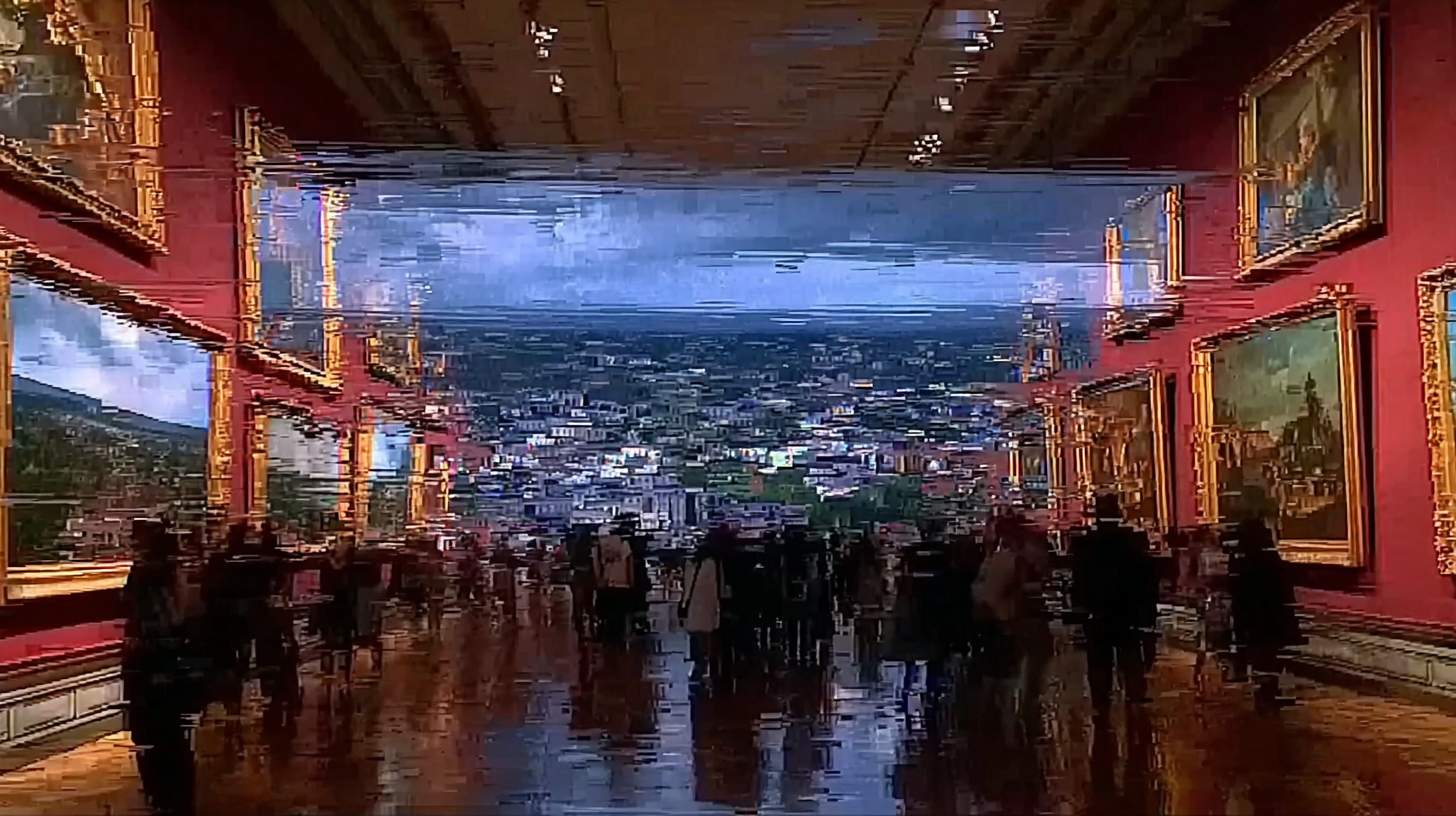
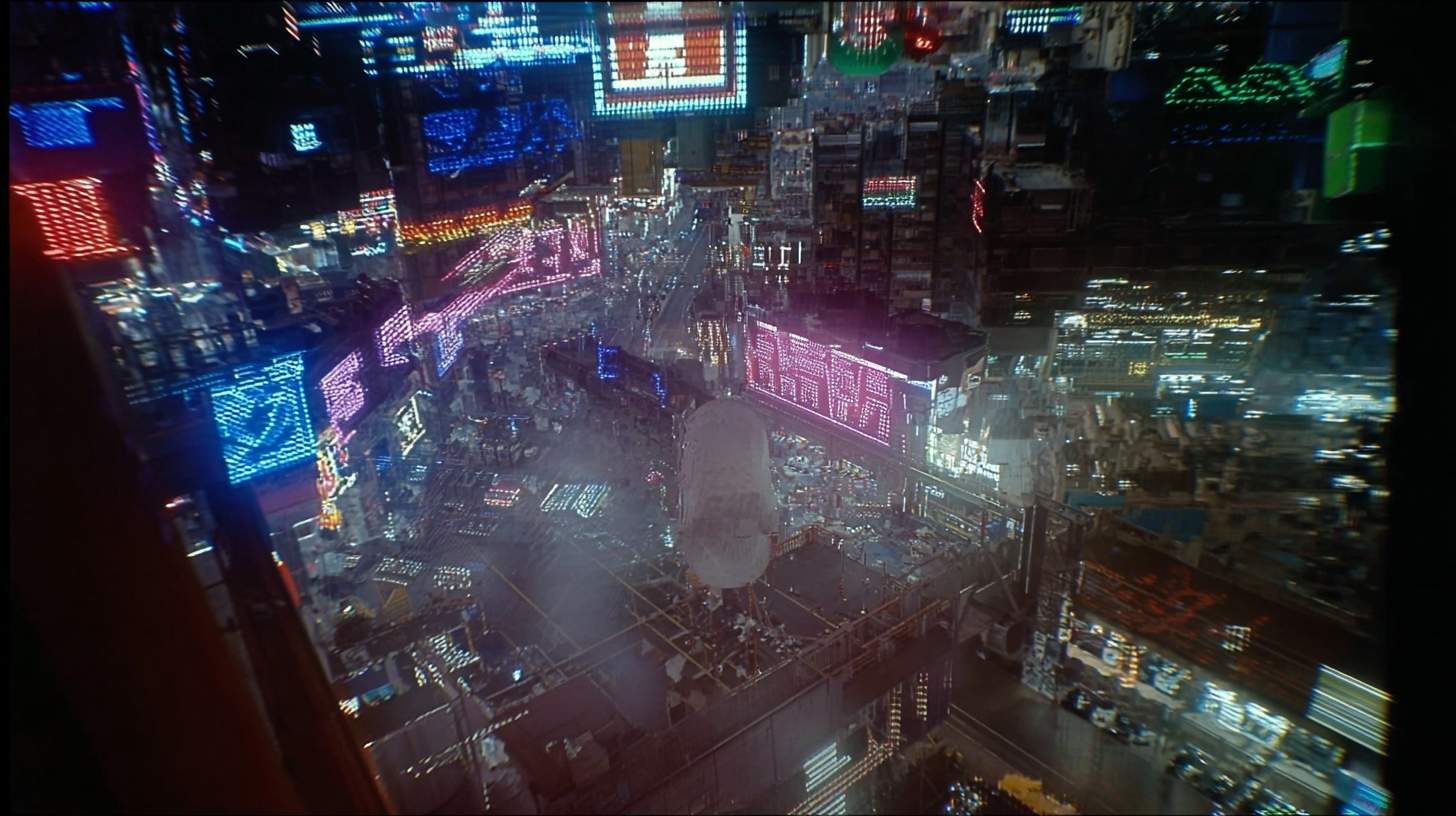
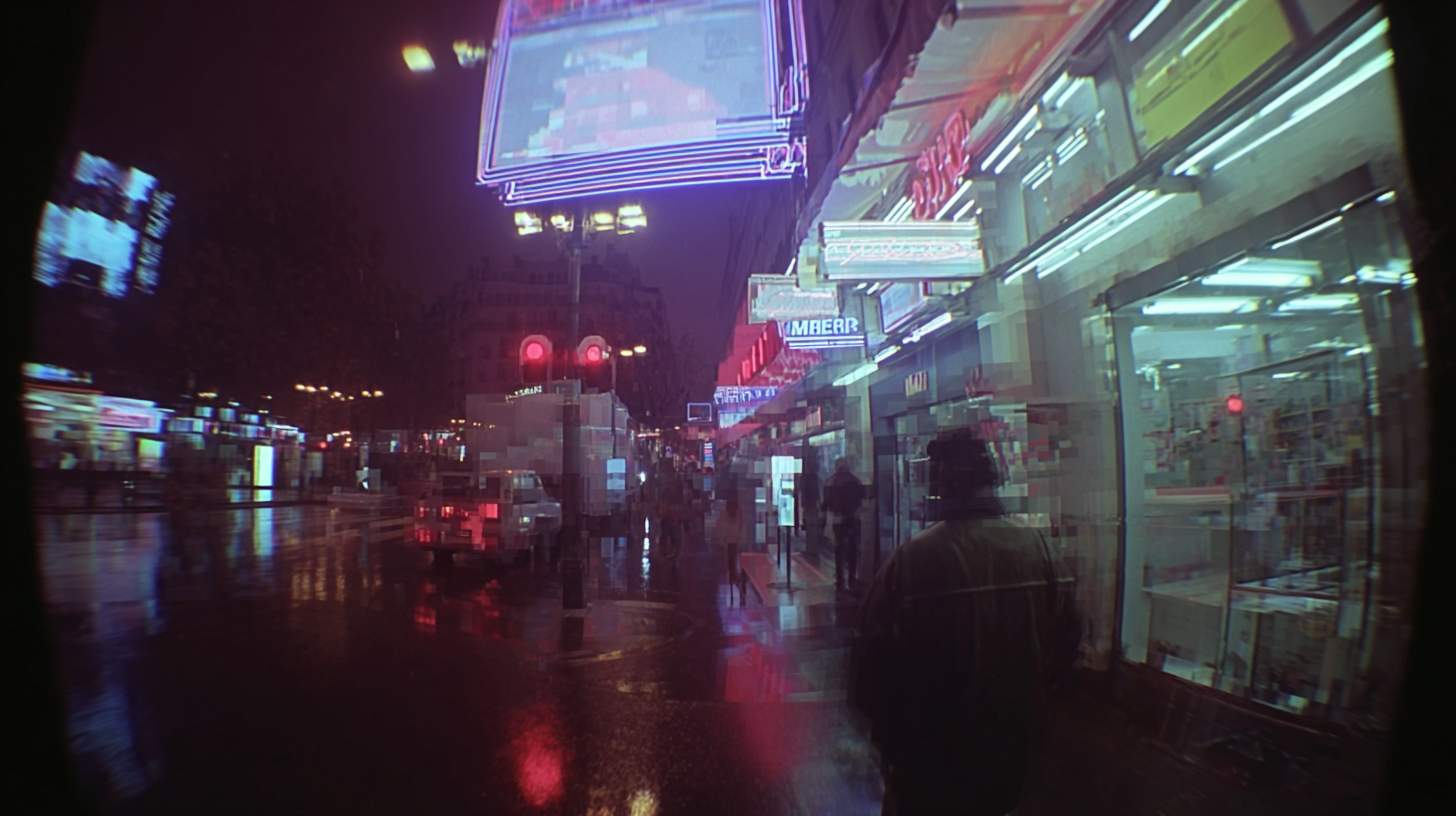
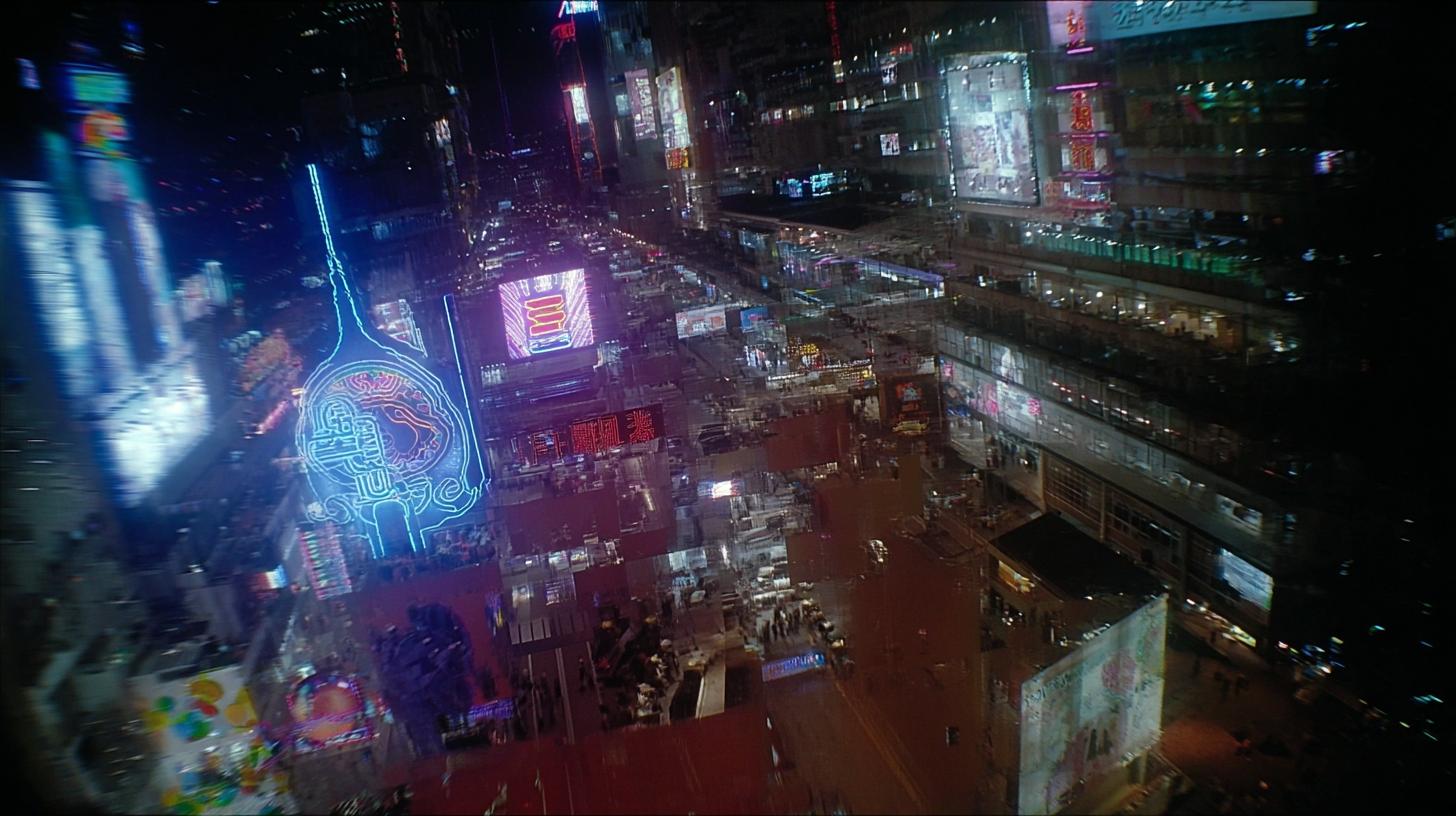
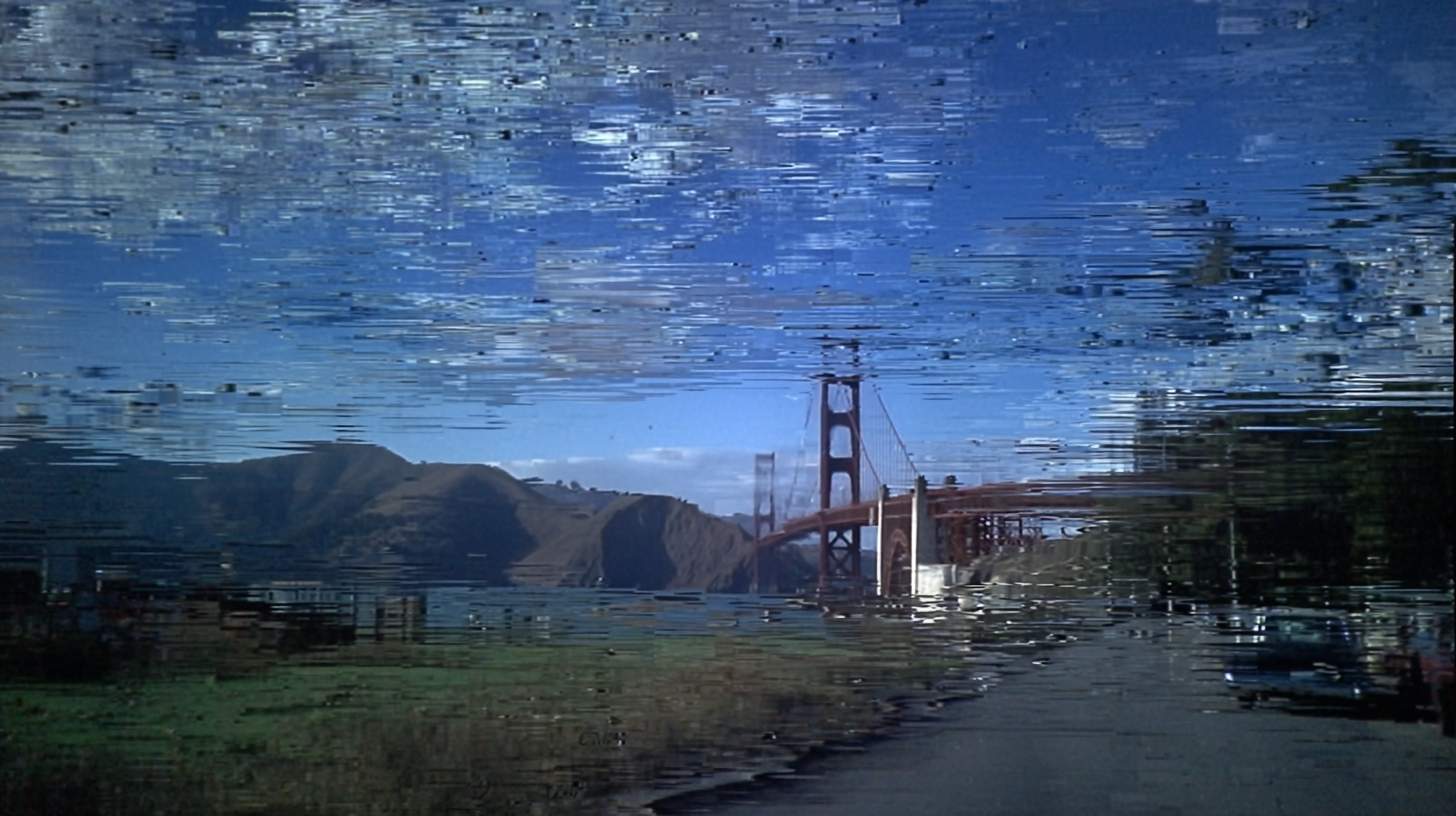
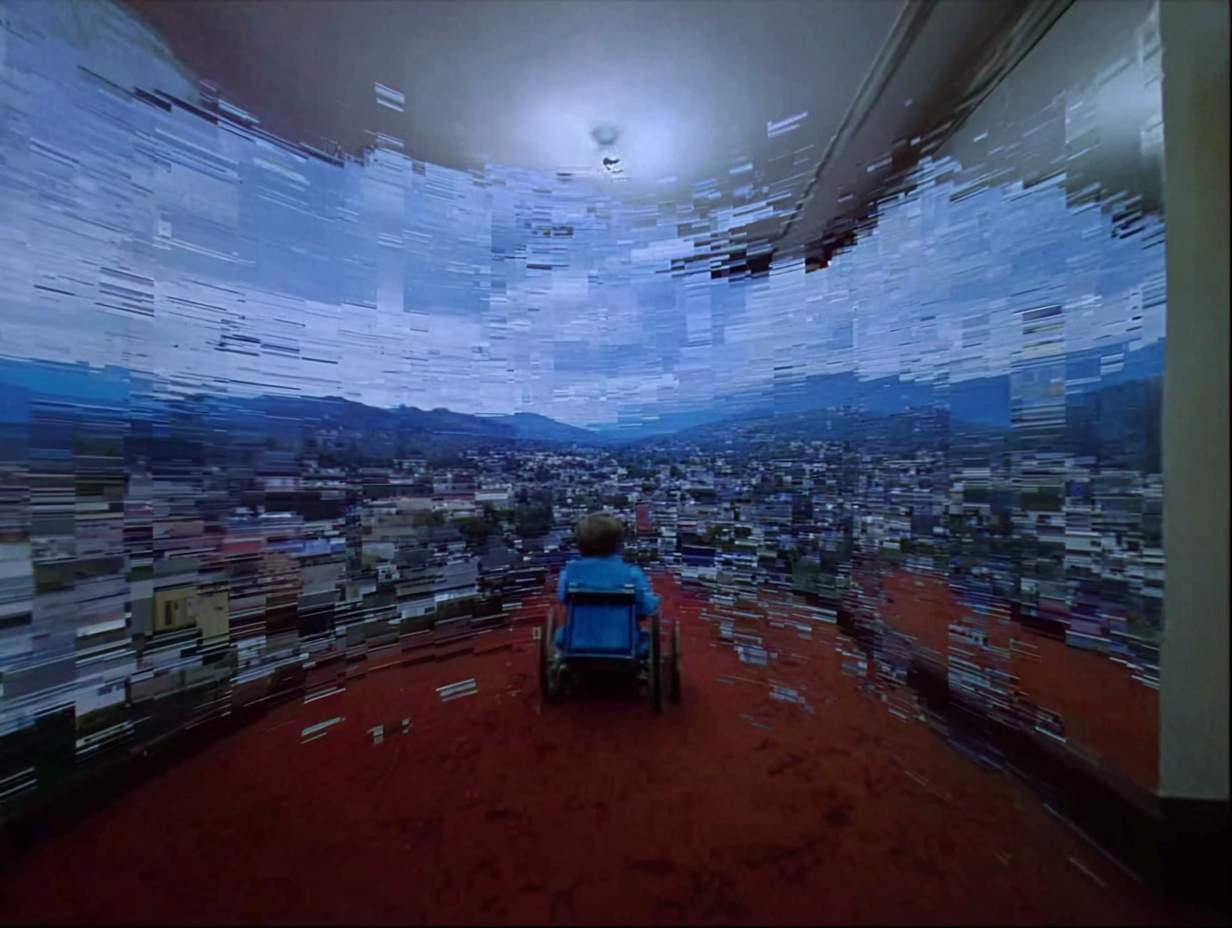
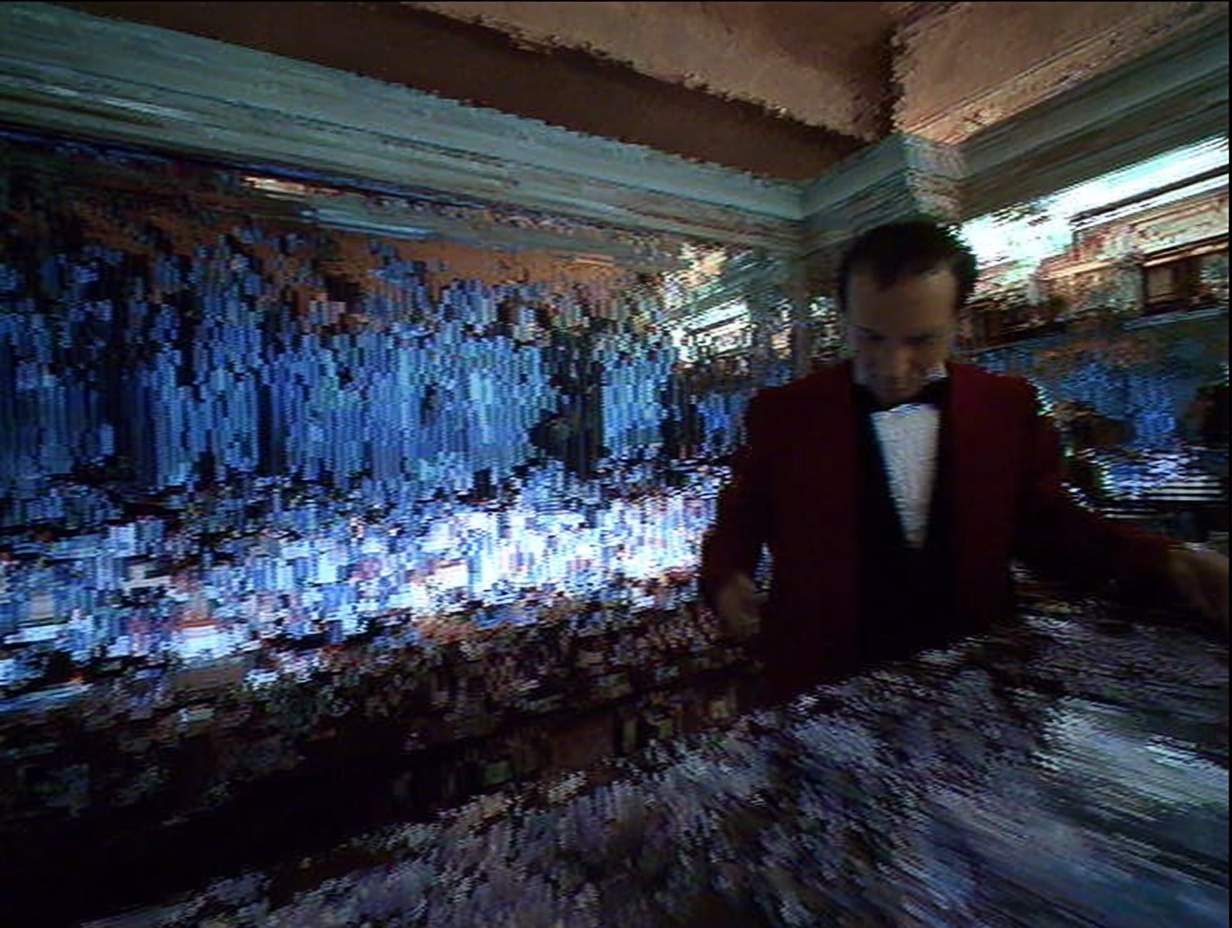
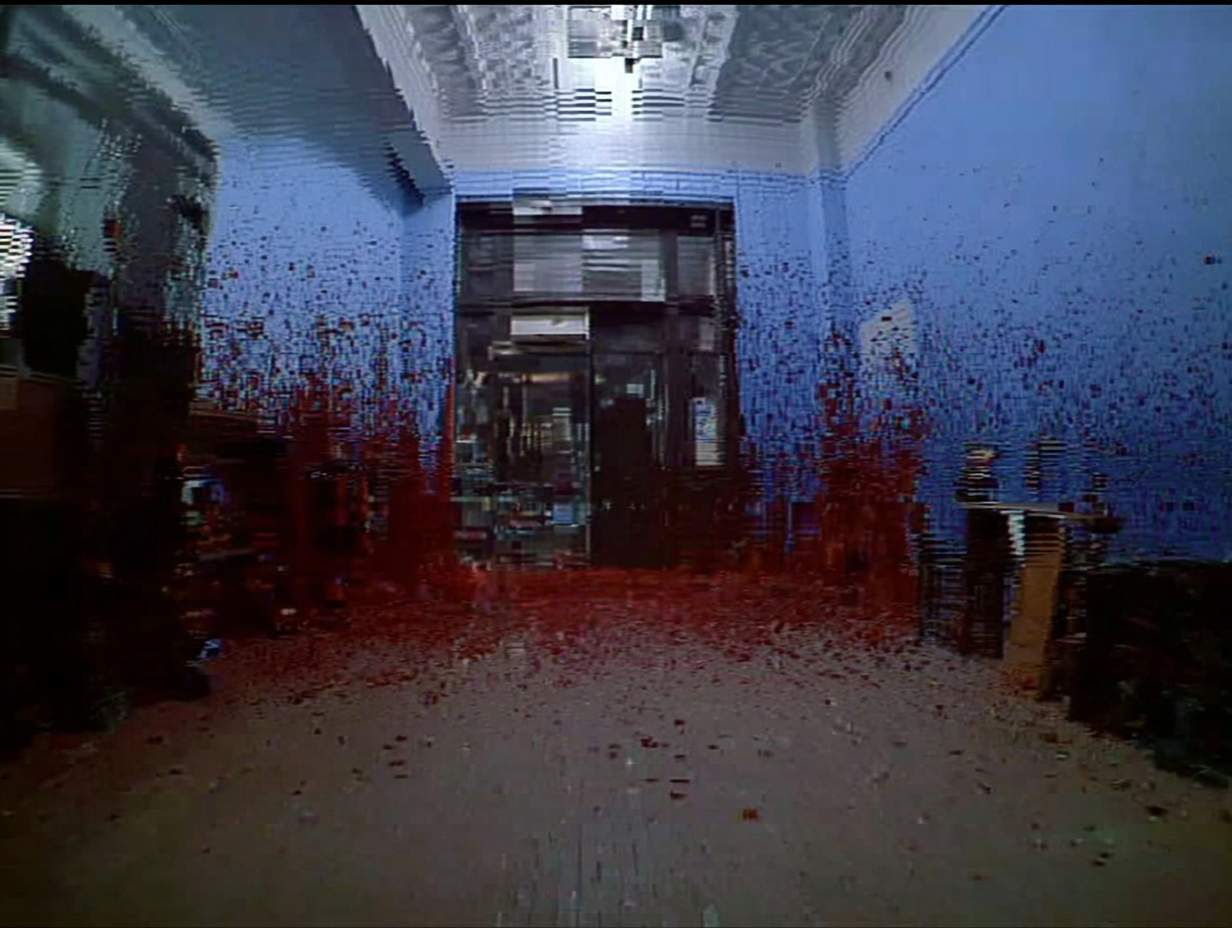
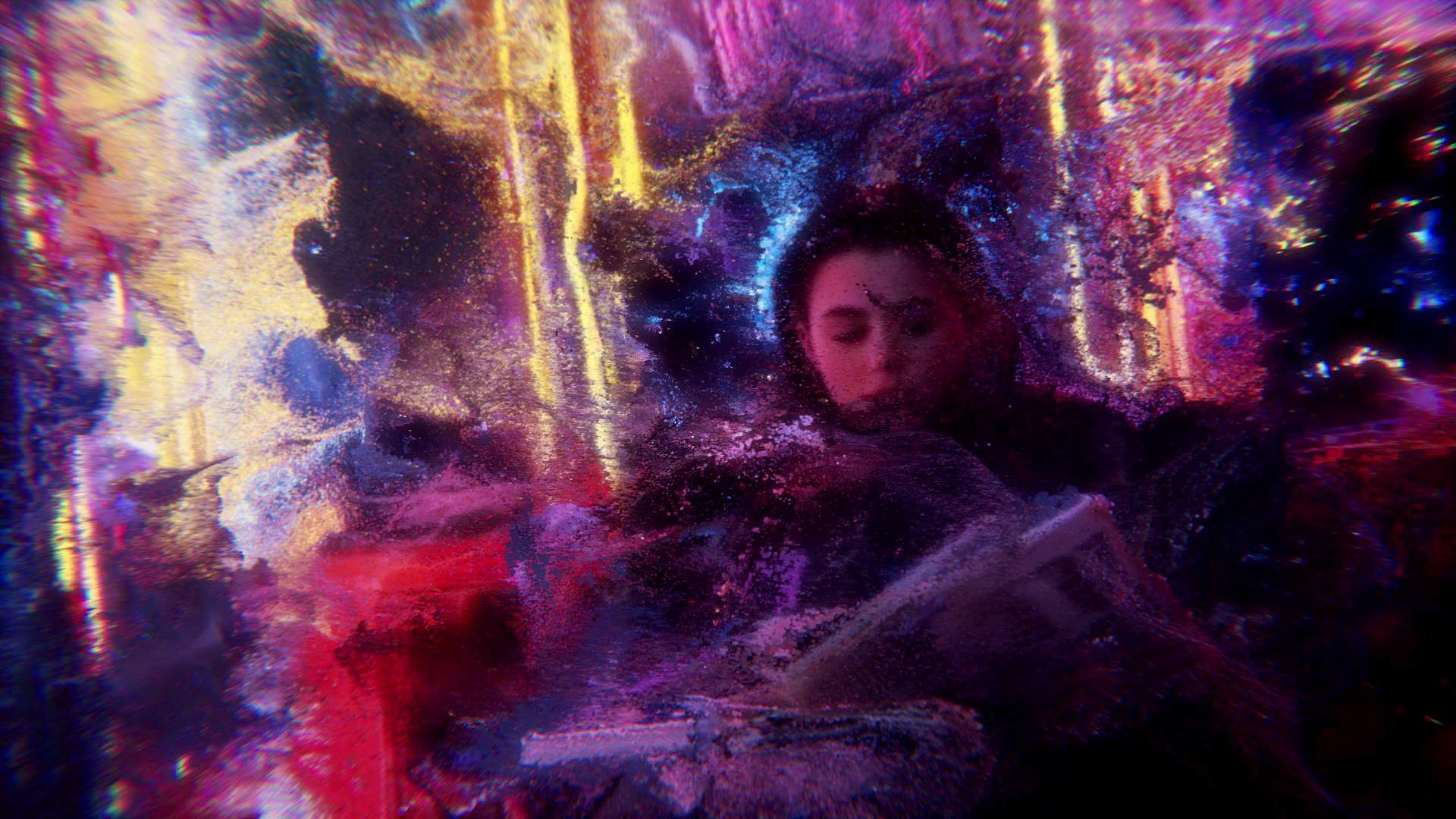
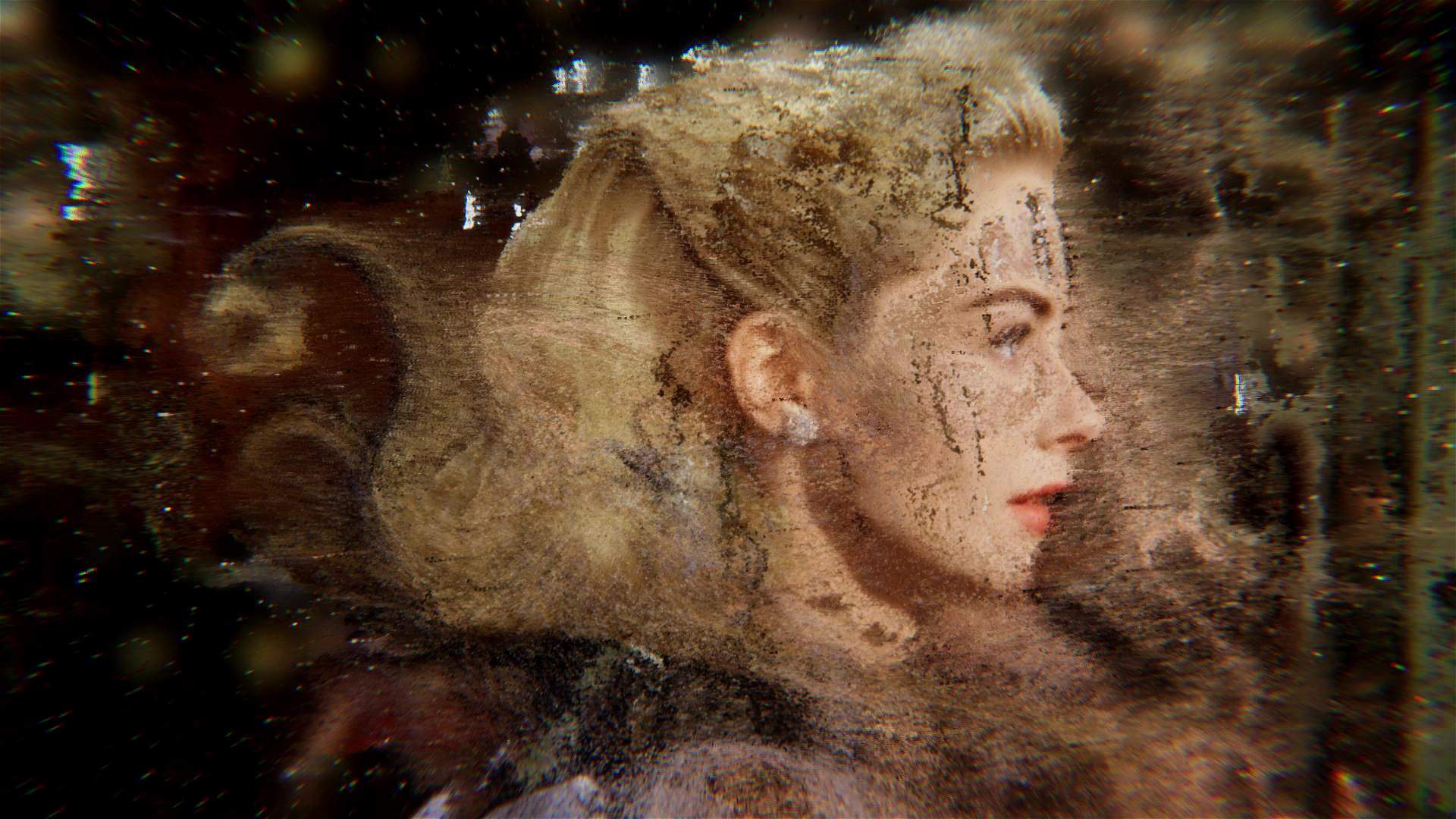
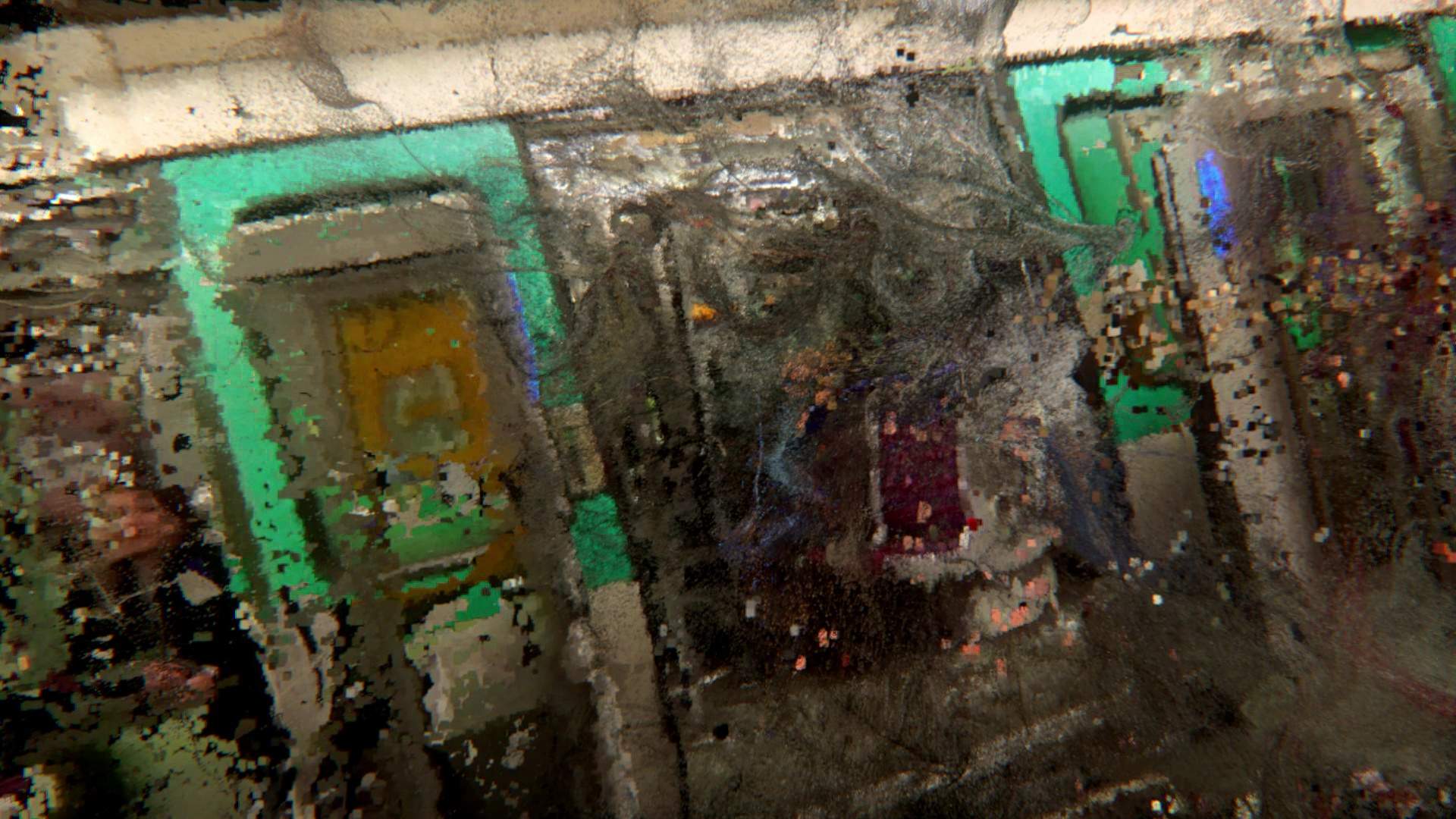
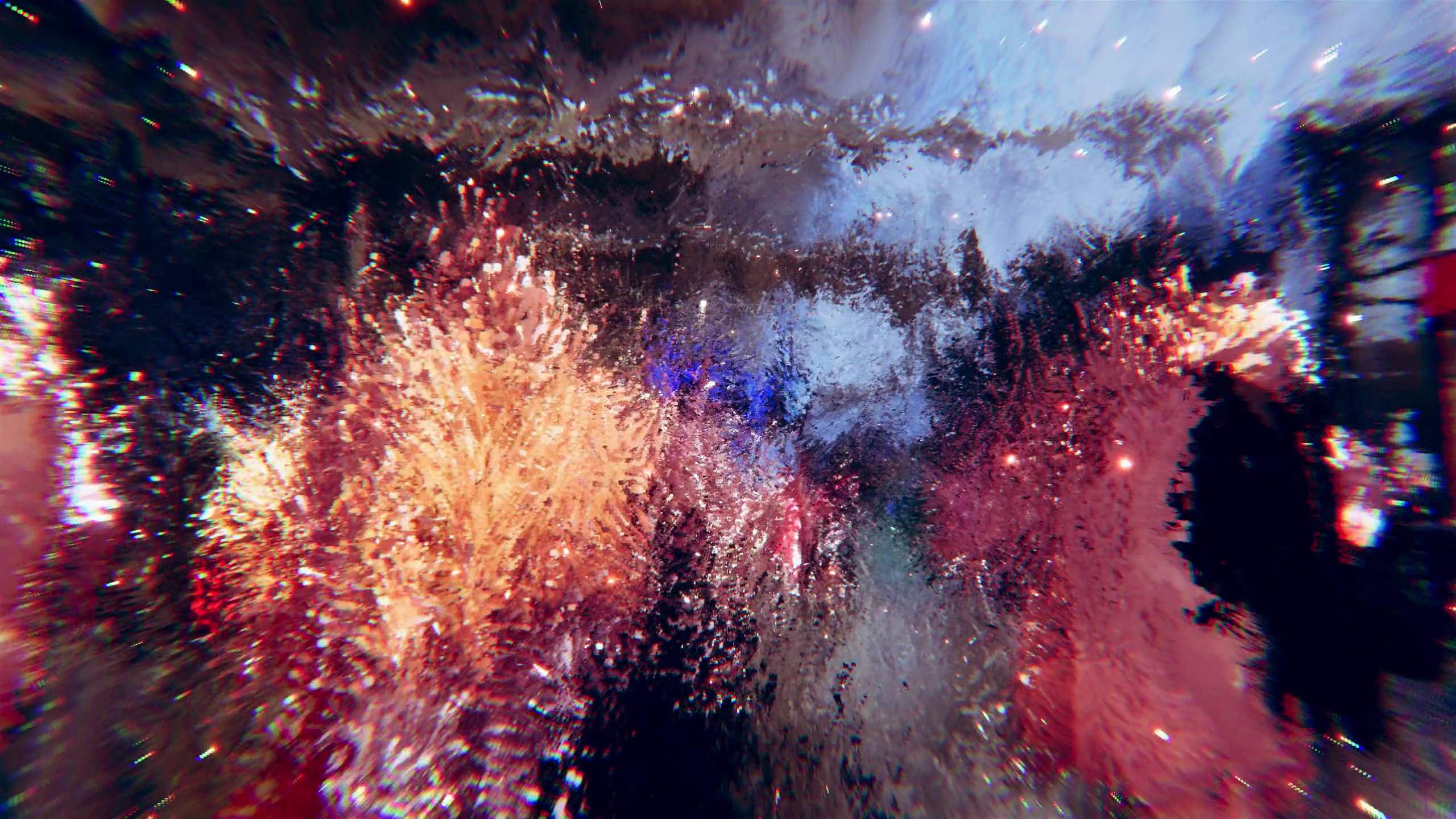
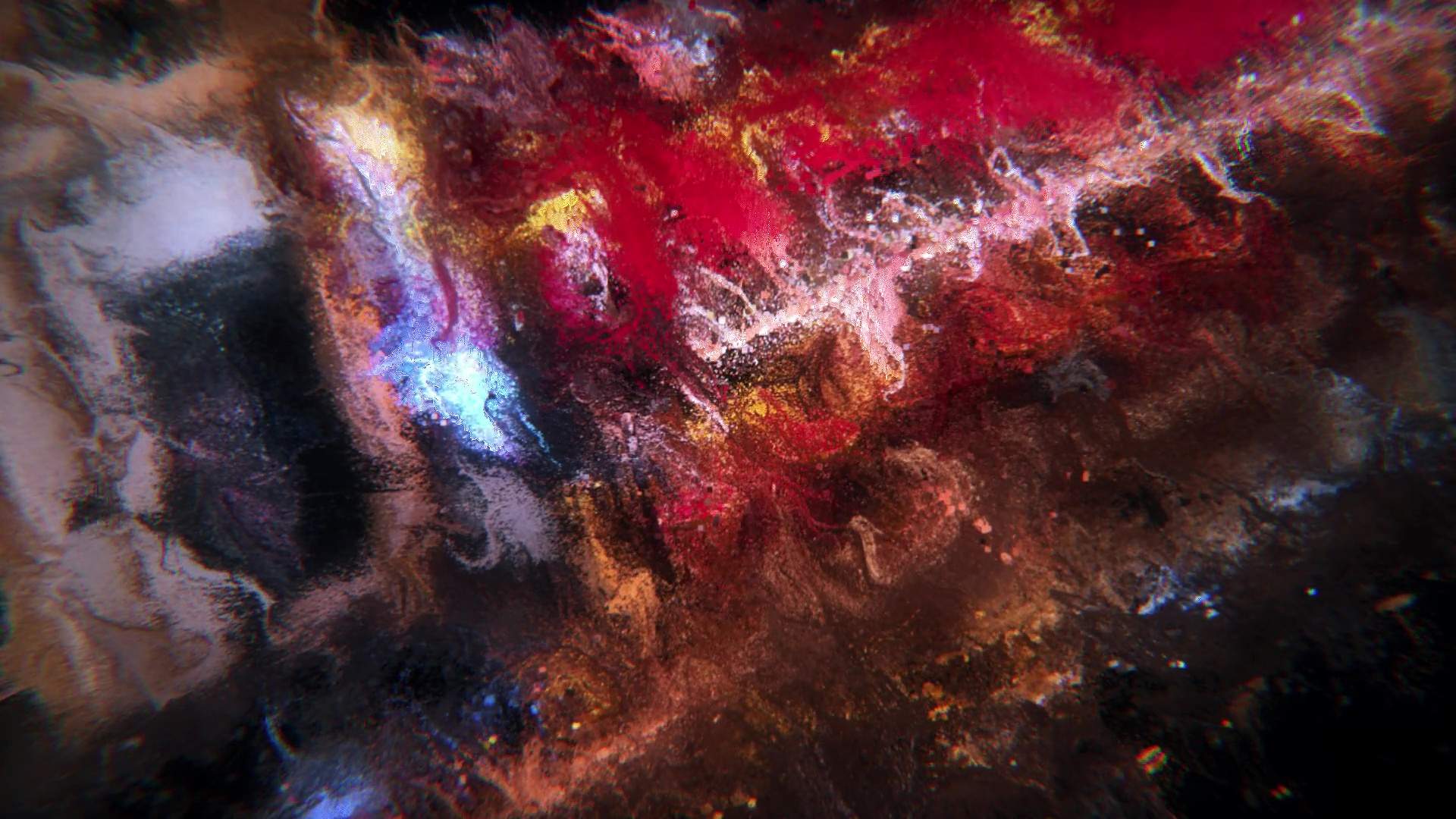
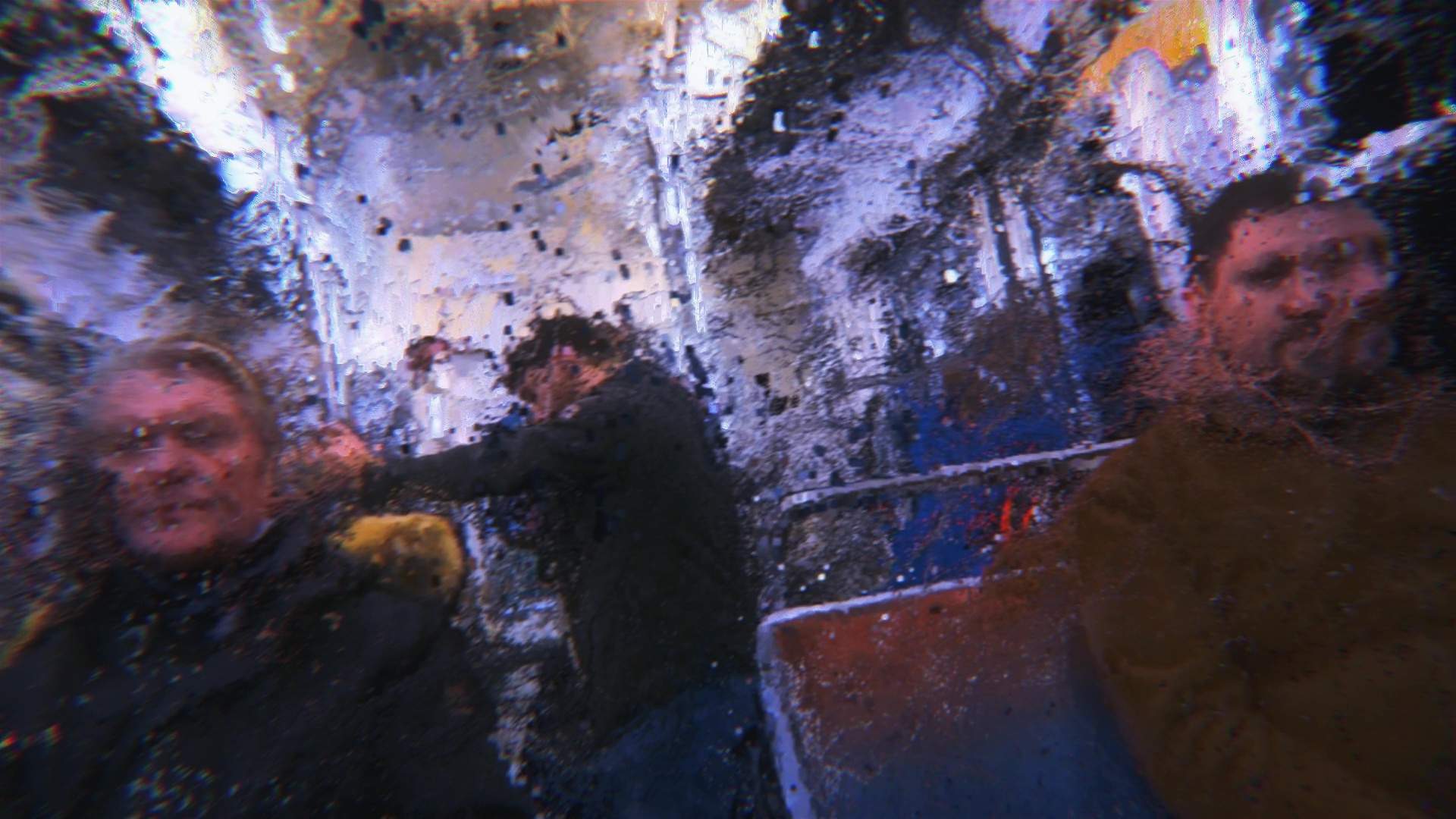
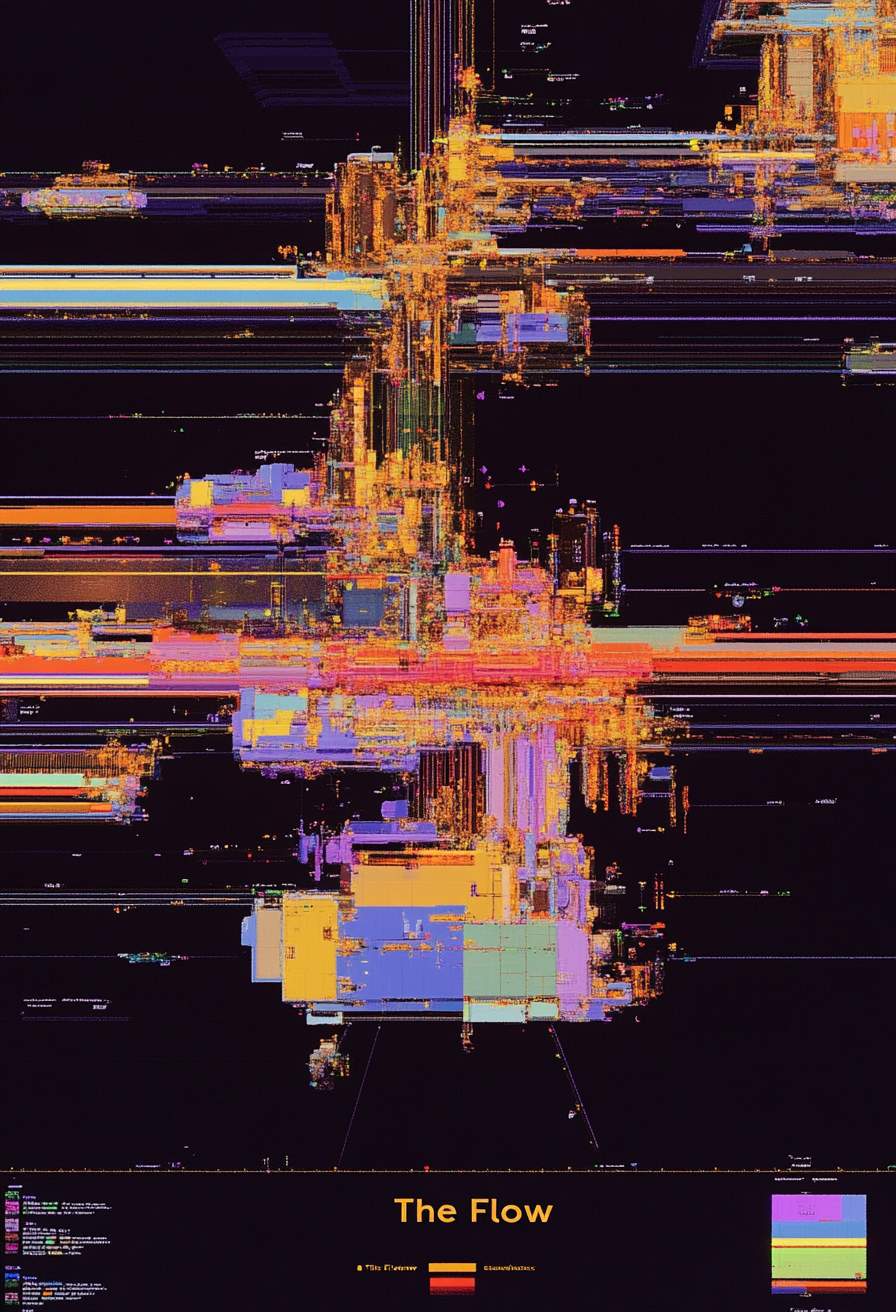
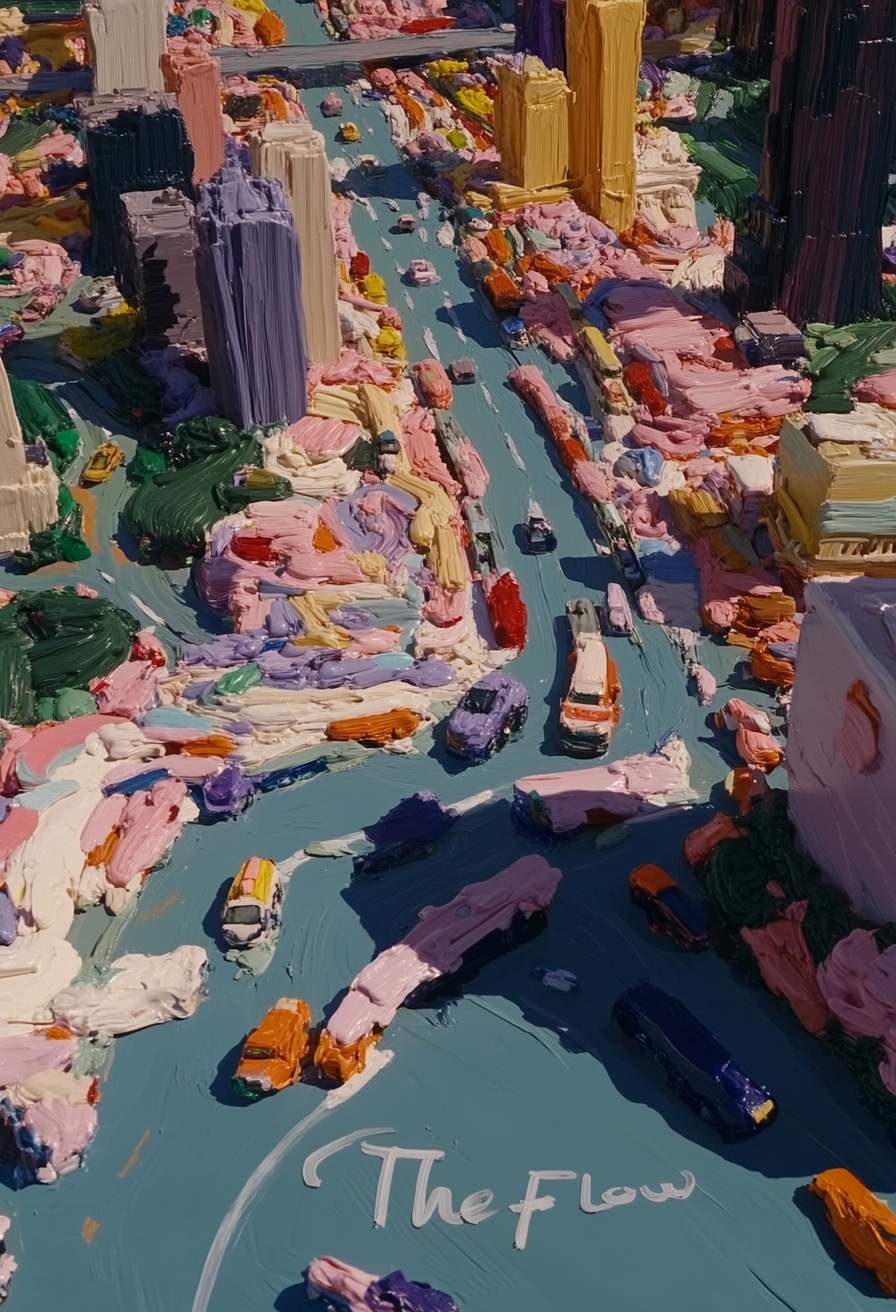
To make this regime perceptible, The Flow mobilizes a hybrid grammar of images: 3D scans, point clouds, volumetric video, gaussian splatting, AI-generated imagery. These forms are not effects, but image-states. They are incomplete, unstable, suggestive, close to the way memories appear: fragmentary, partial, always in recomposition. The image becomes a process rather than an object. It allows multiple temporalities, states, and intensities to coexist.
A DRIFT THROUGH REGIMES OF TIME
The film unfolds as a continuous drift over 24 hours, where consciousness moves through different regimes of experience. This approach draws on a lineage that runs from Baudelaire, with the figure of the wanderer shaped by the shocks of modernity, to Walter Benjamin, for whom the city becomes a space of image-constellations, where the past surfaces within the present. Here, the drift is not narrative, but perceptual: it follows the displacements, suspensions, and bifurcations of the mind.
It is structured around three regimes, Inferno, Spleen, Ideal, not as distinct chapters, but as simultaneous layers of experience. Inferno refers to a saturated, homogeneous time, filled with flows of images, information, and automatic gestures. Spleen opens zones of suspension and drift, where perception becomes floating and fragmented. The Ideal emerges as moments of temporal condensation: instances of grace, persistent images, fragments of utopia. The film moves between these states without ever settling, constructing an experience where they overlap, contaminate one another, and constantly recombine.
A NEW KIND OF CINEMA, MADE POSSIBLE BY WEB3
The Flow is an ambitious project, both in duration and in its research and production demands. It requires time, experimentation, and a high degree of formal freedom. For this reason, it is developed as an independent work, outside traditional production structures. Web3 opens the possibility of a different model: direct funding, without intermediaries, supported by a community.
By supporting the project, you are not only helping to produce a film; you are participating in the emergence of a new form of cinema, capable of exploring the flow of contemporary consciousness.
The Theory behind The Flow
A Structure of Consciousness
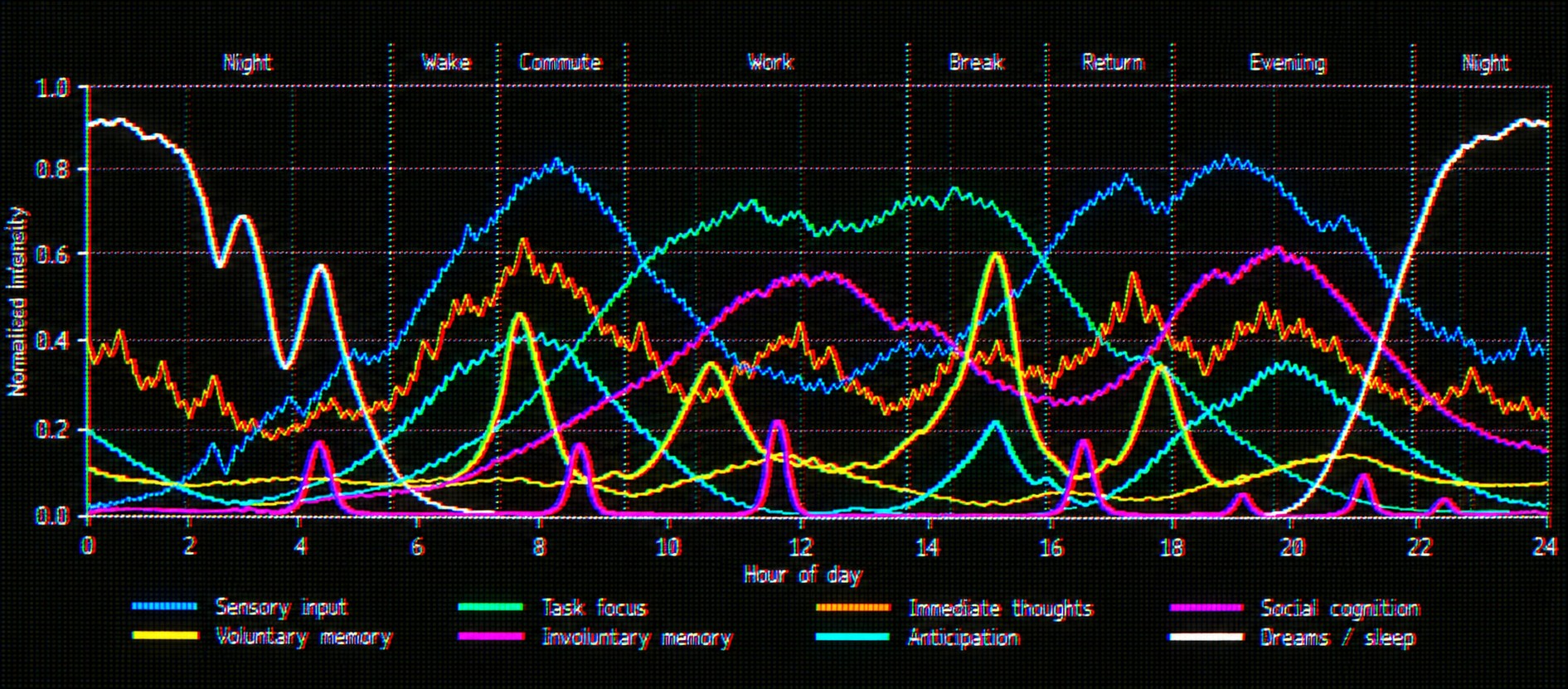
The Flow is conceived as a twenty-four-hour cycle in which each moment of the day corresponds not only to a temporality, but also to a particular state of consciousness. The film does not consider time as a simple chronology: each hour has its own psychological density, its own specific relation to perception, memory, History, melancholy, dream or desire.
Behind the continuous movement of the film lies a system of correspondences in which hours, states of consciousness, temporal regimes, spaces, images and modes of transformation are conceived in relation to one another. What appears as a continuous flow therefore rests on an invisible architecture that organizes the whole without ever imposing itself directly on the viewer.
In this respect, The Flow shares something with the construction of James Joyce’s Ulysses. The unfolding of a single day is supported by a vast system of correspondences between hours, places, colours, symbols, disciplines and narrative forms. This structure remains largely invisible in the experience of the novel, yet it profoundly organizes its movement.
The Flow transposes this principle into moving images: the twenty-four hours become a score through which different forms of consciousness and different experiences of time can emerge.
The Plurality of Time
Consciousness does not experience time in a strictly chronological way. As we walk through a city, perception constantly shifts between what is immediately present and what is absent: a building triggers a memory, a face recalls another, an image gives rise to a desire, while a street can suddenly carry the trace of an event that took place decades earlier. Attention drifts, returns, anticipates and remembers.
Several temporalities can therefore coexist within a single instant. The present is continuously traversed by other times: personal memories, involuntary recollections, historical images, imagined futures, melancholic returns, dreams or unrealized possibilities.
The Flow is built from this coexistence and seeks less to separate these temporalities than to let them penetrate one another. Editing no longer relies solely on the cut: an image can gradually drift into another, contain it, transform it or allow a new one to emerge.
Metamorphosis thus becomes a way of rethinking montage itself.
The City as Memory
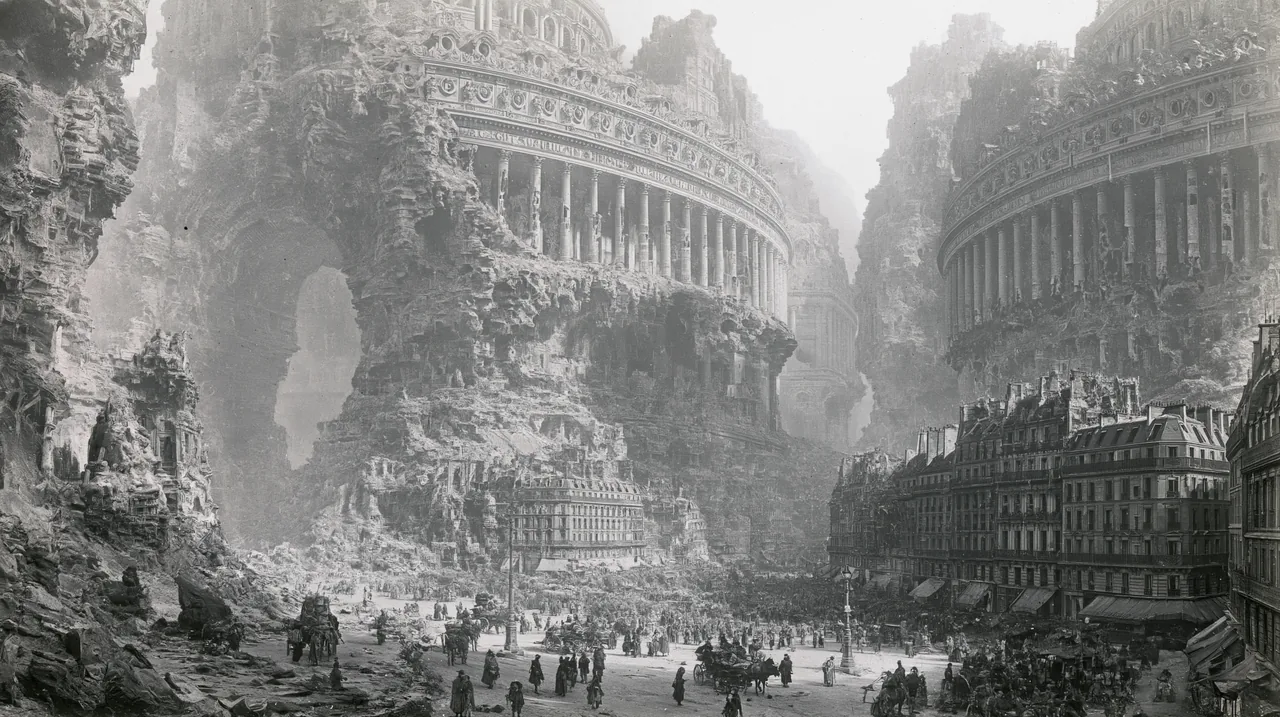
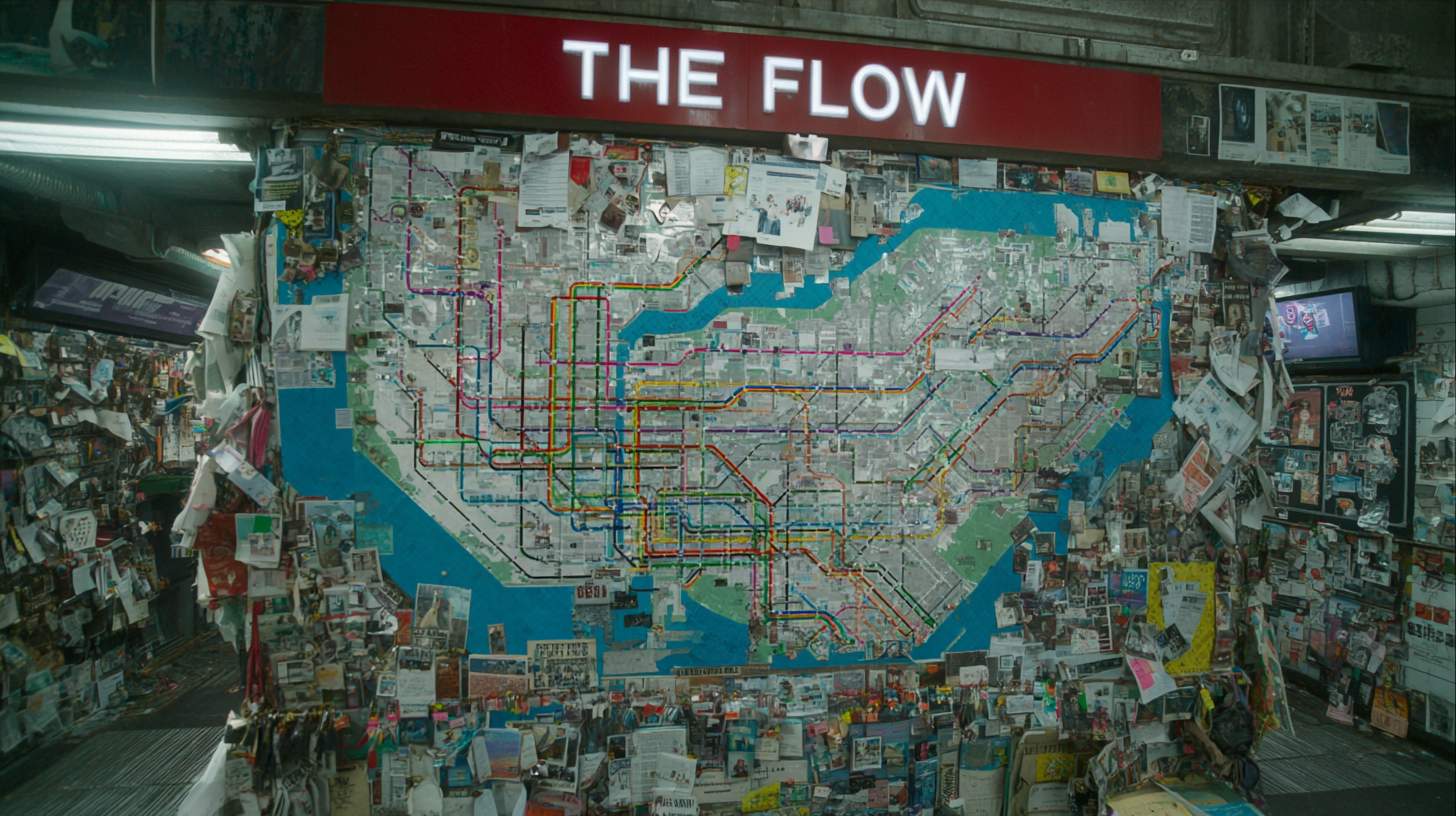
The city is never treated as a simple backdrop. Streets, buildings, ruins, monuments, advertisements, crowds and architectures are understood as surfaces of memory, crossed by different eras that never entirely disappear but leave behind material traces, images, gestures and forms.
A contemporary street can therefore reveal another city beneath it; an ordinary perception can open onto an archive; an architectural fragment can become the threshold of a memory that exceeds individual experience.
This conception resonates with Walter Benjamin’s thought, in which the past is not a territory definitively separated from the present, but something that can suddenly erupt within it. Distant temporalities can meet within a single image and produce a new constellation of meaning.
The consciousness explored by The Flow is located precisely within this space of circulation between intimate experience and collective memory.
Regimes of Consciousness
The film is structured around three major regimes: Inferno, Spleen and Ideal. They are not distinct chapters, but states that run throughout the twenty-four-hour cycle, overlapping and changing in intensity according to the moment of the day.
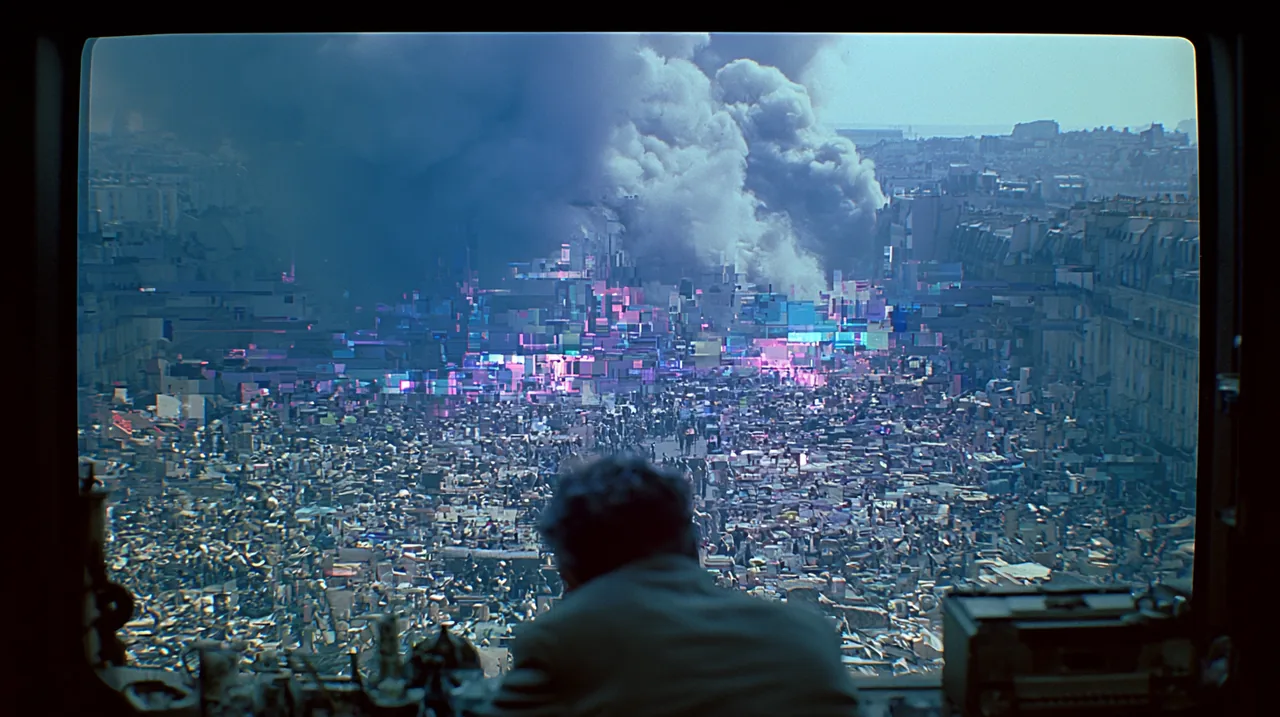
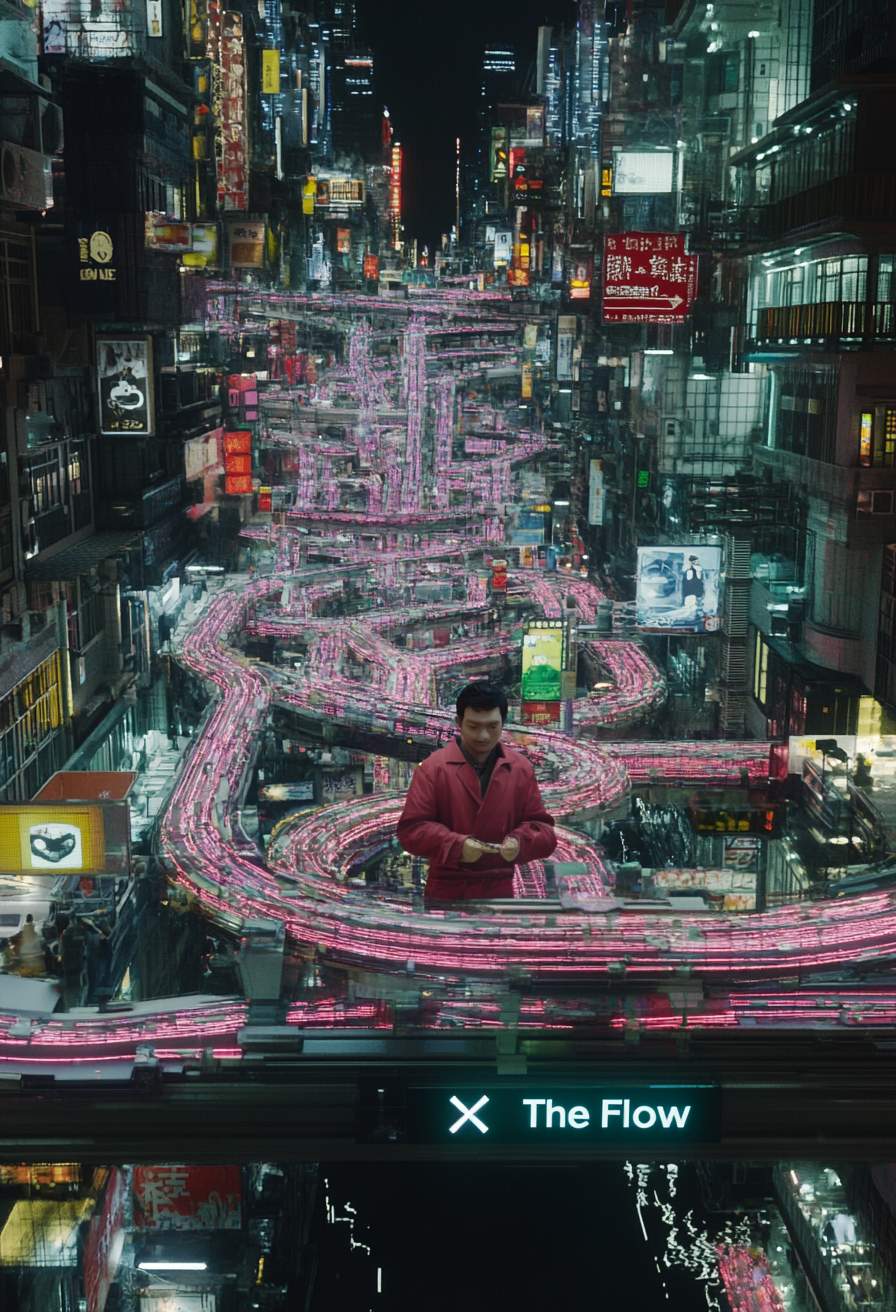
Inferno is the regime of the saturated present. The city, crowds, screens, transport, advertising and the accumulation of signs continuously solicit perception. Time accelerates, images follow one another, and consciousness is absorbed by the immediacy of the external world.
Spleen corresponds to a suspended time in which perception changes in quality. Light becomes spectral, places seem both present and distant, and reality takes on an allegorical dimension. The continuity of the world fragments into objects, architectures, memories and images that consciousness isolates, displaces and rearranges.
Ideal belongs more to the realm of projection. Consciousness moves away from immediate reality to open up a space of desire, dream, imagination and possibility. Forms can then transform, shift and tend towards other configurations of the world.
Individual and Collective Memory
One of the central hypotheses of The Flow is that the boundary between personal and collective memory remains porous. We remember through images that do not entirely belong to us and that have often been produced, transmitted or shared by others.
Cinema, photography, architecture, historical archives, advertising, television and digital images all contribute to the formation of our inner landscape. It is possible to experience a form of nostalgia before an image we never directly lived, to see a historical event enter our private imagination or, conversely, to attach a personal memory to a place crossed by millions of other people.
The stream of consciousness therefore also becomes a stream of images inherited from the world. At certain moments, an image from the past encounters the present and produces a new configuration in which several temporalities become perceptible at once.
It is precisely this encounter that The Flow seeks to make visible.
An Invisible Score
The twenty-four-hour structure can be understood as a score. Each period of the day establishes a particular balance between perception, memory, History, melancholy, dream, desire and projection. Some states intensify while others recede; their frequency, duration and visual language evolve throughout the day.
These states can nevertheless coexist within a single sequence. An immediate perception can drift into an involuntary memory, encounter a historical image, become a dream, then gradually return to the physical reality of the city. Other sequences may remain almost entirely anchored in the present or become progressively invaded by the past.
The aim is therefore not to establish rigid equivalences, but to build a system of correspondences, attractions and resonances capable of organizing the film while allowing images to circulate freely.
Exploring the Latent Space
Artificial intelligence is decisive within this system not simply as a tool for producing images, but because latent space offers a possible visual model of consciousness itself.
Within this space, images do not exist as entirely isolated objects. They belong to a field of potential relations in which one form can tend towards another through a multitude of intermediate states, and where two visually distant realities can reveal an unexpected proximity.
This property allows The Flow to imagine another form of montage, based less on juxtaposition than on continuous transformation.
This logic also resonates with Pierre Reverdy’s conception of the poetic image, in which the image emerges from bringing distant realities together and from the precision of the relation established between them. In Benjamin, fragments belonging to different historical moments can suddenly form a constellation.
The Flow translates these principles into movement, making the distance between two images into a space of transformation. A building can become a memory, a memory can open onto an archive, an archive can drift into a dream, before that dream returns to the city.
The film does not therefore seek to reproduce consciousness literally, but to construct a system in which images can behave according to some of its fundamental dynamics: association, recurrence, displacement, contamination, disappearance and return.
The twenty-four hours form the film’s external chronology; the stream of consciousness constitutes its inner time. Between the two, an entire system of correspondences gradually takes shape.
Visual Research
How can I explore the film?
The Flow can be experienced as a continuous stream, but also explored through its temporal structure.
The timeline represents the 24 hours of the film and allows viewers to move through its different moments, while the sequence gallery offers direct access to individual fragments.
The project is currently in production. New sequences will be added progressively as the film develops, gradually filling the larger temporal structure.
What can I collect?
Selected sequences and fragments of The Flow will be available to collect on Ethereum.
Each collectible corresponds to a precise duration within the film. Some fragments are defined as complete sequences, while others may correspond to shorter or longer selections of time.
The price depends on the selected duration. As new sequences are produced, new fragments will progressively become available to collect.
How is The Flow produced?
The Flow is being developed independently, outside a conventional production model.
The project is financed progressively as it grows, combining personal production, institutional support, and direct support from collectors through Web3.
By collecting fragments of the film on Ethereum, collectors contribute directly to its ongoing production. This model allows the project to remain artistically independent while building a closer relationship between the making of the film and the community supporting it.
The film is still in production, and new sequences will be released progressively as they are completed.